Dairy management: Watch out for pneumonia in weanlings
The change in temperatures coinciding with housing of weanlings and dairy replacement heifers has lead to increased reports of respiratory problems writes Aidan Brennan.
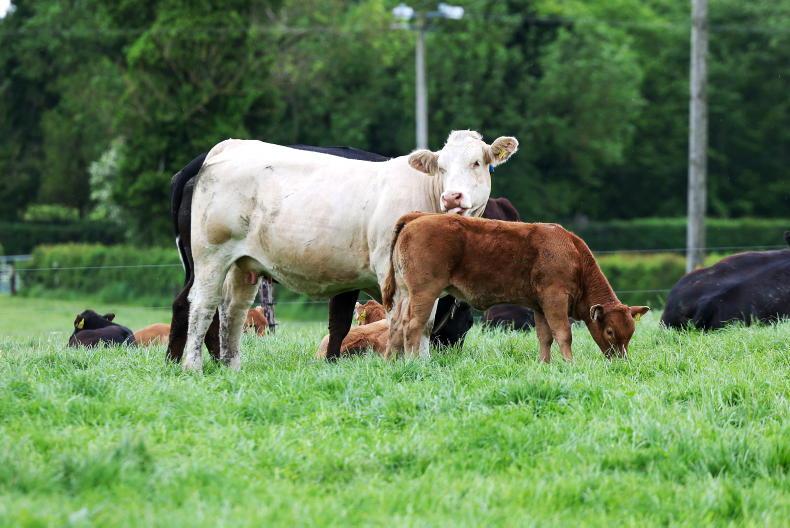
Keep an eye on youngstock for signs of ill health with the change in the weather. \ Philip Doyle
ADVERTISEMENT
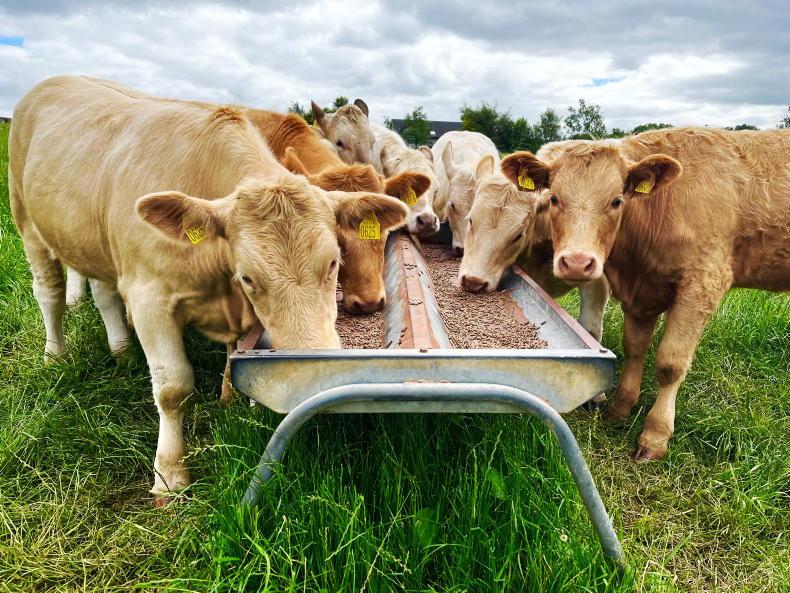
Anyone that was hoping to extend the grazing of youngstock into December has had to rewrite the plans, due to all the rain that has fallen in the last two weeks.
Up to now, the weather was warmer than normal but this is set to change over the coming days as temperatures turn colder and more normal for the time of year.
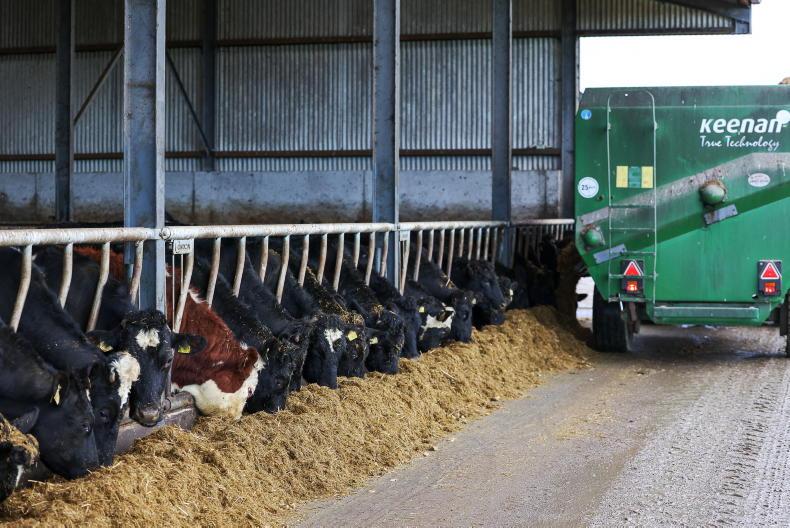
Housing animals when weather is wet and warm is a recipe for disaster, as this can reduce the airflow through sheds leading to stuffy conditions.
ADVERTISEMENT
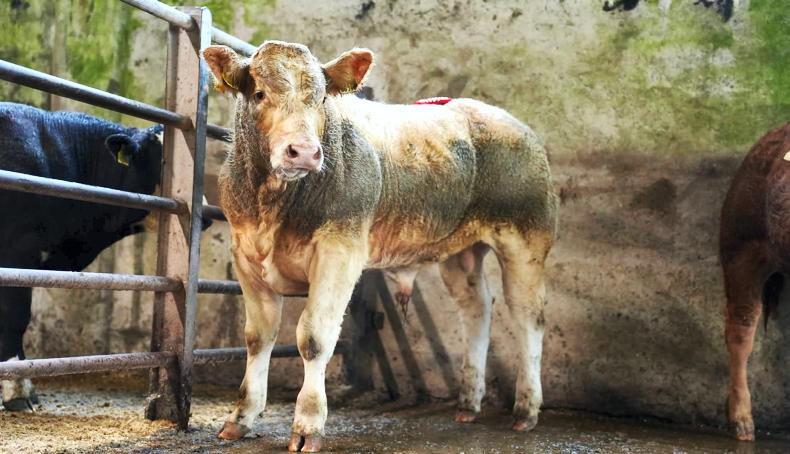
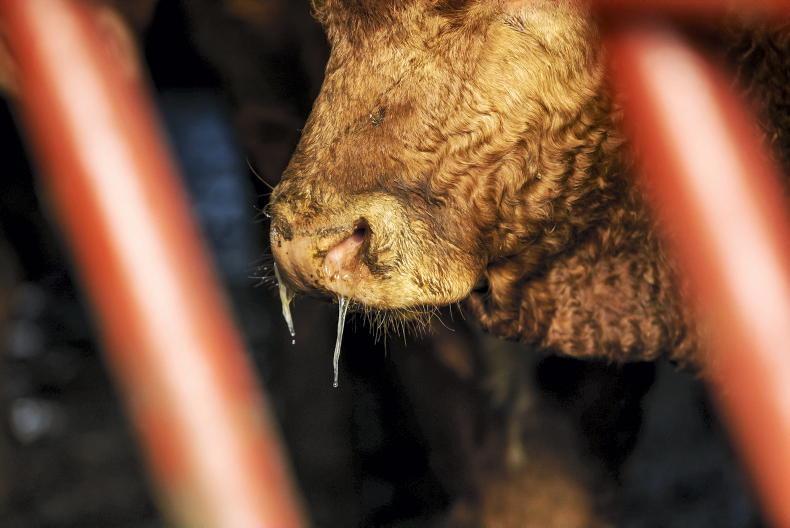
Viral diseases like pneumonia and other respiratory diseases thrive in such conditions and can make young stock very sick very quickly.
There are increased reports of animals sick from respiratory conditions over the last week. Monitoring and early treatment is essential.
Even animals out grazing need to be monitored, especially when the weather changes.
Remove sick animals from the group and put them on a straw bedded pen away from other stock. Preventative vaccines against IBR and RSV PI3 are available which offer good protection.
Most farmers are feeding calves 1.5kg to 2kg of meal per head per day and unless they are way above target weight they will need this level of meal feeding over the winter as silage alone won’t deliver the required weight gain.
Register for free to read this story and our free stories.
This content is available to digital subscribers and loyalty code users only. Sign in to your account, use the code or subscribe to get unlimited access.
However, if you would like to share the information in this article, you may use the headline, summary and link below:
Title: Dairy management: Watch out for pneumonia in weanlings
The change in temperatures coinciding with housing of weanlings and dairy replacement heifers has lead to increased reports of respiratory problems writes Aidan Brennan.
The reader loyalty code gives you full access to the site from when you enter it until the following Wednesday at 9pm. Find your unique code on the back page of Irish Country Living every week.
CODE ACCEPTED
You have full access to the site until next Wednesday at 9pm.
CODE NOT VALID
Please try again or contact support.
Anyone that was hoping to extend the grazing of youngstock into December has had to rewrite the plans, due to all the rain that has fallen in the last two weeks.
Up to now, the weather was warmer than normal but this is set to change over the coming days as temperatures turn colder and more normal for the time of year.
Housing animals when weather is wet and warm is a recipe for disaster, as this can reduce the airflow through sheds leading to stuffy conditions.
Viral diseases like pneumonia and other respiratory diseases thrive in such conditions and can make young stock very sick very quickly.
There are increased reports of animals sick from respiratory conditions over the last week. Monitoring and early treatment is essential.
Even animals out grazing need to be monitored, especially when the weather changes.
Remove sick animals from the group and put them on a straw bedded pen away from other stock. Preventative vaccines against IBR and RSV PI3 are available which offer good protection.
Most farmers are feeding calves 1.5kg to 2kg of meal per head per day and unless they are way above target weight they will need this level of meal feeding over the winter as silage alone won’t deliver the required weight gain.
If you would like to speak to a member of our team, please call us on 01-4199525.
Link sent to your email address
We have sent an email to your address. Please click on the link in this email to reset your password. If you can't find it in your inbox, please check your spam folder. If you can't find the email, please call us on 01-4199525.
ENTER YOUR LOYALTY CODE:
The reader loyalty code gives you full access to the site from when you enter it until the following Wednesday at 9pm. Find your unique code on the back page of Irish Country Living every week.
SHARING OPTIONS