



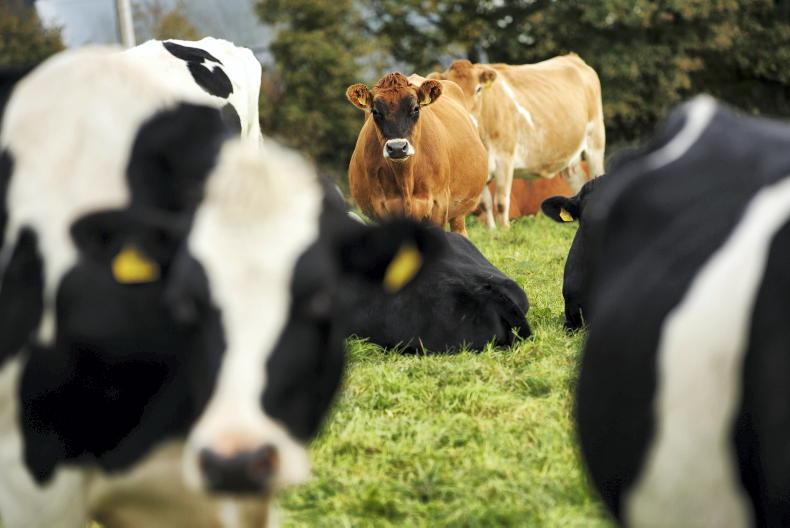
The 6,000-plus derogation farmers across the country would be left scrambling to secure a combined 112,000ha of leased land if the State’s bid to secure another derogation failed and farmers sought to keep cow numbers stable.
That is according to a new report from Teagasc, which was tasked by Minister for Agriculture Martin Heydon with carrying out a range modelling exercises to support Ireland’s application for a post-2025 nitrates derogation.
The report - assessing the cost of the various compliance options farmers could chose if faced with a reduction in maximum stocking rates to 170kg organic N/ha - found that going down the compliance route of maintaining numbers but increasing land base would see the average farm in derogation requiring 15ha.
This represents a rise of 23% on current land areas farmed by those who would be affected by such a scrapping of the 220kg N/ha limit.
Just under three-quarters of derogation farmers would require additional lands below 10ha under the stable cow number derogation loss scenario, another 11% would need 10ha to 20ha and 17% would need more than 20ha.
The report stated that the cost of this additional land would be €10,928 for the average-sized derogation farmer per year, based on cow numbers and farm area data from the 2021-2023 national farm surveys.
It found that this could slash dairy farm incomes by around 15%, based off income figures for the same period.
However, Teagasc said that while its report attempts to put an economic cost on the additional land option, land availability is “uncertain and varies regionally”.
It stated that there would also be “negative impacts on other sectors depending on additional rented land”.
Cutting cows or exporting slurry
The report assessed a reduction in cow numbers as another option farmers could consider to comply with a lowering of maximum stocking rates.
The average derogation dairy herd of 116 cows would need to cut 27 cows from the milking herd at a cost of €43,555 in lost income if it were to comply with a drop to a non-derogation stocking rate.
This would see 203,000 cows removed from the national herd, representing a 1.2bn-litre fall in the sector’s milk output per year, Teagasc’s figures show.
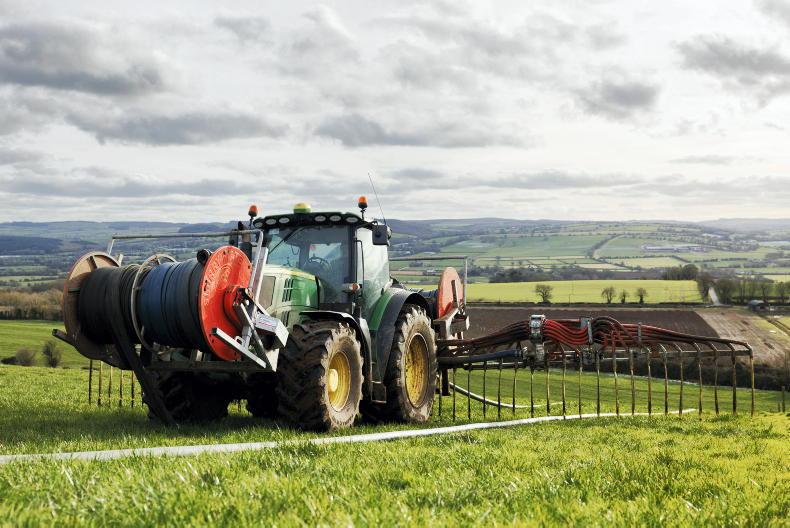
Exporting slurry to comply with a non-derogation stocking rate would see an average of 94 slurry tankers having to leave the country’s 6,600 derogation farms to be spread on lands farmed by those willing to take the slurry in.
The cost of exporting this volume of slurry – around two-thirds of the slurry produced on the modelled dairy farms – would reduce farm income by over €18,800.



SHARING OPTIONS