



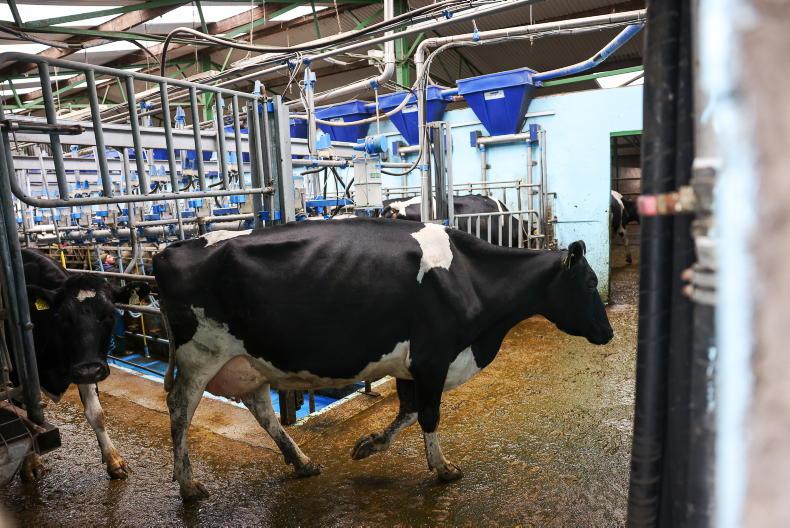
Lakeland Dairies is currently processing north of two billion litres of milk each year, taking milk from over 3,200 farmers across 17 different counties.
This makes the dairy the second largest milk processor on the island of Ireland.
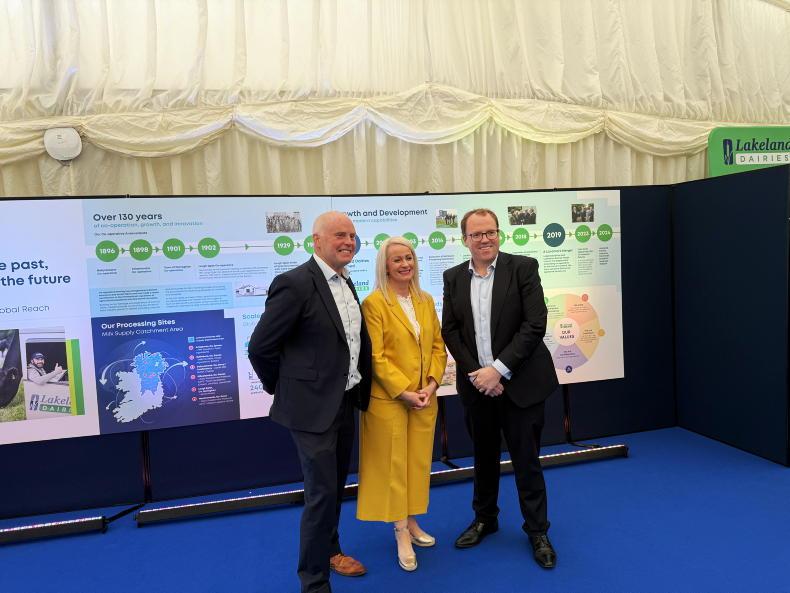
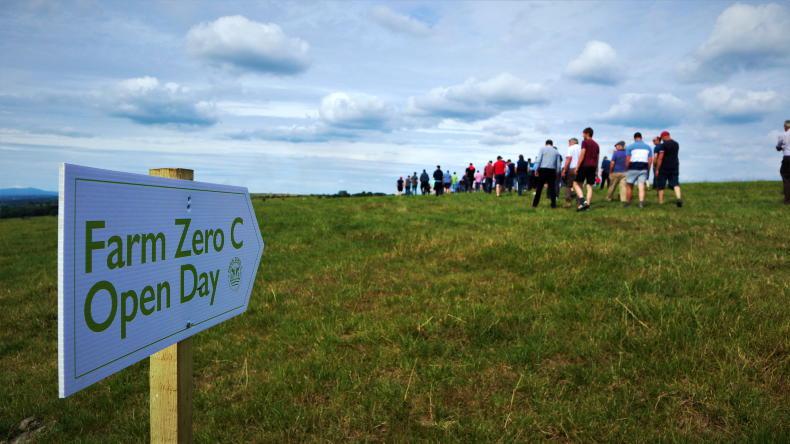
The co-op recently held an open day at its Bailieborough site, to give suppliers, industry stakeholders and the local community a look inside what is the largest dairy powder processing site in Europe.
Over 50% of Lakelands annual milk supply is processed in the Bailieborough plant, which is home to 331 staff and has been in operation since 2002.
The milk pool for this particular facility is split 50:50 between the Republic of Ireland and Northern Ireland, with the ability to process the two intakes separately.
The primary products produced by Lakeland on the Bailieborough site are milk powder and butter.
Investment
The Bailieborough site has undergone major development over the last 20 years, with a new milk intake facility the latest investment.
The facility costing €14.4m has just been completed and has boosted the daily capacity to 5.9 million litres of milk.
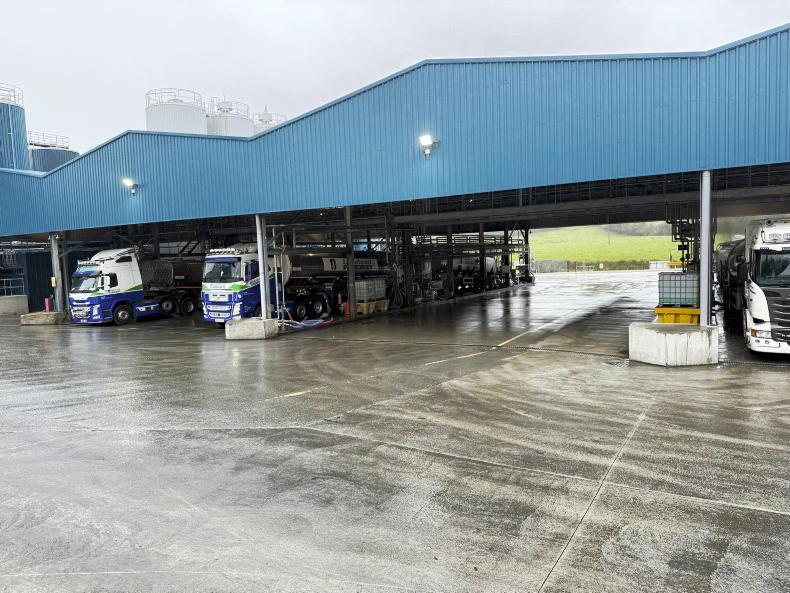
The investment included several new milk tanker bays, a clean-in-place system for washing bulk tankers and five new milk storage silos with a capacity of 330,000 litres per silo.
This new system has improved the flow of milk into the plant, with a single tanker holding 28,000 litres now capable of being in and out of the facility in just 16 minutes. There are between 130-140 of these tanker loads of milk entering the site every day.
The peak milk intake for 2025 occurred on the 21 June this year with a total milk intake of 4.43 million litres on that day, according to Lakeland CEO Colin Kelly.
With half of Lakeland Dairies Bailieborough milk supply coming from herds in Northern Ireland, the milk intake peak for the facility is not as extreme as some of the other co-ops in the south.
The all-year-round calving pattern in the majority of these herds in the north allows for a flatter production curve and more consistent supply throughout the year.
Milk powder
Approximately 130,000 tonnes of milk powder are produced at the Bailieborough site every year.
The manufacturing process involves drying the milk into powder form and removing impurities to produce a safe product with a long shelf life.
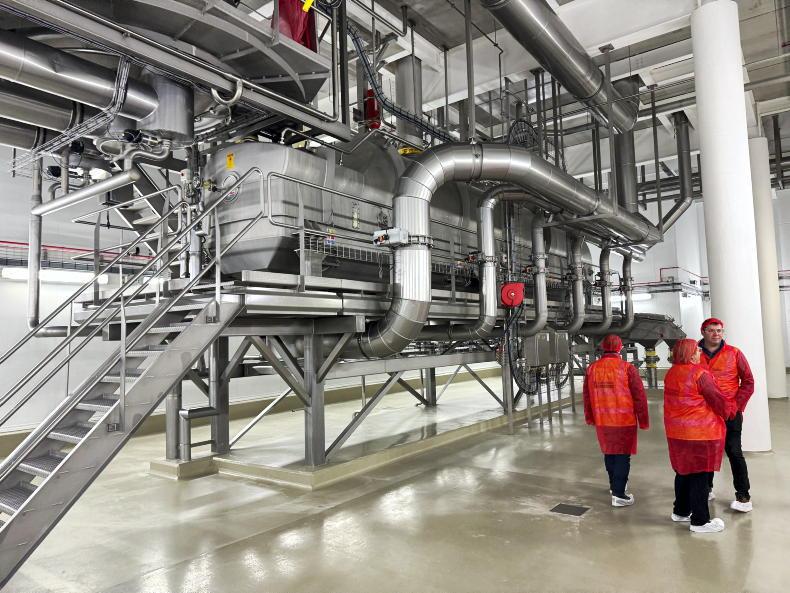
There are three spray dryers on site which work around the clock to provide a continuous flow of product. The milk is dried at an intensive heat to reduce the moisture content of the powder to 3.5%.
Each batch of powder is tested in line with health standards before being automatically packaged. The spray dryers have the capacity to dry 22 tonnes of milk powder every hour.
These powders are then sold across the world to the likes of mainland Europe, Asia and North Africa where they are used to produce milk-based products for human consumption.
Butter
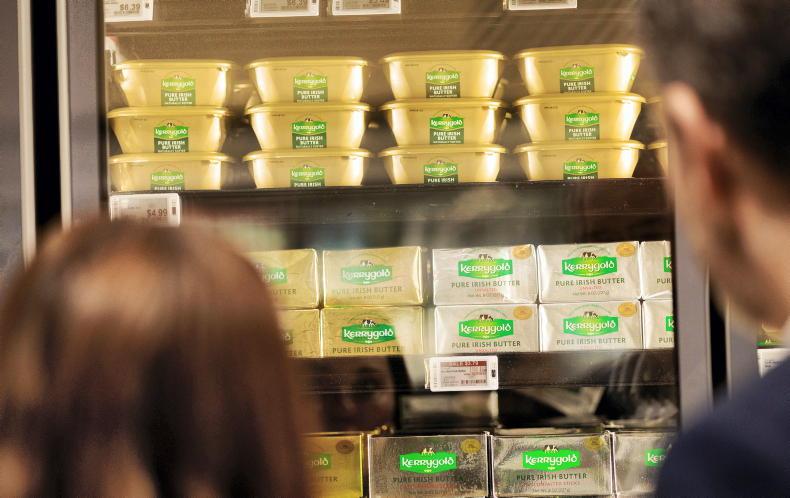
As well as milk powder, the plant produces approximately 55,000 tonnes of butter of different varieties annually. The process begins with separating fresh milk into its cream and milk components.
In simple terms, this cream is then pasteurised before entering into one of the two butter churns on site. The cream is churned to separate the solid fat molecules from the buttermilk.
These churns are automatically operated at high speeds with a huge capacity and a far cry from the old butter churns the everyday household in Ireland operated 100 years ago.
Once the solid fraction is separated out, the product is kneaded into shape in another machine to form the butter product.
There are several varieties of butter produced by Lakeland such as salted, unsalted, spreadable and lactic-flavoured butter. Each type of butter will go through a slightly different manufacturing process.
This butter is then exported across the world or sold in Ireland to various supermarket stores like Tesco, SuperValu and Dunnes to supply their own brand labels.
Milk Price
The mood was upbeat on the day, with suppliers and stakeholders in good form on the back of what’s been an excellent year for farming in the region. A day like this can go a long way in developing positive member relations but ultimately the milk price will determine a lot of the farmer’s humour.

There was a notable hint of nervousness among some suppliers as they wait to see what comes of the scheduled board meeting this Friday.
The milk price for September is due to be set at the meeting with a drop in price an inevitability. The real worry among farmers for the next few months is how big a drop there might be.



SHARING OPTIONS