The European Commission outlook for the dairy sector anticipates a marginal lift in milk output out to 2035, where it had forecast a decline in last year's outlook for 2035.
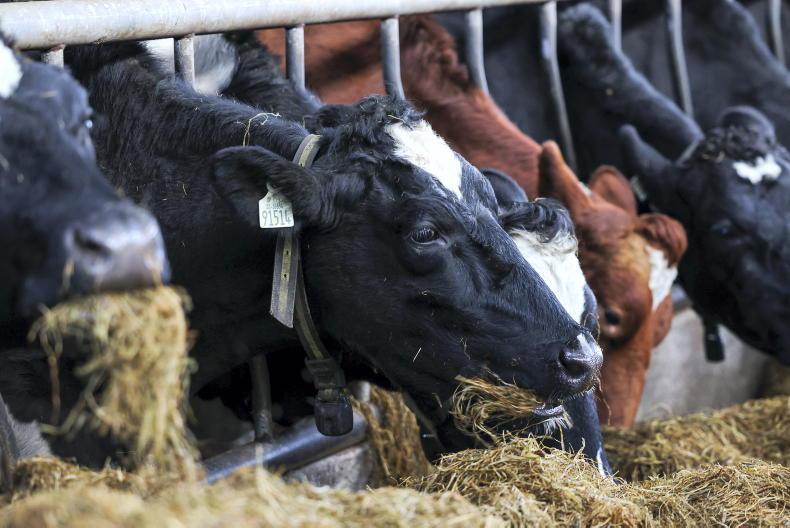
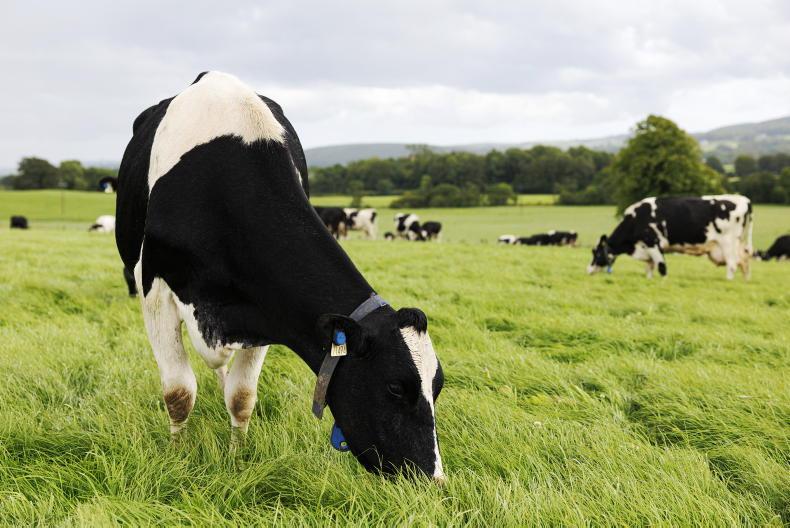
The EU's dairy cow numbers are expected to continue on a steady decline. \ Odhran Ducie
ADVERTISEMENT
Rising milk yields from shrinking dairy herds are expected to slow the EU’s milk output growth trend to a snail’s pace by 2035. The latest EU agricultural outlook report expects milk output growth to average just 0.1% per year out to 2035, which is equivalent to one-twentieth of the forecast global rate of milk output growth. The report foresees a 1.1% annual reduction in the EU’s dairy cow population over the next 10 years, which is the same rate it had been declining across the EU in the past decade.
This would leave 2m fewer cows in dairy herds in 2035 than there are now but report mentions that “stricter national environmental policies” in countries like Ireland or the Netherlands could leave a bigger gap.
A slowing of per cow yield gains to 1.2% per year, just over half of the past 10 years’ yield increases, will counter the slump in cow numbers and leave overall milk output increasing at a modest 0.1%.
ADVERTISEMENT
The equivalent report released one year ago foreseen a steeper decline in EU cow numbers leading to a net decline in dairy output at EU-level.
The latest outlook report signals a “favourable” supply-demand dynamic for dairy farmers out to 2035 amid a growing global appetite for dairy products, despite many importing regions’ renewed focus on increasing their own domestic capacity for food security reasons. It also warns that there will remain “significant uncertainty” on input cost movement over the coming decade and flags recent outbreaks of animal diseases like bluetongue as well as foot and mouth disease on the continent as threats that hang over its predictions.
Register for free to read this story and our free stories.
This content is available to digital subscribers and loyalty code users only. Sign in to your account, use the code or subscribe to get unlimited access.
However, if you would like to share the information in this article, you may use the headline, summary and link below:
Title: More optimistic outlook for EU dairy herd decline
The European Commission outlook for the dairy sector anticipates a marginal lift in milk output out to 2035, where it had forecast a decline in last year's outlook for 2035.
The reader loyalty code gives you full access to the site from when you enter it until the following Wednesday at 9pm. Find your unique code on the back page of Irish Country Living every week.
CODE ACCEPTED
You have full access to the site until next Wednesday at 9pm.
CODE NOT VALID
Please try again or contact support.
Rising milk yields from shrinking dairy herds are expected to slow the EU’s milk output growth trend to a snail’s pace by 2035. The latest EU agricultural outlook report expects milk output growth to average just 0.1% per year out to 2035, which is equivalent to one-twentieth of the forecast global rate of milk output growth. The report foresees a 1.1% annual reduction in the EU’s dairy cow population over the next 10 years, which is the same rate it had been declining across the EU in the past decade.
This would leave 2m fewer cows in dairy herds in 2035 than there are now but report mentions that “stricter national environmental policies” in countries like Ireland or the Netherlands could leave a bigger gap.
A slowing of per cow yield gains to 1.2% per year, just over half of the past 10 years’ yield increases, will counter the slump in cow numbers and leave overall milk output increasing at a modest 0.1%.
The equivalent report released one year ago foreseen a steeper decline in EU cow numbers leading to a net decline in dairy output at EU-level.
The latest outlook report signals a “favourable” supply-demand dynamic for dairy farmers out to 2035 amid a growing global appetite for dairy products, despite many importing regions’ renewed focus on increasing their own domestic capacity for food security reasons. It also warns that there will remain “significant uncertainty” on input cost movement over the coming decade and flags recent outbreaks of animal diseases like bluetongue as well as foot and mouth disease on the continent as threats that hang over its predictions.
If you would like to speak to a member of our team, please call us on 01-4199525.
Link sent to your email address
We have sent an email to your address. Please click on the link in this email to reset your password. If you can't find it in your inbox, please check your spam folder. If you can't find the email, please call us on 01-4199525.
ENTER YOUR LOYALTY CODE:
The reader loyalty code gives you full access to the site from when you enter it until the following Wednesday at 9pm. Find your unique code on the back page of Irish Country Living every week.
SHARING OPTIONS