Podcast: Dairy farmers based in New Zealand explain share milking
Ciarán and Sarah Tully moved to New Zealand from Manchester in the UK to start farming. They recently spoke to us about the share milking concept and why it could work in Ireland.
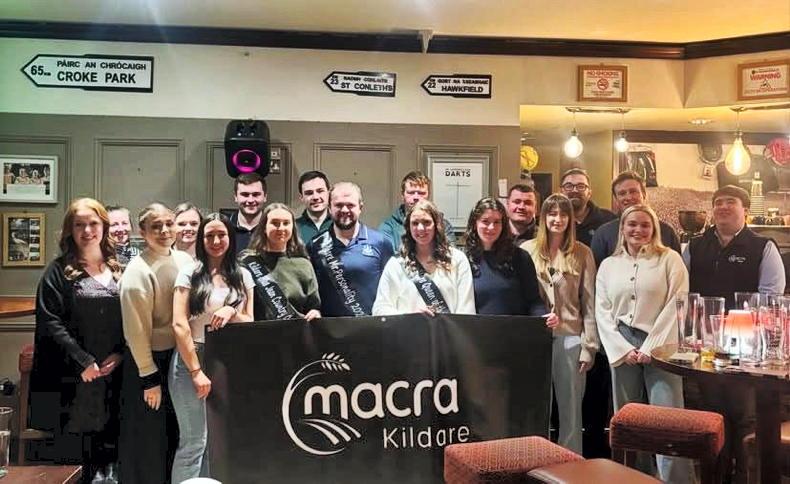
The couple were in Ireland for a share milking workshop hosted by Macra na Feirme's Land Mobility Service and Teagasc in Portlaoise, Co Laois.
The event was attended by around 30 farmers interested in share milking, which is now permitted in the post-quota era.
The Tullys explained their path to land ownership in New Zealand, from moving to the country with nothing in 1988 to managing farms. They have now acquired a 30% equity partnership on a farm in Ngatea in the north island and currently own 310 cows.
ADVERTISEMENT
They told farmers at the event that sharemilking is not easy and agreements must "deliver for all". However, some arrangements can be hugely rewarding for both parties and provides young farmers with a step on the ladder.
Speaking to the Irish Farmers Journal, Ciarán and Sarah discuss the benefits and challenges of share milking with Teagasc's Paidi Kelly.
What is share milking?
Where two or more people come together to dairy farm the same piece of land. One of these people is usually the land owner.
The land owner provides the land and facilities.
The share milker supplies the labour and management drive.
Ideal share milker farm
Established dairy farmer who is looking to step back.
Dairy farmers undertaking expansion and/or an additional unit.
Non or ex-dairy farmers with equity getting into or back into milk.
Ideal share milker profile
Farm managers, assistant farm managers or herd persons.
Young trained farmers with no or insufficient land or their own.
Farmers' sons or daughters who will not be taking over the family farm.
Farmers who will be taking over, but not for a number of years.
Irish peoiple who worked on dairy farms in other countries.
Information provided by Macra na Feirme's Land Mobility Service
Register for free to read this story and our free stories.
This content is available to digital subscribers and loyalty code users only. Sign in to your account, use the code or subscribe to get unlimited access.
The reader loyalty code gives you full access to the site from when you enter it until the following Wednesday at 9pm. Find your unique code on the back page of Irish Country Living every week.
CODE ACCEPTED
You have full access to the site until next Wednesday at 9pm.
CODE NOT VALID
Please try again or contact support.
The couple were in Ireland for a share milking workshop hosted by Macra na Feirme's Land Mobility Service and Teagasc in Portlaoise, Co Laois.
The event was attended by around 30 farmers interested in share milking, which is now permitted in the post-quota era.
The Tullys explained their path to land ownership in New Zealand, from moving to the country with nothing in 1988 to managing farms. They have now acquired a 30% equity partnership on a farm in Ngatea in the north island and currently own 310 cows.
They told farmers at the event that sharemilking is not easy and agreements must "deliver for all". However, some arrangements can be hugely rewarding for both parties and provides young farmers with a step on the ladder.
Speaking to the Irish Farmers Journal, Ciarán and Sarah discuss the benefits and challenges of share milking with Teagasc's Paidi Kelly.
What is share milking?
Where two or more people come together to dairy farm the same piece of land. One of these people is usually the land owner.
The land owner provides the land and facilities.
The share milker supplies the labour and management drive.
Ideal share milker farm
Established dairy farmer who is looking to step back.
Dairy farmers undertaking expansion and/or an additional unit.
Non or ex-dairy farmers with equity getting into or back into milk.
Ideal share milker profile
Farm managers, assistant farm managers or herd persons.
Young trained farmers with no or insufficient land or their own.
Farmers' sons or daughters who will not be taking over the family farm.
Farmers who will be taking over, but not for a number of years.
Irish peoiple who worked on dairy farms in other countries.
Information provided by Macra na Feirme's Land Mobility Service
If you would like to speak to a member of our team, please call us on 01-4199525.
Link sent to your email address
We have sent an email to your address. Please click on the link in this email to reset your password. If you can't find it in your inbox, please check your spam folder. If you can't find the email, please call us on 01-4199525.
ENTER YOUR LOYALTY CODE:
The reader loyalty code gives you full access to the site from when you enter it until the following Wednesday at 9pm. Find your unique code on the back page of Irish Country Living every week.





SHARING OPTIONS