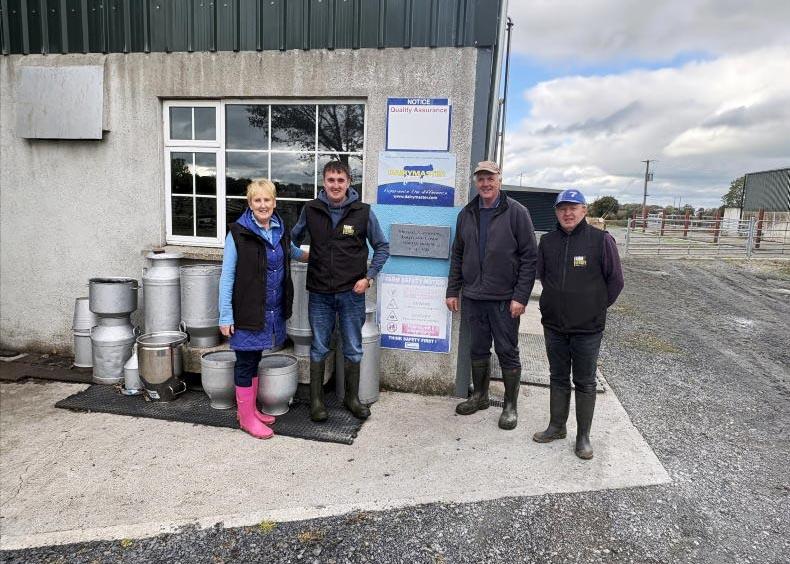
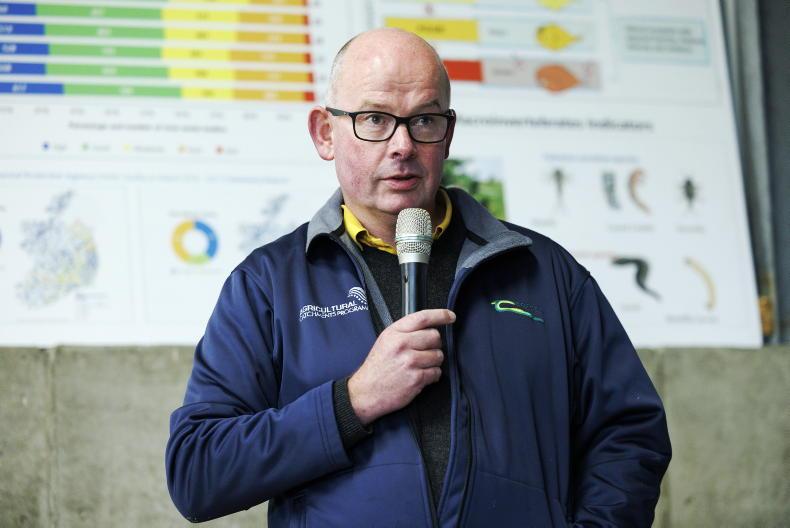
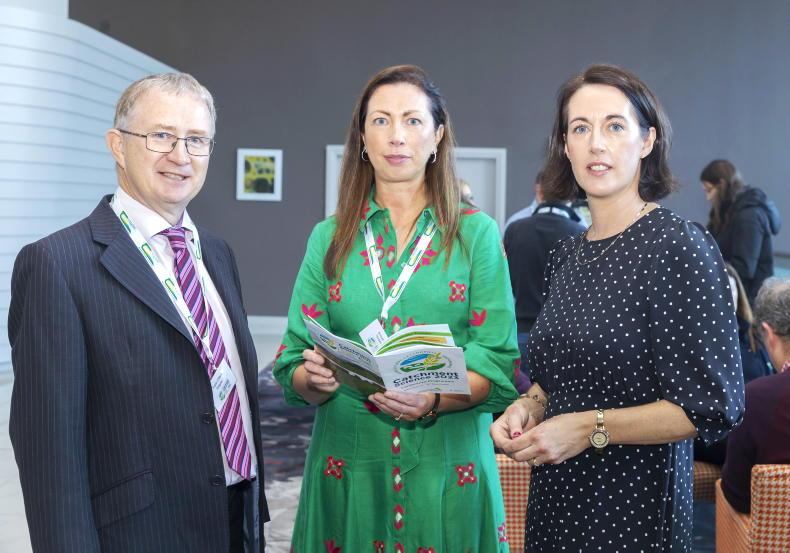
The Agricultural Catchments Programme recently held an open day in its Timoleague catchment in collaboration with the Teagasc Better Farming for Water Campaign Bandon-Ilen Catchment of Concern.
The Bandon-llen catchment is 1,800 km2 and is divided into 17 sub-catchments and has 87 river bodies in which Timoleague is located, thus it is a well-placed study catchment, with similar soil type and dairy land use for applying programme insights to the wider Bandon-Ilen and Lee catchments.
The aim of the event was to inform farmers, advisers and industry representatives of relevant research that can be actioned on farms.
Topics of focus included soil test phosphorus and importance of organic manure loading and distribution, nitrogen loading and N balance within farm, water quality trends – influence of climate and the reasons for the closed period, river ecology and importance of bank side management.
Soil fertility and nutrient management
Within the Timoleague catchment the average soil P concentration has increased since the beginning of the four yearly sampling which began in 2009.
However, within this there are 18% of fields below agronomic optimum and in contrast, those in index four have increased by 16% since 2009.
Thus, distribution of organic manure within farmed areas continues to need more focus.
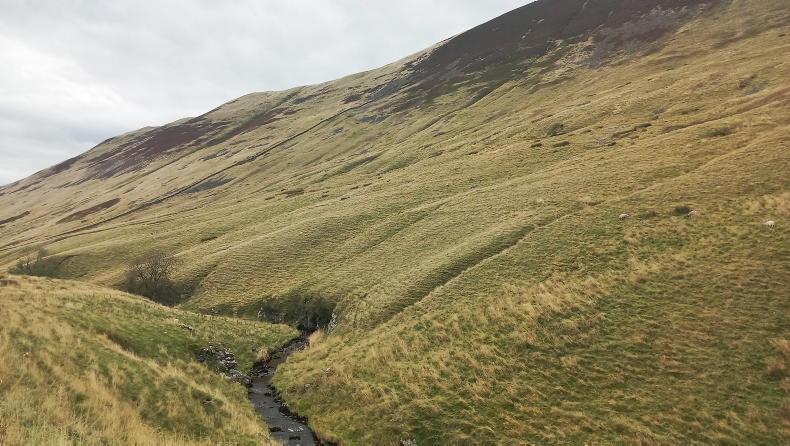
To compound the issue of P hotspots within the catchment, where those fields overlay a critical source area it becomes hydrologically connected (P can flow with water over land) to the local water course.
Nutrient balances
Recent research from the ACP and NFS show that that derogation farms, despite higher organic N stocking rates, achieve farm gate Nitrogen Use Efficiency (NUE) comparable to non-derogation farms, reflecting effective N management at higher intensities.
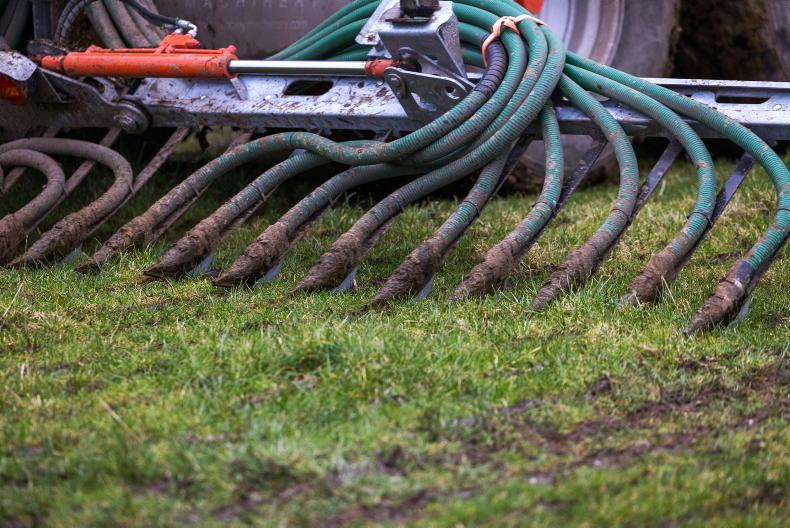
Reducing total N inputs, lowering N in concentrate feed, adopting low emission slurry spreading, and using protected urea all improve farm gate NUE, with more productive soils further enhance efficiency.
However, farm gate NUE or N balance can mask variation at farm scale where we have found nitrogen balance (kg N/ha) to vary from -18 to 203 kg N/ha in a case study farm.
So again, nutrient distribution especially through available organic manures across farmed grassland is really important.
Water quality trends and the closed period
Nitrogen concentrations in our rivers have an annual cycle, usually at its lowest sometime in September and reaches a peak in mid-winter.
This year is no different and in two grassland catchments, the N concentrations are just beginning to increase from a low of zero during the third week of September in Ballycanew and 3 mg/l in Timoleague in mid-August.
This seasonality is the main reason for the fertiliser and organic manure closed period, and is a result of soils getting wetter, water tables getting higher and declining growth rates.
On average over the full year, Ballycanew and Timoleague lose 14 and 45 kg of N per hectare to the river, but up to seven times more N leaves in the river in winter months than summer.
After the drought in 2018, all our catchments showed excessively high concentrations of N, including Ballycanew, which has typically very low nitrogen levels due to its heavy soils.
There is currently a lot of interest to see if high N losses like in 2018 are repeated this year.
Only time will tell, but we have learned a lot from previous droughts.
Much lower amounts of chemical N were applied this year, and the good grass and catch crop growth rates seen over the last six weeks has taken up a lot of soil nitrogen that could otherwise have been leached, should we have had torrential rain in the meantime.
Looking at the longer term back to 2010, despite increasing stocking rates there is no discernible trend in the concentration or total amount of N leaving either catchment.
River water quality – biology value
We are often asked what is the water quality like now in the catchments and are things getting any better? To answer this question, you have to be a bit more specific.
Do you want to know about the total amount of nitrogen leaving the catchment or is it the concentration of phosphorous that interests you? Perhaps it’s neither of these and you want to know what’s living in the river? Are there leeches and snails or trout and may fly? Also, is it water quality over the last few weeks because of the dry summer or a long-term trend since milk quota’s ceased that’s relevant?
Most of us are all too well familiar with the Nitrates Directive, but another European regulation, the Water Framework Directive (WFD) is likely to become a lot more familiar over the next couple of years.
The WFD seeks for all water to reach good or high status.
This includes groundwater, rivers, lakes, estuaries and the sea.
The biggest (>85%) reason for rivers to not reach this standard is it biology, or Q value. Nutrient concentration can impact this, but ACP research has shown bankside vegetation and sediment are much more likely to have an impact.
Where possible it is best to leave as much natural vegetation as possible grow alongside watercourses, including trees and herbaceous plants.
Many of the desirable species (mostly insects) require such a setting to complete their lifecycles, and keeping a buffer strip neat and trimmed may well be detrimental for overall water quality.
EIP in action and ACP monitoring
In recent years the catchment farmers have been able to avail of Farming for Water EIP funding to implement measures on farm.
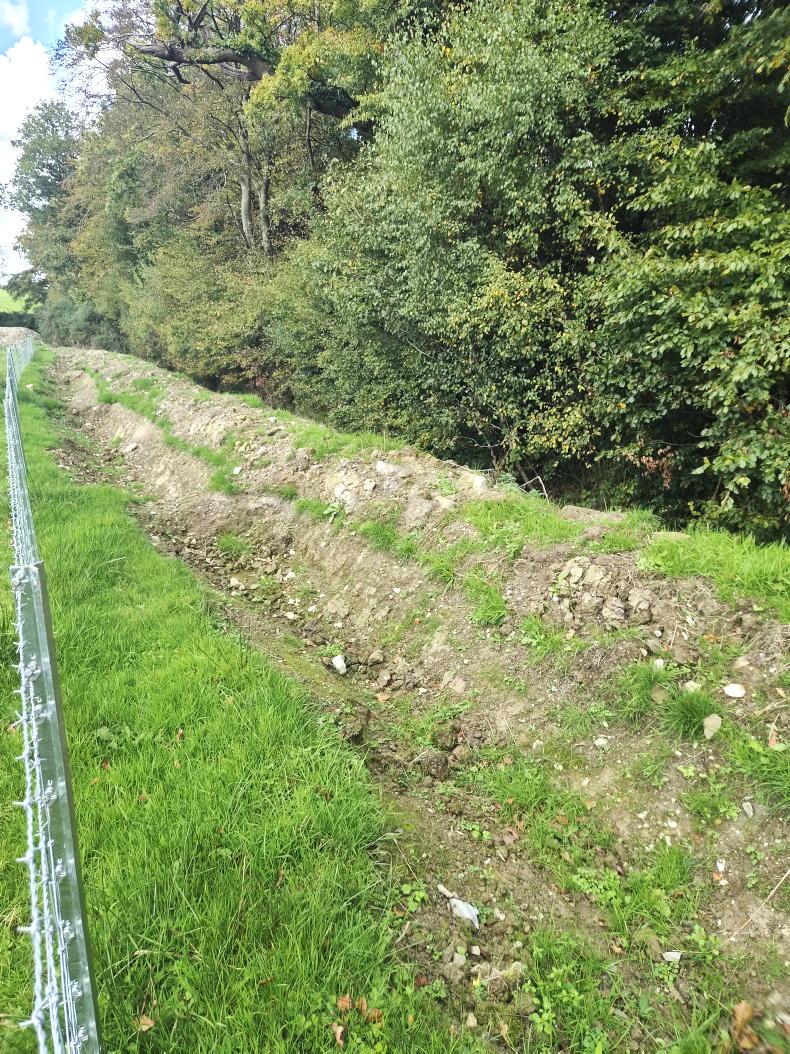
These measures range from source control measures like cover crops, largely in the Castledockrell catchment to larger pathway interception measures (that are aimed to stop over land flow of nutrients especially phosphorus from farmyards, roadways and critical source areas) such as Swales, Earthen Bunds, Small Ponds, Willow Filter Beds and Hedgerows.
The ACP will monitor the effectiveness of these measures.
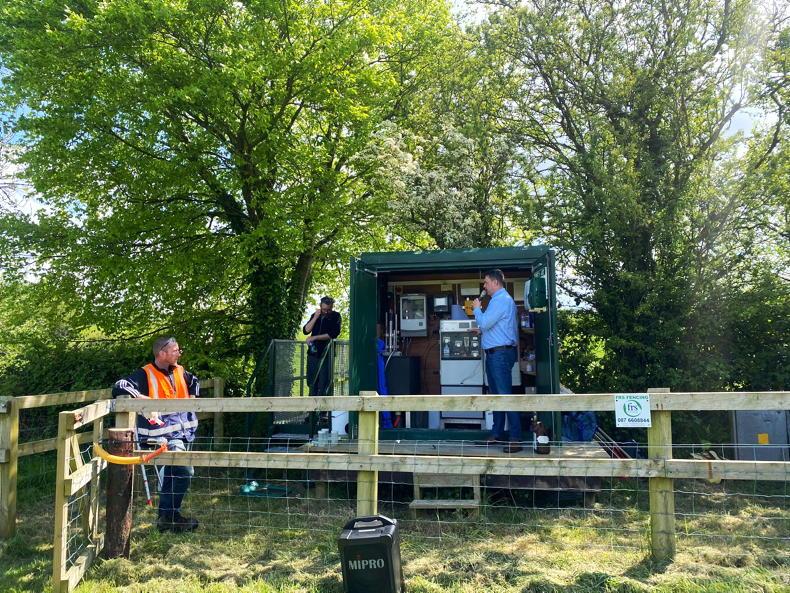
At the recent Timoleague Open Day attendees got to see a recently dug out Willow Filter Bed on a dairy milking platform that will capture farmyard, farm roadway and public road phosphorus and sediment.
In short: