




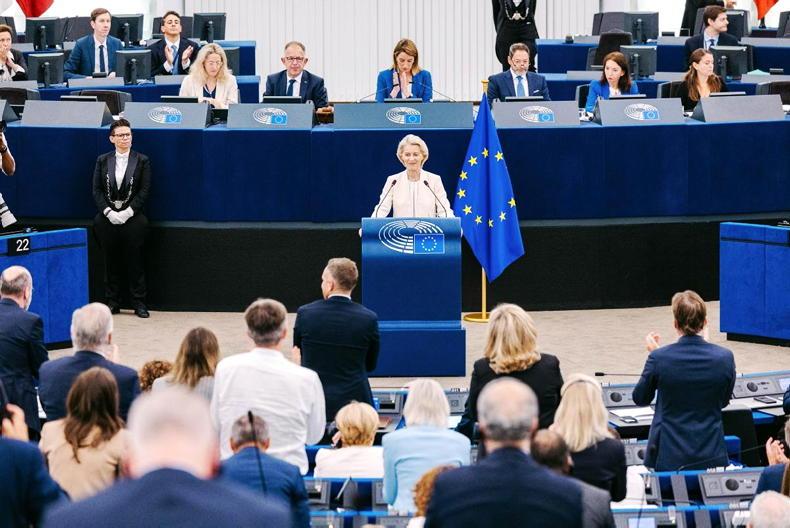
A damaging assessment of Ireland’s performance on protecting vulnerable animal species and habitats has been delivered by the EU’s advocate general Tamara Capeta.
In an opinion delivered recently, the advocate general maintained that Ireland had failed to fulfill its obligations on the conservation of natural habitats and of wild fauna and flora.
Capeta’s findings were delivered as part of an ongoing European Court of Justice (ECJ) case involving the European Commission and Ireland.
Neglecting
The Commission has accused Ireland of infringing the habitats directive by failing to designate close to 200 sites as special areas of conservation (SACs), neglecting to set site-specific detailed conservation objectives for close to 140 sites and failing to establish the necessary conservation measures for more than 420 sites.
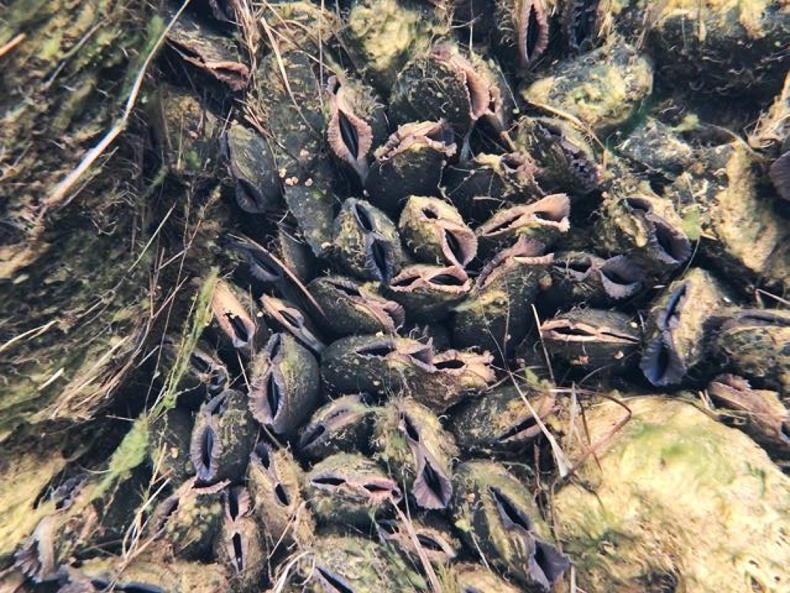
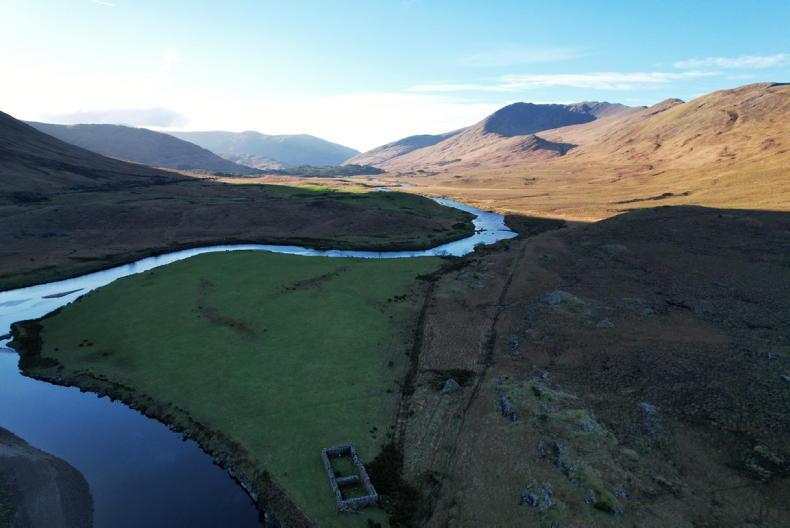
These sites include areas of blanket bog, rivers with freshwater pearl mussel populations, coastal lagoons and dune systems and native woodlands.
Ireland has requested that the ECJ dismisses the Commission’s action in its entirety as unfounded.
However, Capeta’s opinion strongly supports the Commission’s case and seriously damages Ireland’s defence.
“I propose that the Court declare that Ireland has failed to fulfill its obligations under Article 6(1) of Council Directive 92/43/EEC of 21 May 1992 on the conservation of natural habitats and of wild fauna and flora, by failing to establish the necessary conservation measures which correspond to the ecological requirements of the natural habitat types in Annex I to that directive and the species in Annex II thereto present on the sites,” the advocate general’s opinion stated.
“I consider that the Commission has sufficiently demonstrated that Ireland has failed to fulfill its obligations to establish the necessary conservation measures within the meaning of Article 6(1) of the habitats directive in a general and persistent manner,” she added.
'Not sufficiently detailed'
Capeta claimed the conservation measures established by Ireland were “not sufficiently detailed” and did “not address all of the threats and pressures for the habitats and species on each site”.
Article 6 of the habitats directive provides a strict assessment procedure for any plan or project which has the potential to have implications for the site and its conservation objectives.
While the advocate general's opinion is not binding for the ECJ nor for the courts in member states, its conclusions are often taken into consideration and are generally indicative of the ruling by the ECJ.




SHARING OPTIONS