



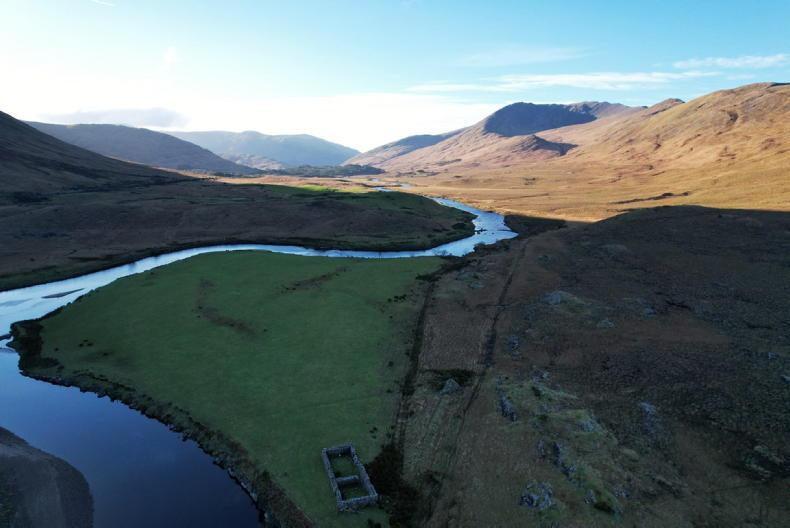
The Department of Agriculture has released 46 catchment overview reports, one for each river catchment identified nationally under the water framework directive.
Under the water framework directive, all water bodies, with some minor exceptions, must reach “at least good ecological status” by 2027.
Currently, just over half (52%) of our surface waters are in “at least good ecological status”.
What is a catchment overview report?
Ireland’s nitrates derogation was secured in December 2025 for another three years until 2028, subject to additional conditions. Around 7,000 farmers avail of the derogation annually, allowing them to farm at higher stocking rates
In line with European law, Ireland must assess the impact of granting the derogation with respect to the objectives of the habitats directive and the water framework directive.
The assessments must be completed by 2028 at the latest.
What information will the reports provide?
They are not assessments and simply provide the best currently available information relating to ecology, water, soil and agriculture at each of the 46 catchments.
Why do derogation farmers have to be compliant with the habitats directive?
Any plan or project likely to have a significant effect on a designated site, such as habitats and/or species, must be subject to appropriate assessment of its implications for the site, the habitats directive states.
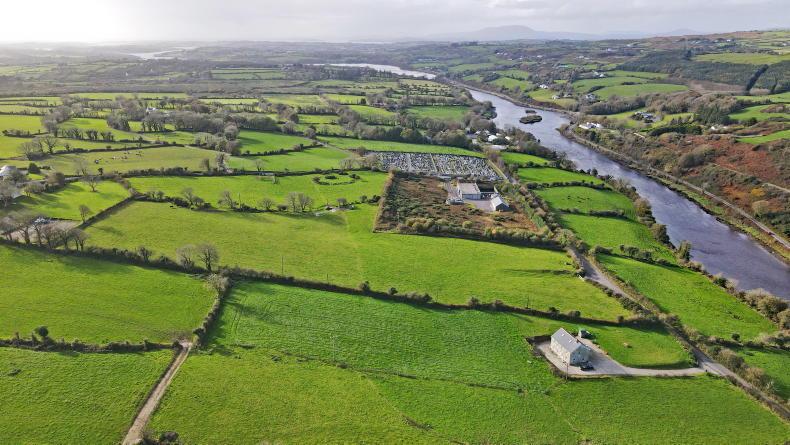
The granting of individual nitrates derogations by the Department is considered a ‘project’ and is therefore subject to the appropriate assessment requirements of the habitats directive.
What is appropriate assessment?
Appropriate assessment is a detailed impact assessment of the implications of the plan or project, on the integrity of Natura 2000 sites (ie designated sites), based on the best available scientific evidence and methods.
What does an assessment entail?
The assessment consists of a few stages.
The first stage is screening. This is where it is determined whether the project is likely to have a significant effect on a designated site in view of the site’s conservation objectives.
If it is found that the project will not have a significant effect, then the project can proceed.
If the project is found to likely have an effect (or if it is unclear what the effect might be), then the project must undergo a full appropriate assessment.
Why is the Department proposing a sub-catchment scale approach?
Screening and appropriate assessment can be undertaken at individual project scale or larger spatial scales.
Screening and assessments at a sub-catchment scale is the optimum approach, according to the Department, as it balances the need to conduct assessments at local scale with the need to avoid having to do individual farm-level assessments on approximately 7,000 farms.
What is a catchment and sub-catchment?
A water catchment is a drainage area where all surface water within the area drains to a common outlet, such as to a river, a lake, to the coast or to groundwater.
A water sub-catchment is a further subdivision of that catchment area with multiple individual water bodies and allows for monitoring and assessment of surface water quality at a more localised spatial scale.
There are 46 catchments in Ireland, which are further divided into 583 sub-catchments.
What will be considered in the assessment process?
The assessment process will be founded in the ‘source - pathway - receptor’ framework.
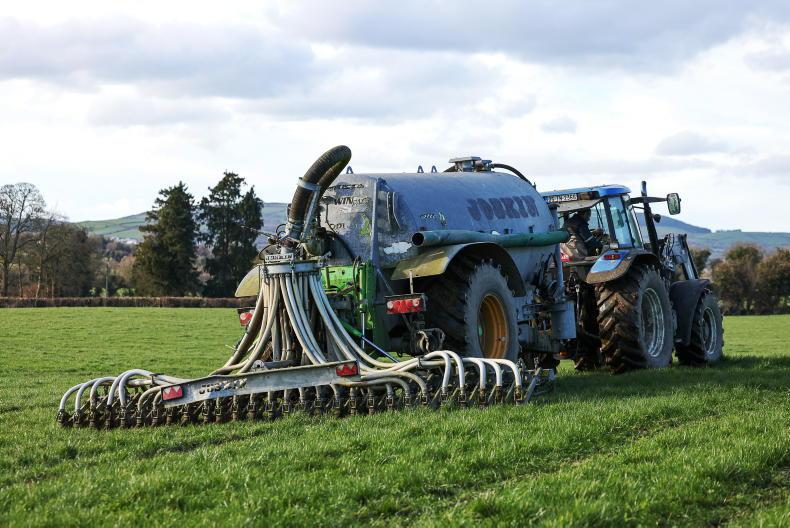
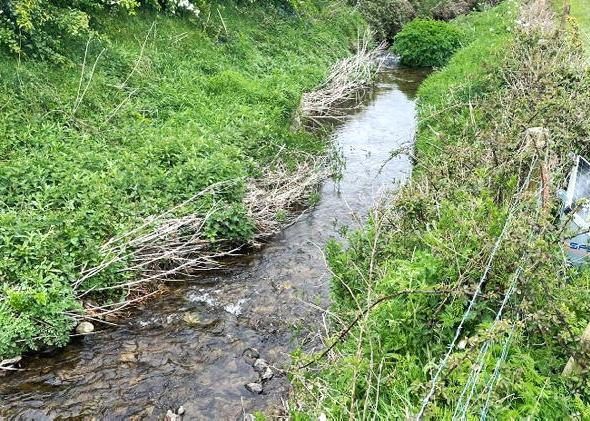
The source is the derogation farms. The pathway is based on hydrological connectivity (either surface or groundwater) or aerial connectivity, between source and receptor.
The receptor is the designated site (special area of conservation or special protection area) or water body.
Only where all three of these variables are present, can there be a risk to the designated site or water body from the point of view of derogation farming.
Who is going to pay for the assessment process and how will it be managed?
The Department will conduct sub-catchment scale assessments at no cost to farmers and a multi-disciplinary project team has been established to manage these.
How long will the process of appropriate assessment at sub-catchment scale take?
It is anticipated that the screening and appropriate assessment process will take until 2028.
What could mitigation look like?
The primary focus of risk mitigation measures would be to address the potential pressures associated with grazing (for sites directly impacted by derogation) and nutrients (both for sites impacted directly and indirectly by derogation).
Mitigation measures will focus on source-pathway-receptor approaches.


SHARING OPTIONS