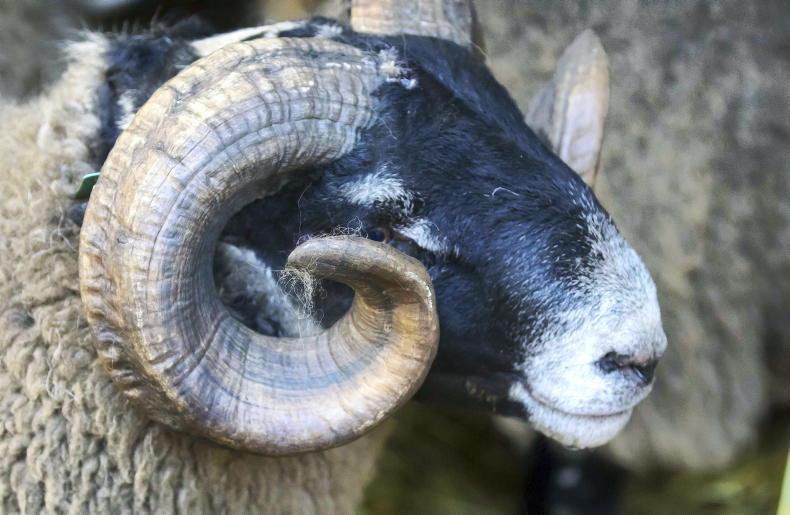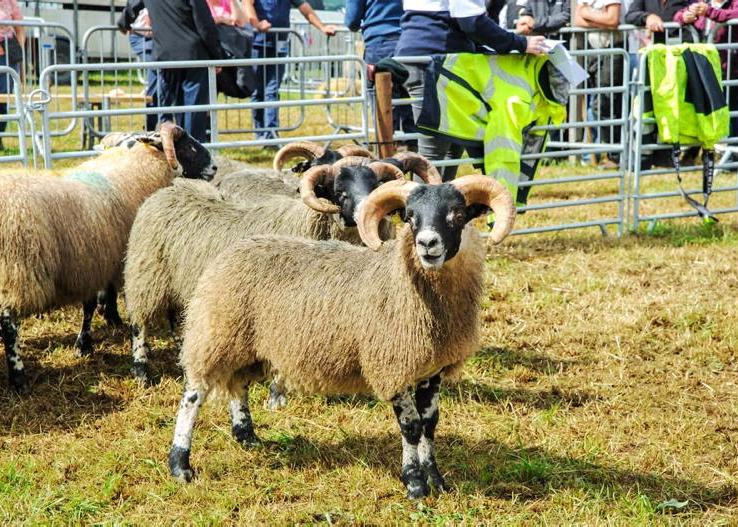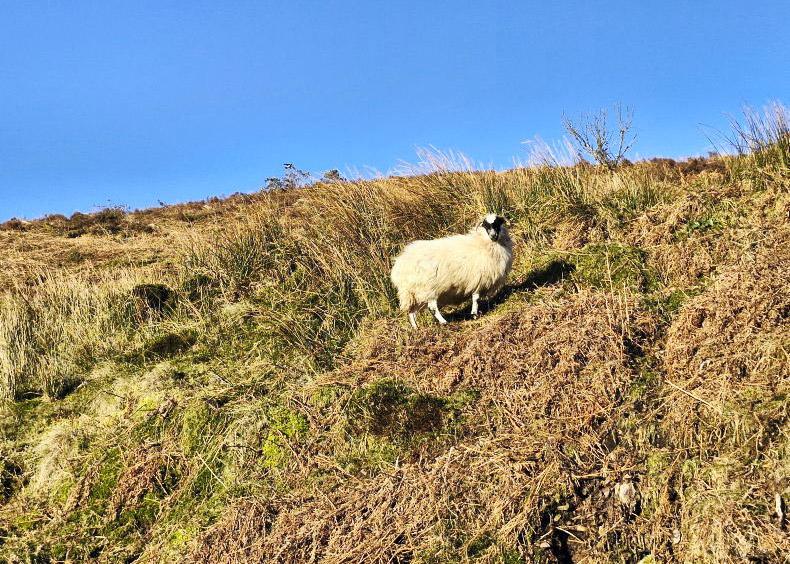
The recent purchase by Teagasc of a hill farm at Leenane, Co Galway will give a new focus on what our hill land should be used for. The issue is not straight forward. It is not that long ago when the hill ewes produced store lambs for fattening in the lowlands.
Lambing percentages were low and often lambs too small to make a reasonable price in the autumn returned to the hill to be sold as hogget wethers the following autumn.
The system was never very profitable but costs were low, off-farm employment was scarce in what were often isolated areas and sheep prices were, in real terms, much higher than today. In many cases, a small number of suckler cows added to family farm income.
The system could manage in the conditions of the time to sustain families but it was also environmentally benign with vegetation controlled by grazing linked with the capacity of the hill to maintain stable stock numbers.
But declining incomes and the obvious need for financial help brought in new policies to help what were designated as “severally disadvantaged areas”.
The introduction of an open-ended headage payment system was, in places, a disaster with clear examples of severe overgrazing.
The introduction of the concept of area-based payments subject to low stocking rate requirements has in places led to clear understocking with ungrazed vegetation.
But in today’s conditions, the whole subject of hill and upland areas has broadened out. Hills are now seen as having conditions that support biodiversity, carbon storage and can hugely influence water quality.
There is also a new dimension which has penetrated the consciousness on the European mainland, that uplands and rough grazing areas can provide a reservoir of highly flammable material when there is a hot dry summer. We saw that this summer with the prolonged fire on Slievenamon in Co Tipperary and much more dramatically in southern Europe.
Teagasc is right to renew looking at the income possibilities of conventional farming on the hills but also the broad environmental necessity of filling in the gaps that have become obvious over the last few years and coming up with recommendations on what support policies need to be put in place.