



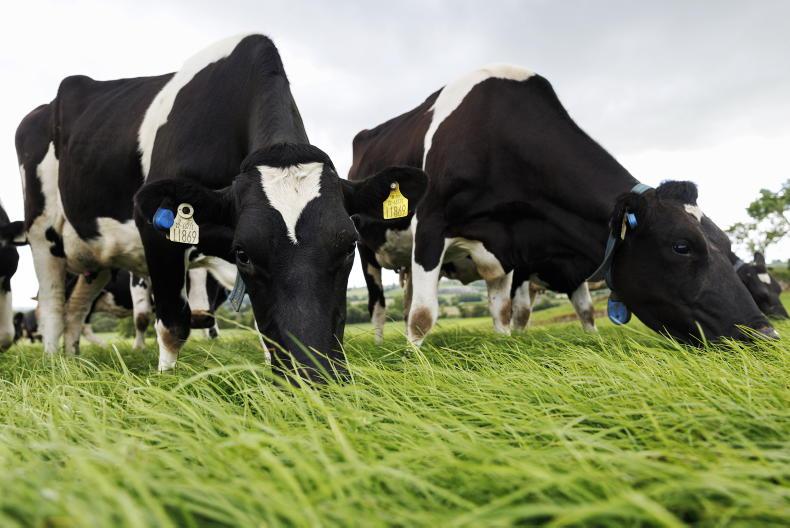
The summer drought has shown that Ireland’s grass-fed system may be fragile when it comes to extreme weather events, Ornua CEO Conor Galvin has said.
This year’s drought resulted in many dairy farmers feeding more grain and alternative feedstuff due to a lack of fresh grass.
“This year has shown that the grass-fed image is fragile and if we don’t have that, we have nothing,” he said.
Galvin told the Irish Farmers Journal that Ireland’s grass-fed reputation is what makes Irish dairy different.
He acknowledged that this uniqueness has been built over decades of hard work and investment by dairy farmers in conjunction with co-ops, industry partners, research partners, advisory services and government agencies.
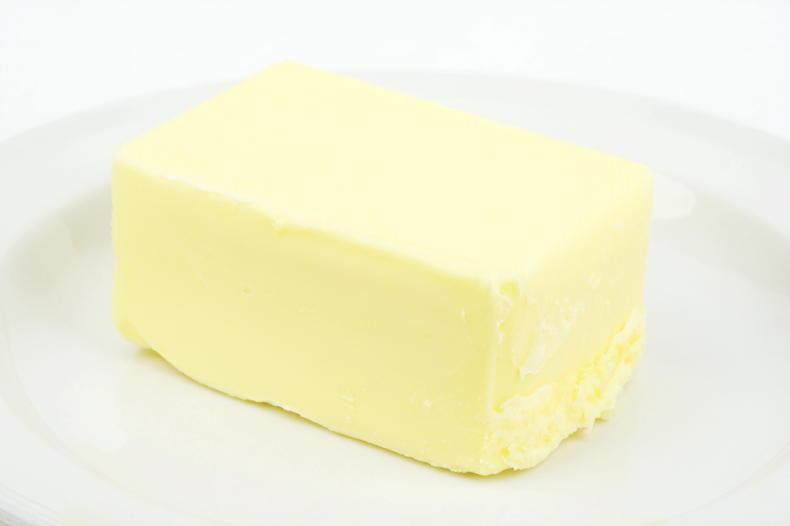
Each batch of Ornua’s Kerrygold butter is compared to a ‘grass-fed standard’ he explained for qualities such as softness, colour and fat profile among others to ensure it meets high-quality grass-fed standards.
This ensures the milk used is sourced from cows that consume a diet that is on average 95% grass-fed, according to Ornua.
However, climate change and changing weather patterns may put pressure on that image if they occur more frequently in future.
Building resilience
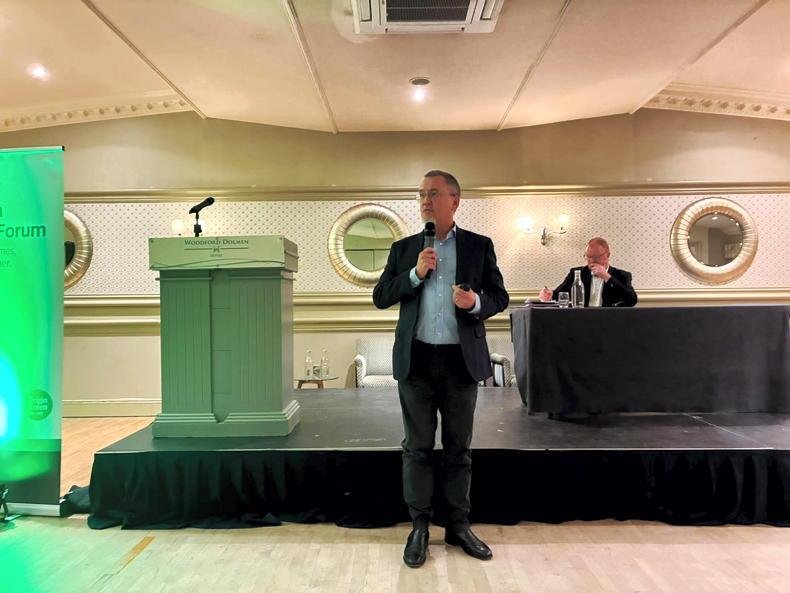
Speaking at an Irish Farmers' Association (IFA) dairy meeting in Enniscorthy, Co Wexford on Monday night, the Ornua CEO highlighted that the Irish dairy sector needs to build more resilience to handle unexpected weather events, including growing more grass for emergency fodder.
“The last few months have shown us that we do have to build resilience into that system and we have to protect the system that we have so that we can continue to get the premium out of the market and to service those markets that that are willing to pay for it.
“We also have to ensure that we're connecting up all of the agencies that are going to create the resilient model in the future.”
During the meeting, Galvin highlighted that the last 12 months has been “fairly turbulent” in terms of market returns.
“We've seen that as a trend now for the last five or six years, particularly since COVID, markets are moving much quicker than they had been.”
He said that it had been expected that supply in the latter part of this year would be affected by weather, particularly in Europe. However, this has not fully materialised, with supplies holding well in many regions.
El Niño
The El Niño weather phenomenon is expected to affect milk supplies in the Pacific region, which will track back to Europe in some way, according to Galvin.
He also highlighted that the US and New Zealand are still producing milk ahead of last year, concluding that global supply looks like it will remain strong.
On the demand side of things, Galvin said demand for quality and grass-fed dairy is strong, seen in recent cheese and skim milk powder prices.
The broader protein trend also continues to grow he noted, indicating that long-term demand is expected to also remain strong.
Price lift
In terms of a price lift, he said “your challenge is always the supply and demand”.
“What we need to see is a volume constraint. Where there's even a 1% imbalance between supply and demand, because for as long as buyers have some comfort around being able to access product, they're less likely to be aggressive on pricing.”
He also acknowledged that the increases in input costs caused by continued disruption in the Middle East is “affecting the entire value chain”.



SHARING OPTIONS