


Charles Clarke, Bailieborough, Co Cavan
Drying off the right decision
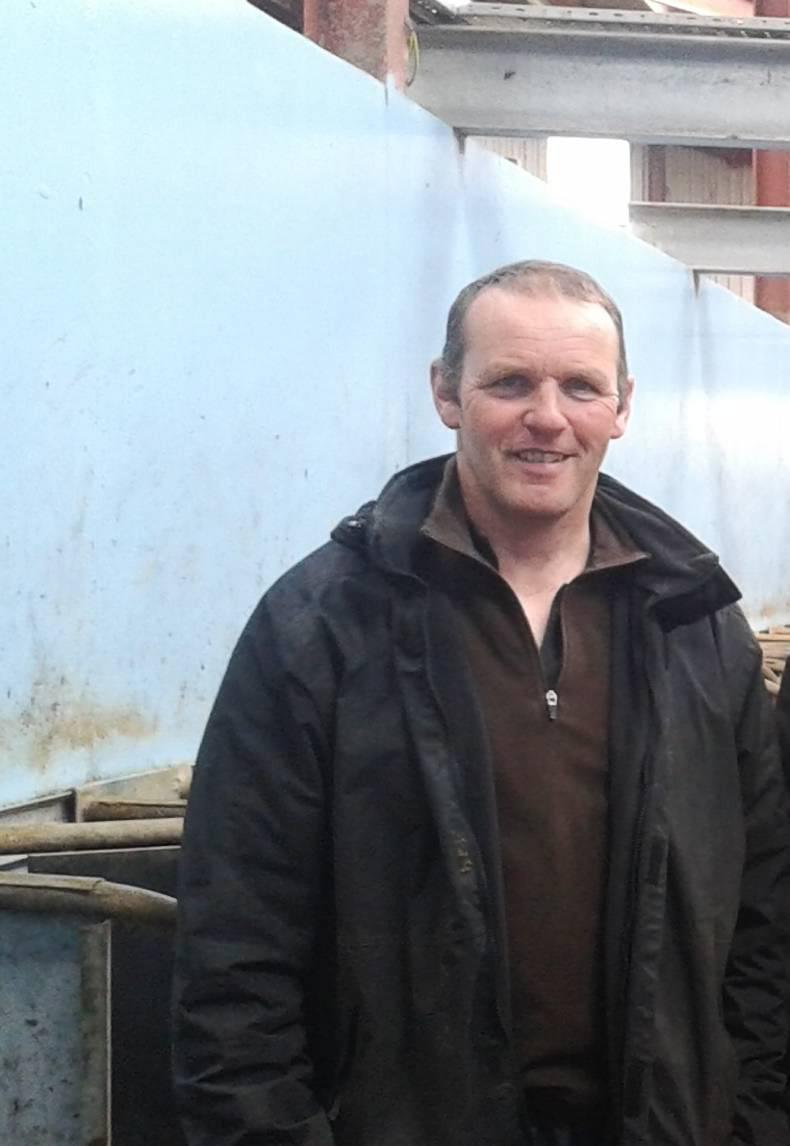
This is the first year that Charles will have stopped milking over the Christmas and new year period, but he is happy with his decision to dry all his cows off, as it will allow him to spend more time with his family and also to prepare for the calving season, which will start in the first week of February 2016.
Charles started the drying-off process in the first week of December, with the first-calvers being dried first along with any cows in poor body condition score.
The remainder of the herd will be dry by the end of this week. All cows on the farm have been housed since 7 November.
Calving will begin on 5 February. Charles expects some cows to calve in the first week, but it will mainly be heifers calving on the farm at the start of February.
As all the heifers were synchronised at breeding, they should nearly all calve within the first fortnight.
Scanning results for the herd found that nine cows out of 107 (8%) were not in calf – excellent performance.
Four out of the 26 heifers scanned were found not to be in calf, which at 15% of all heifers is disappointing. The breeding season lasted 14 weeks in 2015.
The heifers were recently weighed while being treated for fluke. Two heifers weighed 500kg, the rest were 550kg and a few older ones were already over 550kg.
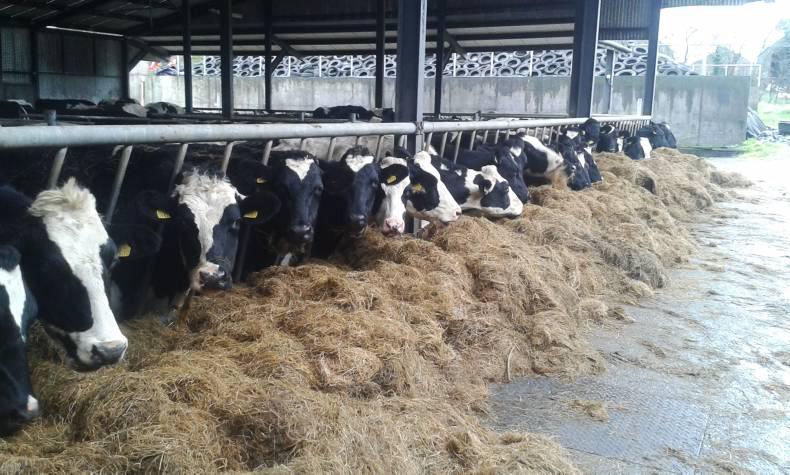
Currently, Charles is feeding concentrate to milking cows through the parlour, but this is due to stop this week, after which no supplementary feeding will be required, as the quality of his silage means it will be more than sufficient to maintain cow condition throughout the dry period.
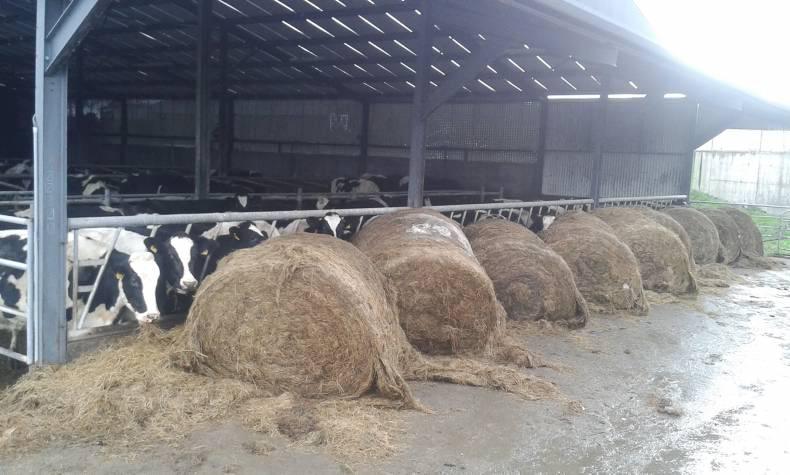
Cows will receive baled silage initially, with minerals being introduced around Christmas.
Cow condition last week for the herd was on target, with only approximately 10% of the herd below 2.8 in condition score. Charles maintains this was helped by the excellent autumn weather, which allowed for some of the best grazing conditions on the farm this year.
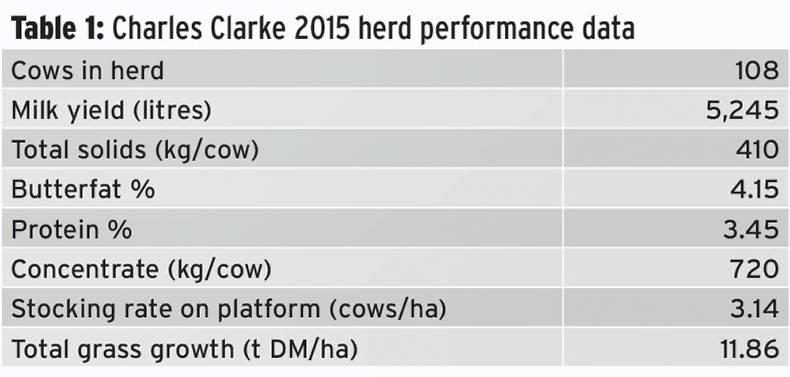
Supplementary feed costs for the year work out at approximately 3.4c/litre, with 720kg per cow fed.
Some of the key performance data for Charles is in Table 1.
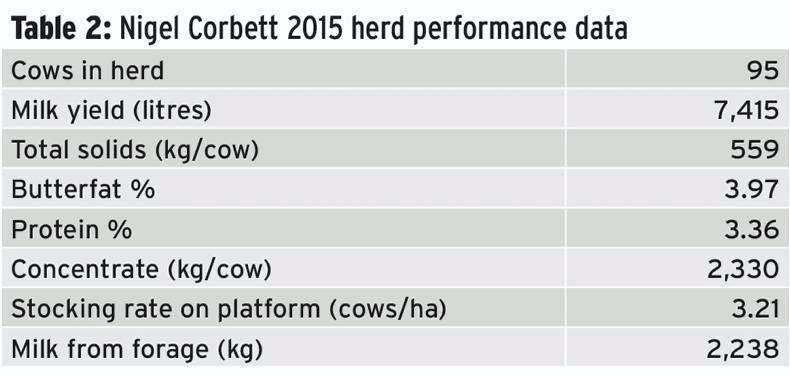
Nigel Corbett, Dromara, Co Down
Calving interval the main focus for 2016
Calving this year started in October and while it is progressing, it has been slow in Nigel’s herd, with only 50% of the herd due to calve before the end of December.
In previous years, Nigel would have started calving in October and finished in March, but in recent years, the profile has slipped somewhat; still commencing in October, but continuing through to June.
The calving interval for the herd is 399 days. Nigel recognises this is an issue on the farm and intends to improve this with better heat detection and targeting the replacement heifers to calve at the start of the calving season next year.
The ultimate aim for Nigel is to make the calving profile more compact with two distinct calving groups, with 70% of the herd calving in September and October and the remaining 30% calving in February.
Fertility performance of the main milking herd has been poor over the last two years for a number of reasons.
They include poor fertility, genetics, poor conception with sexed semen, poor-quality feed and spread calving, making fertility management more difficult.
However, the key fertility issue on the Corbett farm relates to cow type. Cow condition is difficult to manage with Nigel’s particular cow type and generally results in an increased level of supplementation, which eats into his margin.
The 2015 year has seen Nigel feed 2,330kg of concentrate per cow – 750kg more than the target feed for the herd, which equates to €20,400 (£14,850) in additional feed costs for the year.
Grass management and breeding are two key areas for Nigel in 2016. Some grass measurement took place during 2015, but it was sporadic and incomplete.
Much more emphasis will be placed on grass budgeting and allocation to cows in 2016.
As part of the Dairylink plan for Nigel’s farm, a target of 3,800 litres from forage has been set, which requires a significant improvement in grass management.
From a breeding perspective, fertility is at the top of the breeding criteria for the herd, with milk solids second on the list for sire selection.
Nigel has utilised both the PLI and the EBI breeding indices with regard to their contribution to both fertility and solids for the herd in order to help make the correct bull selection.
He is keen to breed a cow which will fit into the production system and appreciates it is a slow procedure, but is confident that breeding decisions made now will make a positive contribution in three years’ time.




SHARING OPTIONS