


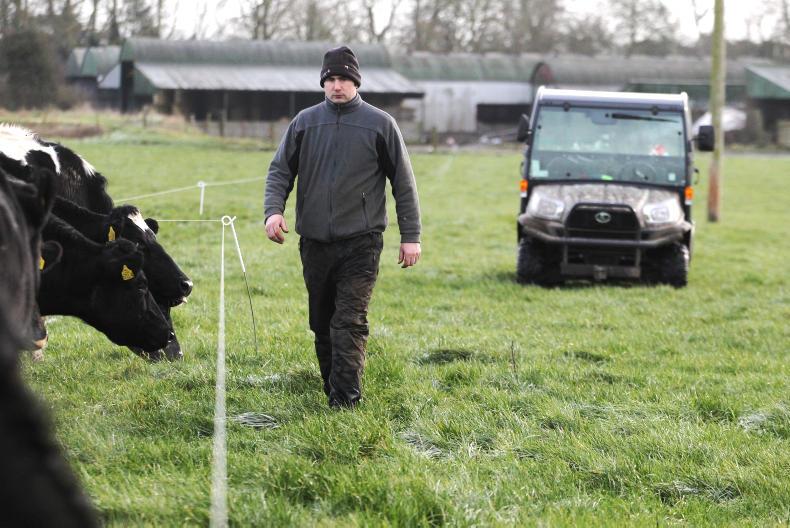
We are moving closer to dry-off this week with only 100 cows left going through the milking parlour today. We will dry off fully at the end of next week and if the weather stays dry enough in between, we might be able to keep the milking herd out at grass for at least a few hours every day.
We have a dry field near the parlour to get us through this week.
The growth has been exceptional on the farm for the last two months so grass supply is not the issue.
Ground conditions on most fields are still marginal at best though. We will have to carry a very heavy cover of grass into the spring unless it gets burnt off by an exceptionally bad frost.
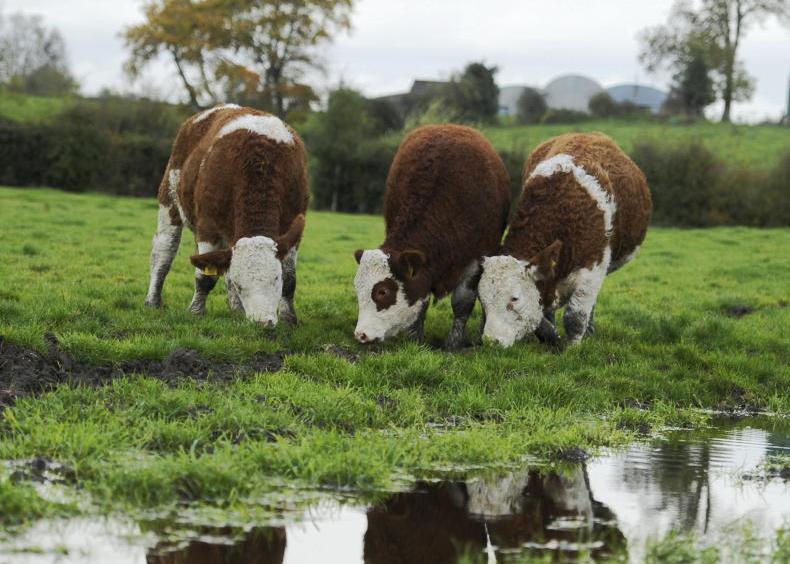
The last of the weanling heifers were brought into the shed earlier this week as well. We left a batch out at grass on the out farm for as long as possible this autumn to graze off some heavy covers before the winter.
Most of these paddocks will be cut twice for silage early next year and will not see stock until June or July so we felt it was important to get them as clean as possible before the winter to be ready for slurry early in the spring.
We grouped these heifers to size in their pens as there wasn’t enough time to weigh them all and to sort them on weight properly. We spent a bit of time clipping the backs and tails and dosing them instead.
We will feed the heifers surplus bales that were made on the milking platform and 2kg of meal per day over the winter. We are leasing a new block of ground for these heifers for next year’s grazing season. There are sheds on this ground that can be used in poorer weather, so we should be able to get them out and shipped over there reasonably early in the season.
As the cows go dry next week, we will turn our attention to the upcoming calving season. We have a small bit of work to do on getting the calf sheds and calving boxes ready for the spring. We will also spend a bit of time on training the in-calf heifers to walk through the milking parlour and footbath before they need to do it for real a month later.
We usually run them through the parlour three times a week for a few weeks and feed a 0.5kg of meal in the parlour so that they know that it is there after calving. They are teat-sprayed in the parlour as well and the machine and radio are turned on to get them used to all the hustle and bustle that comes with the territory.
We will go through a full dosing programme when all the cows are dry and before they get too close to calving again. We have a dry enough farm, but we always dose with Zanil before calving starts to cover both liver and rumen fluke. We will use a pour-on for worms and lice when they are all dried off and that should cover everything for the housing period.
The rest of the quiet time will be spent tidying up the fencing and roadways on the home farm which have been a bit neglected in a few areas for the last while. We will also do a bit of fencing on the new ground for the heifers before next spring. We are waiting for maps to come back and we will put a plan in place for paddocks and water when they arrive.



SHARING OPTIONS