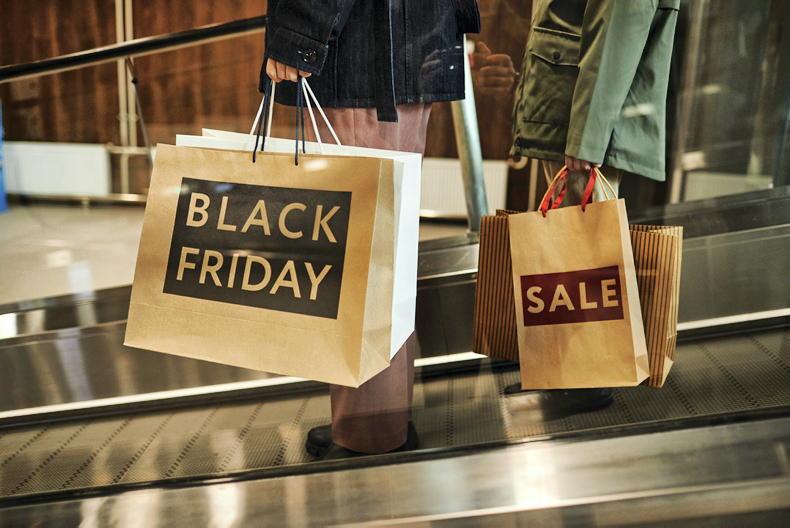

As Black Friday becomes a fixture in the Irish shopping calendar, new research from the Competition and Consumer Protection Commission (CCPC) suggests consumers are increasingly sceptical about the discounts on offer. With new charges affecting purchases from outside the EU, shoppers are being urged to do their homework before clicking ‘buy’.
The phenomenon began in the United States, where the Friday after Thanksgiving marked the start of the Christmas shopping season. It is now a fixture in Ireland, with deals extending into Cyber Monday.
But familiarity has not brought confidence. The CCPC’s Black Friday Sales 2026 research, based on a survey of 1,028 people aged 15 and over, found that just 23% of consumers trust the pre-sale prices or percentage discounts advertised during the sales. That is the lowest level recorded since 2022, when 35% said they trusted the information. The proportion who do not trust discount information has risen from 61% in 2022 to 73% this year.
Aoibhín de Búrca, the CCPC’s director of communications and consumer information, says shoppers are increasingly sceptical.
“Consumers no longer trust that Black Friday sales are an opportunity to save money and they are becoming much savvier about sales. We’ve seen a noticeable decline in trust in discounts over the past five years; traders have some work to do to win back the trust of consumers,” she says.
Do your research
Just over one-third (35%) of consumers say they are likely to make a purchase during Black Friday or Cyber Monday sales this year, down from 39% in 2025 and below the 45% recorded in 2023. Almost half (47%) say the cost of living makes them less likely to shop.
Intending shoppers expect to spend an average of €307, the lowest since 2022. Clothing, footwear and jewellery top the list of planned purchases at 51%, followed by electronics at 42%.
A sale label does not automatically make something a bargain. Compare prices across retailers and check the product’s price history. Check delivery charges, stock availability and the retailer’s estimated delivery date before placing your order. When a trader advertises a reduction, the previous price generally must be the lowest price applied by that trader during the 30 days before the reduction. The biggest percentage discount may not represent the best value.
Four in five intending shoppers say they will research previous prices before buying. Search by product name or model number and include delivery costs. The CCPC also recommends checking independent reviews before committing to a purchase.
Since new laws against misleading discounts were introduced in 2022, the CCPC has brought high-profile cases against several major retailers.
“Advertising false discounts is illegal,” Aoibhín says. “Recent CCPC investigations have led to significant court cases against traders for breaking sales pricing laws online and in-store.”
Where you are buying from?
More than half of those planning to shop (54%) expect to buy exclusively online, while a further 34% expect to shop both online and in-store. Some 92% expect to buy from an Irish seller, 46% elsewhere in the EU and 28% outside the EU.
A retailer’s location and dispatch point can affect the final cost and consumer protections. New EU customs charges and a Union Handling Fee apply to relevant purchases arriving from outside the EU.
“Buying from Ireland or elsewhere in the EU means your consumer rights are stronger, plus you’ll avoid the new EU customs charge and Union Handling Fee,” says Aoibhín. “Always check where your bargains are being shipped from; if it’s not clear, that’s a red flag.”
If you see a .ie address or euro prices it does not prove a website is based in Ireland. Check the seller’s contact details, dispatch location and returns policy. Be wary of unfamiliar social media retailers and unexpected customs-payment messages. Go directly to the delivery company’s official website rather than clicking a payment link.
Check the returns policy
The CCPC found that 69% of those planning to shop in the sales intend to check the returns policy for some or all of their purchases.
For most online purchases from traders in Ireland or elsewhere in the EU, consumers have 14 days after receiving goods to cancel, followed by a further 14 days to return them. Some exceptions apply, including personalised goods and certain sealed items once opened. In physical shops, retailers are not generally obliged to refund a change of mind, although faulty goods are covered by consumer law.
Impulse buying is another reason to pause before checking out. More than half of respondents said they had regretted an impulse purchase made during a sale. Among those intending to shop during this year’s Black Friday and Cyber Monday sales, that figure rises to 62%.
Among those not intending to shop, 45% said they did not need or want anything, 28% mistrusted deals and 26% could not afford to spend.
“These survey results show that many consumers are shopping carefully, conscious of getting value for money and using their consumer rights to navigate high costs,” says Aoibhín. “They’re checking return policies, shopping within the EU, and showing a healthy degree of scepticism around flashy discount claims.”
Black Friday may offer savings, but compare prices, check the seller and understand the full cost. A deal is only a deal if you want the item and the price is genuinely better.
Helplines:
CCPC consumer helpline: 01 402 5555