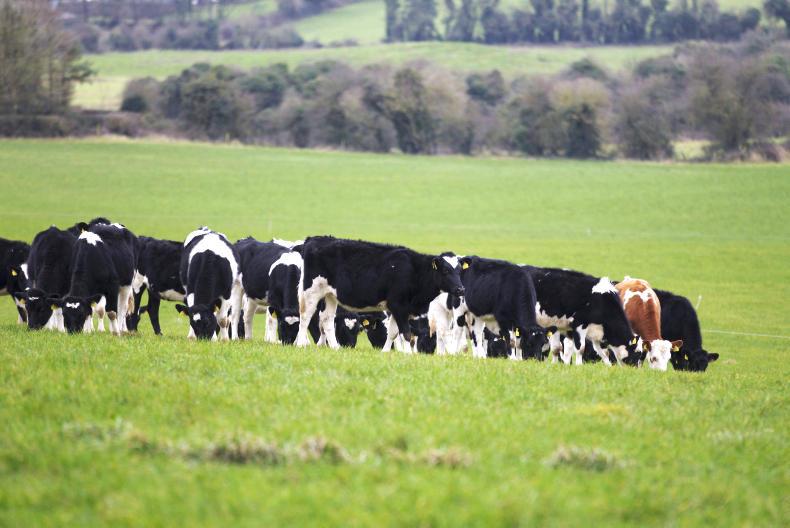
My wife and I have been suckler farming for a good number of years. We feel very tied to the farm. We have no successor so we are questioning why we are doing it?
The land is good tillage land and someone mentioned that I should consider share farming with a local contractor. Can you explain what it’s about and the pros and cons of such a structure? What are the proper systems and paperwork involved? Is there a lot of paperwork? We would appreciate any advice to help us make an informed decision.
ANSWER: Share farming is where the landowner and the share farmer carry on separate farming businesses on the same land sharing the inputs and the outputs. It is different from a partnership where the parties share in the profits. It is most popular in tillage (share cropping) and dairying (share milking) but can operate in beef and sheep also.
It will give you an opportunity to step back while still having a real input into the farming business. You will continue to be regarded as an active farmer for payment entitlements and tax. The main drawback is that you have to work collaboratively with someone which will be different if you have always worked on your own. There is also a lot of paperwork involved.
However, this should not be a big issue for a contractor that is operating a couple of share farming arrangements as he or she should have proper systems and procedures already in place.
What are your responsibilities?
For example, take a share farmer (VAT registered) and a landowner (VAT unregistered) who are in a share farming arrangement involving the growing of cereals. On the basis of the agreement, the costs of the chemicals are to be divided between them on a 50:50 basis and the sale proceeds are to be divided in the ratio 60:40 in favour of the landowner.
The VAT registered share farmer purchases all of the chemicals on behalf of himself and the landowner. The VAT registered share farmer is also responsible for selling the produce and the proceeds are then divided with the landowner.
The VAT registered share farmer:
Invoices the landowner for the landowner’s share of the cost of the chemicals (plus VAT at the standard rate) and accounts for the VAT in their return.Is entitled to VAT deductibility on the purchase of the chemicals.Invoices the merchant for the produce sold including VAT at the relevant rate.Passes on the landowner’s share of the proceeds. The sharing of the proceeds of the sale is not subject to VAT.The landowner (not VAT registered):
Is not entitled to VAT deductibility on their costs.Is not entitled to the flat rate addition on their share of the proceeds.The landowner and share farmer could agree to operate it differently, whereby it is the unregistered landowner who sells the produce and divides the proceeds or alternatively the division of ownership of the crop takes place after harvesting and each party sells their own crop. Each case has different tax implications.
Revenue guidance
Revenue recently updated their guidance on share farming. They note that each party – the landowner and share farmer – are free to sell their shares of the produce as they feel fit. Each party is responsible for their own costs of production and for calculating their individual profits.
The share farmer and landowner are two business equals, not master and servant. They are also risk takers. The share farmer and landowner are jointly responsible for annual planning, including cropping, rotations, stocking, breeding policy and purchase and sales. No rent is paid for the land. The share farmer is not paid for his or her labour. A contractor hire cost is not paid to the share farmer for the use of their machinery.
If registered for VAT, each party is separately registered and accounts for their own VAT returns. As regards schemes such as BISS, ACRES, ANC, the terms of the share farming agreement will stipulate how the payments received from DAFM are to be divided between the landowner and the share farmer. They can be retained by either party or divided.
The ownership of livestock in a share farming arrangement will depend on the terms of the agreement between the parties. Livestock may be solely owned by one or both parties, they may be jointly owned or there may be a mix of sole and joint ownership. The landowner’s herd number is typically used.
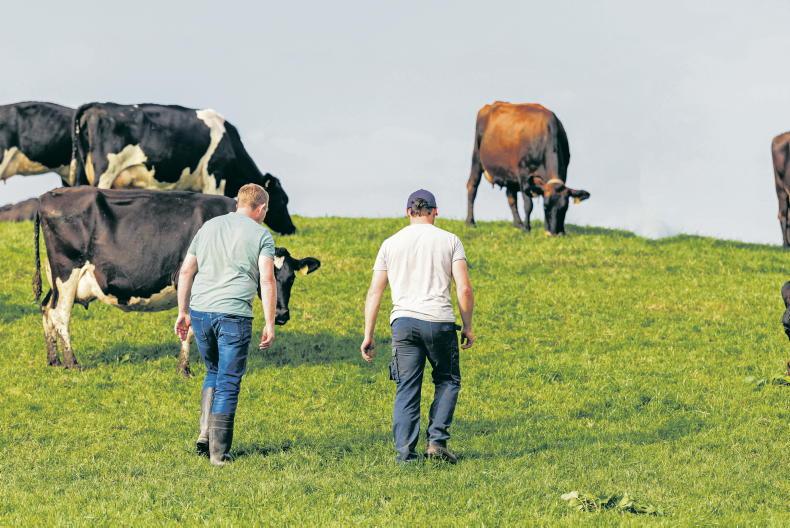
If you can find the right fit with a share farmer it will give you the flexibility you desire. In this scenario, the share farmer provides the machinery, labour and up-to-date expertise. You as the owner supply the land. Between you, you agree on a cropping strategy and split. The typical split is 50:50 of input costs and revenues including scheme payments.
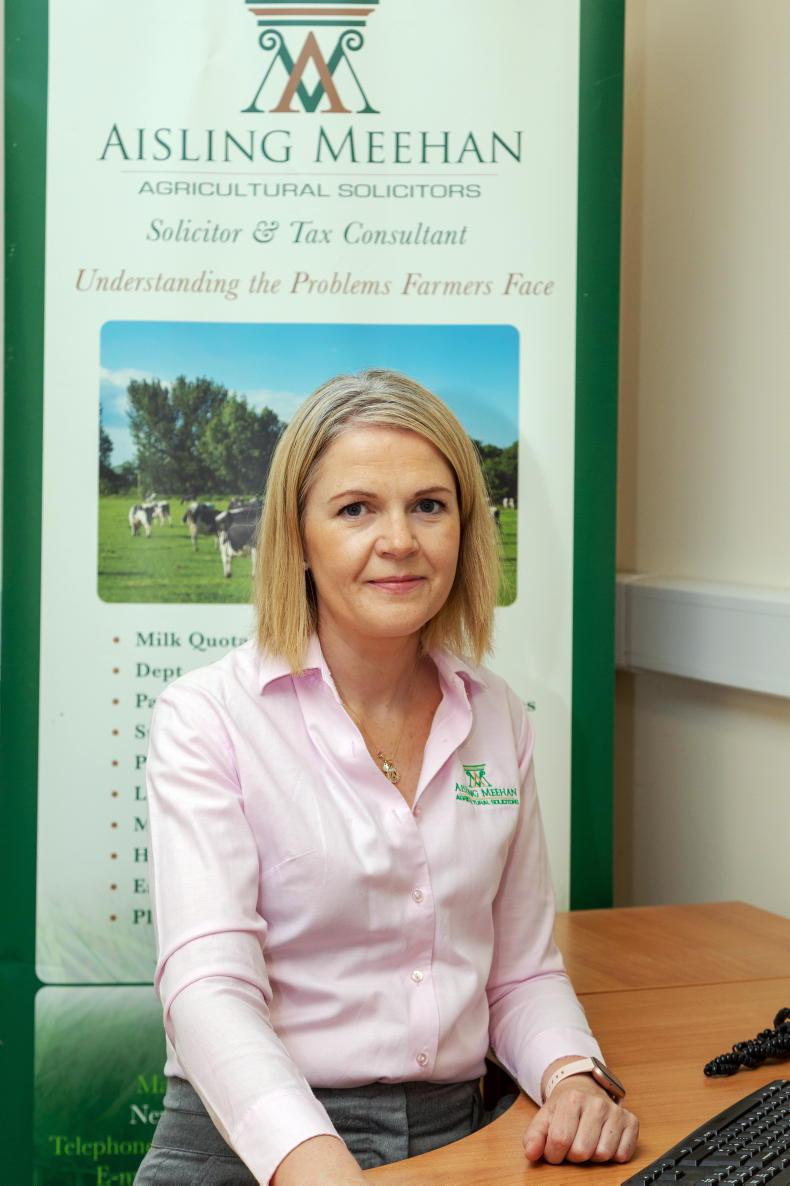
Aisling Meehan, agricultural solicitors and tax consultants
Disclaimer: The information in this article is intended as a general guide only. While every care is taken to ensure accuracy of information contained in this article, Aisling Meehan, Agricultural Solicitors and Tax Consultants does not accept responsibility for errors or omissions howsoever arising. Email aisling@agrisolicitors.ie
My wife and I have been suckler farming for a good number of years. We feel very tied to the farm. We have no successor so we are questioning why we are doing it?
The land is good tillage land and someone mentioned that I should consider share farming with a local contractor. Can you explain what it’s about and the pros and cons of such a structure? What are the proper systems and paperwork involved? Is there a lot of paperwork? We would appreciate any advice to help us make an informed decision.
ANSWER: Share farming is where the landowner and the share farmer carry on separate farming businesses on the same land sharing the inputs and the outputs. It is different from a partnership where the parties share in the profits. It is most popular in tillage (share cropping) and dairying (share milking) but can operate in beef and sheep also.
It will give you an opportunity to step back while still having a real input into the farming business. You will continue to be regarded as an active farmer for payment entitlements and tax. The main drawback is that you have to work collaboratively with someone which will be different if you have always worked on your own. There is also a lot of paperwork involved.
However, this should not be a big issue for a contractor that is operating a couple of share farming arrangements as he or she should have proper systems and procedures already in place.
What are your responsibilities?
For example, take a share farmer (VAT registered) and a landowner (VAT unregistered) who are in a share farming arrangement involving the growing of cereals. On the basis of the agreement, the costs of the chemicals are to be divided between them on a 50:50 basis and the sale proceeds are to be divided in the ratio 60:40 in favour of the landowner.
The VAT registered share farmer purchases all of the chemicals on behalf of himself and the landowner. The VAT registered share farmer is also responsible for selling the produce and the proceeds are then divided with the landowner.
The VAT registered share farmer:
Invoices the landowner for the landowner’s share of the cost of the chemicals (plus VAT at the standard rate) and accounts for the VAT in their return.Is entitled to VAT deductibility on the purchase of the chemicals.Invoices the merchant for the produce sold including VAT at the relevant rate.Passes on the landowner’s share of the proceeds. The sharing of the proceeds of the sale is not subject to VAT.The landowner (not VAT registered):
Is not entitled to VAT deductibility on their costs.Is not entitled to the flat rate addition on their share of the proceeds.The landowner and share farmer could agree to operate it differently, whereby it is the unregistered landowner who sells the produce and divides the proceeds or alternatively the division of ownership of the crop takes place after harvesting and each party sells their own crop. Each case has different tax implications.
Revenue guidance
Revenue recently updated their guidance on share farming. They note that each party – the landowner and share farmer – are free to sell their shares of the produce as they feel fit. Each party is responsible for their own costs of production and for calculating their individual profits.
The share farmer and landowner are two business equals, not master and servant. They are also risk takers. The share farmer and landowner are jointly responsible for annual planning, including cropping, rotations, stocking, breeding policy and purchase and sales. No rent is paid for the land. The share farmer is not paid for his or her labour. A contractor hire cost is not paid to the share farmer for the use of their machinery.
If registered for VAT, each party is separately registered and accounts for their own VAT returns. As regards schemes such as BISS, ACRES, ANC, the terms of the share farming agreement will stipulate how the payments received from DAFM are to be divided between the landowner and the share farmer. They can be retained by either party or divided.
The ownership of livestock in a share farming arrangement will depend on the terms of the agreement between the parties. Livestock may be solely owned by one or both parties, they may be jointly owned or there may be a mix of sole and joint ownership. The landowner’s herd number is typically used.
If you can find the right fit with a share farmer it will give you the flexibility you desire. In this scenario, the share farmer provides the machinery, labour and up-to-date expertise. You as the owner supply the land. Between you, you agree on a cropping strategy and split. The typical split is 50:50 of input costs and revenues including scheme payments.

Aisling Meehan, agricultural solicitors and tax consultants
Disclaimer: The information in this article is intended as a general guide only. While every care is taken to ensure accuracy of information contained in this article, Aisling Meehan, Agricultural Solicitors and Tax Consultants does not accept responsibility for errors or omissions howsoever arising. Email aisling@agrisolicitors.ie
SHARING OPTIONS