



You bought how much land?” I asked the question trying to hide my shock. I was sitting in James and Gillian’s kitchen in Cork. They have four children and when I first visited them in January 2012, they were farming 260 acres – 130 of it owned – and running 70 suckler cows, selling the progeny as weanlings. They also had a tillage enterprise.
James had done a Teagasc profit monitor on the farm for 2011 and it did not make for enticing reading. The bottom line was that despite the Single Farm Payment averaging €300/ha, net profit was €150/ha. High land leasing costs were part of the reason.
On the performance side, output/ha was low and high variable costs eroded the tillage margins. A disease problem in the suckler herd two years before that continued to hit output in 2011. The solution was to get farm output and profitability up. One positive point was that they had very little bank borrowings. However, bills were mounting with merchants and other suppliers. By January 2013, things had improved to the point that they were holding on to their Single Farm Payment – mainly due to improved performance in the suckler herd.
When I went back to visit them in late August this year, it was obvious that a lot more had changed since then. First, they stopped doing tillage completely and dropped the rented land in 2014.
“Looking at the high rental costs, we realised that it was just not making money,” said James.
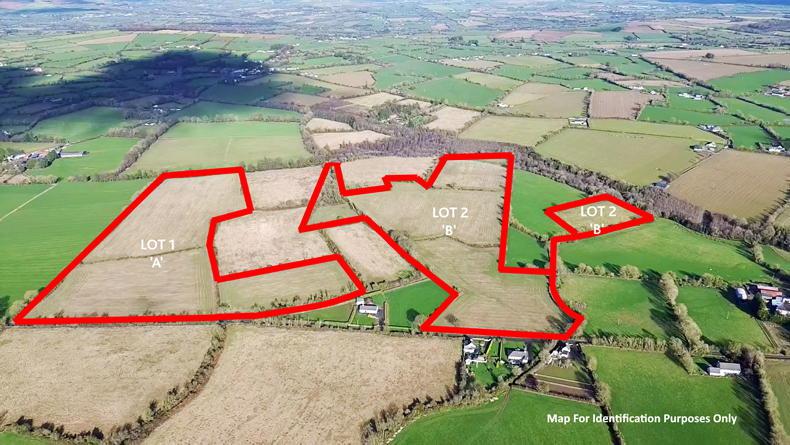
When 80 acres came up for sale close by, they made the bold decision to sell off 60 acres they owned on an outfarm and try to buy the plot.
“It was a very stressful time as we were unsure if it was the right thing,” said Gillian.
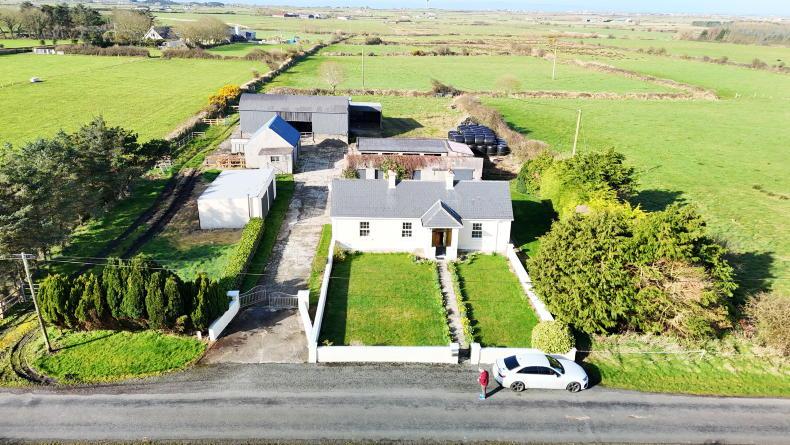
In the end, they finished up with an additional 20 acres of land that were closer to them and had some buildings on-site.
“The buildings were a big benefit to us as we were planning to build a new shed here as suckler numbers increased. Now we don’t have to,” said James.
The couple now has €200,000 in borrowings.
“When we went to the bank, we decided to restructure all our outstanding debts as well,” said James. This move allowed them to pay off the merchant bills – which had amounted to over €30,000.
“When we went to [the merchants] to pay off the bill, we got a substantial discount as they took off the interest and some of the actual credit as well,” said James. Restructuring the bank borrowing has taken the short-term pressure off cashflow. Now the family has monthly repayments of around €1,50 – a figure they are comfortable with. I told them the biggest thing is not to let merchant credit build up like that again.
Performance in the suckler herd has improved, and with the additional buildings on the new land they can continue with their plan to lift numbers to 100.
The new land was purchased in their son’s name, Andrew, as he plans to farm full time. He is currently working off-farm, but helps out on the farm. It was interesting to listen to James and Gillian talk about the relationships on the farm, especially between Andrew and James. There were stories of how it could be confrontational at times.
“Andrew plans a lot of the jobs around Saturdays, but I like going to the mart on Saturday. It’s my social relief,” joked James. I did not get to hear Andrew’s side of the story, but it is not the first time I have heard the challenges that fathers and their sons have when working together.
“Once you are both fair and can see each other’s point of view. The most important thing is to know when to pause a debate (or argument) and come back to it when you both have cooled down,” I said.
“I have walked away at times,” said James, who admitted he can get excited. I agreed to come back and have a chat with both Andrew on James on developing the new plan for the future, as long as he was open-minded.
The other major change was that James wasn’t smoking cigarettes. He was puffing on an e-cigarette instead.
“I suppose it was when you highlighted that we were spending €10,000 a year on them. It is certainly saving me thousands,” he said.
His savings have made it easier to ensure there is enough money to run the household.
With only the farm as an income, Gillian has set a household budget of €35,000, with the aim of taking €770 per week out of the farm account each month and putting it into a separate bank account.
“It is still working really well as I know the amount of money I have to budget for each month. It was difficult in 2012 when the herd was locked up and there were no sales coming in, but since then we have been managing,” said Gillian.
“I still write a list before I go shopping, which helps to keep the grocery bill down,” she added. “Doing the budget is great for this as it shows up expected costs and helps you avoid surprises.”
There were certainly some surprises for me when I returned to Gillian and James’s. However, the solution first identified to get farm output and profitability up remains the same.





SHARING OPTIONS