The first view of proposed measures under the forthcoming sheep scheme, called the Animal Welfare Scheme, were presented this week at a meeting of the implementation committee of the Rural Development Plan.
The document, which will now be submitted to Brussels for approval, contains nine measures with each outlined on their baseline requirement, what is expected from farmers, the measures impact at farm level and how it will be monitored and policed.
There is a good range of options targeted at reducing lamb mortality and lambing difficulties and it looks at this stage that farmers will have to select two options from the measures that are likely to be divided into two categories. A full breakdown of the measures is available at www.farmersjournal.ie.
ADVERTISEMENT
Lameness: Participants carry out five lameness examinations recording the incidence and scoring how bad it is. Monitored by records, receipts of purchased treatments and potential DAFM assessment.
Mineral supplementation of ewes: Administration of minerals to ewes post-mating to help combat deficiencies resulting in increased stillbirths and mortality. Monitored by purchase records of minerals and administration details.
Meal feeding post-weaning: Feeding of a suitable lamb ration containing minerals for four weeks post-weaning to ensure mineral deficiencies, resulting from standard husbandry practices, are corrected. Monitored by proof of purchase and possible inspection of feeding sites.
Parasite control: Carry out a minimum of two faecal egg counts (FEC) per annum. Hill farms must carry out one FEC on lambs and one on ewes. Monitored by FEC lab results.
Scanning: Scan ewes 80 days post-ram turnout –mark, divide and feed according to litter size. Monitored by receipt from scanning operator.
Mineral supplementation of lambs: Supplement lambs with minerals pre-weaning, which will address mineral deficiencies. Monitored by proof of purchase.
Flystrike: Incorporation of a flystrike programme during high-risk months. Monitored by records of chemical control, mechanical dagging and dag scores of the flock.
Three-, four- and five-star rams: Purchase a three-, four- or five-star rated ram on terminal or replacement index before end of year three of the scheme. Monitored by proof of purchase and genetic evaluation.
Parentage recorded ram: Purchase parentage recorded ram per 40 breeding ewes for at least one breeding season before end of year three. Monitored by proof of purchase, parentage certification.
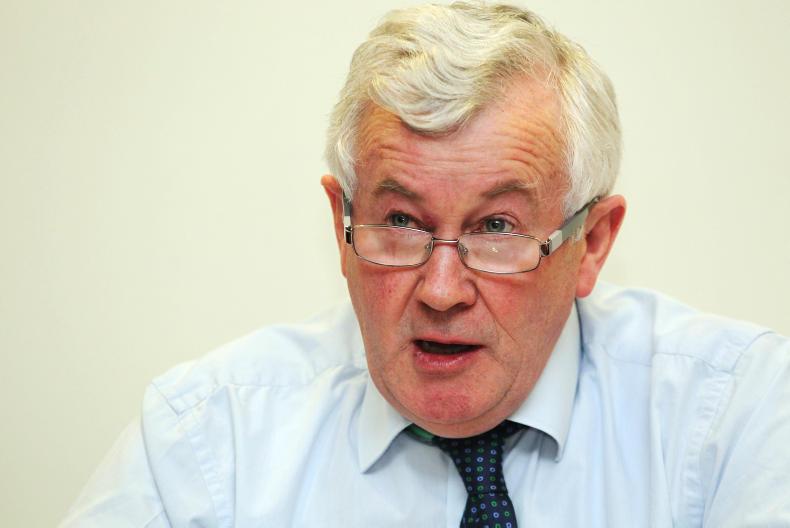
Commenting on the first view of the measures, IFA national sheep committee chair John Lynskey said: “Following an intensive campaign in the lead-up to the general election, the IFA secured €25m additional funding for the new scheme in the Programme for Government.
“The proposals are now gone to Brussels and the Minister needs to be in a position to confirm full funding and details of the scheme in the October budget, along with having the scheme up and running from 1 January 2017,” Lynskey said.
Register for free to read this story and our free stories.
This content is available to digital subscribers and loyalty code users only. Sign in to your account, use the code or subscribe to get unlimited access.
The reader loyalty code gives you full access to the site from when you enter it until the following Wednesday at 9pm. Find your unique code on the back page of Irish Country Living every week.
CODE ACCEPTED
You have full access to the site until next Wednesday at 9pm.
CODE NOT VALID
Please try again or contact support.
The first view of proposed measures under the forthcoming sheep scheme, called the Animal Welfare Scheme, were presented this week at a meeting of the implementation committee of the Rural Development Plan.
The document, which will now be submitted to Brussels for approval, contains nine measures with each outlined on their baseline requirement, what is expected from farmers, the measures impact at farm level and how it will be monitored and policed.
There is a good range of options targeted at reducing lamb mortality and lambing difficulties and it looks at this stage that farmers will have to select two options from the measures that are likely to be divided into two categories. A full breakdown of the measures is available at www.farmersjournal.ie.
Lameness: Participants carry out five lameness examinations recording the incidence and scoring how bad it is. Monitored by records, receipts of purchased treatments and potential DAFM assessment.
Mineral supplementation of ewes: Administration of minerals to ewes post-mating to help combat deficiencies resulting in increased stillbirths and mortality. Monitored by purchase records of minerals and administration details.
Meal feeding post-weaning: Feeding of a suitable lamb ration containing minerals for four weeks post-weaning to ensure mineral deficiencies, resulting from standard husbandry practices, are corrected. Monitored by proof of purchase and possible inspection of feeding sites.
Parasite control: Carry out a minimum of two faecal egg counts (FEC) per annum. Hill farms must carry out one FEC on lambs and one on ewes. Monitored by FEC lab results.
Scanning: Scan ewes 80 days post-ram turnout –mark, divide and feed according to litter size. Monitored by receipt from scanning operator.
Mineral supplementation of lambs: Supplement lambs with minerals pre-weaning, which will address mineral deficiencies. Monitored by proof of purchase.
Flystrike: Incorporation of a flystrike programme during high-risk months. Monitored by records of chemical control, mechanical dagging and dag scores of the flock.
Three-, four- and five-star rams: Purchase a three-, four- or five-star rated ram on terminal or replacement index before end of year three of the scheme. Monitored by proof of purchase and genetic evaluation.
Parentage recorded ram: Purchase parentage recorded ram per 40 breeding ewes for at least one breeding season before end of year three. Monitored by proof of purchase, parentage certification.
Commenting on the first view of the measures, IFA national sheep committee chair John Lynskey said: “Following an intensive campaign in the lead-up to the general election, the IFA secured €25m additional funding for the new scheme in the Programme for Government.
“The proposals are now gone to Brussels and the Minister needs to be in a position to confirm full funding and details of the scheme in the October budget, along with having the scheme up and running from 1 January 2017,” Lynskey said.
If you would like to speak to a member of our team, please call us on 01-4199525.
Link sent to your email address
We have sent an email to your address. Please click on the link in this email to reset your password. If you can't find it in your inbox, please check your spam folder. If you can't find the email, please call us on 01-4199525.
ENTER YOUR LOYALTY CODE:
The reader loyalty code gives you full access to the site from when you enter it until the following Wednesday at 9pm. Find your unique code on the back page of Irish Country Living every week.









SHARING OPTIONS