The EII scheme offers investors up to 40% tax relief by investing in businesses for three years. It replaced the Business Expansion Scheme (BES) and the criteria has changed, allowing an increasing number of businesses including farming companies to use it to finance expansion.
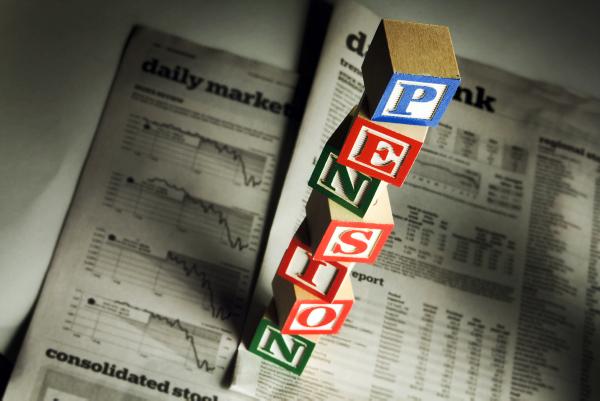
For the investor, it has an advantage over pensions in that you get tax relief, but also the potential to have your money returned in three years (soon to increase to four) from the company or fund you invest in. Potentially, the money can then be reinvested in an EII to get tax relief on the same money again.
With pensions, you get the full tax relief of 41% at the higher rate in the year you put the money in.
Under the EII, the tax relief comes in two tranches. There is a 30% tax relief in year one, with a further 10% relief after three years. The second tranche is subject to the company proving it has increased employment after three years or has met pre-defined R&D expenditure requirements.
One advantage of an EII investment is that it can relieve income tax on almost all forms of income including salary, rent and dividends up to a maximum of €150,000 per annum in each tax year up to 2020. Even if the money is just returned after three years, the potential return is over 13% on the tax saving alone.
The one major risk is that there are no guarantees. The money returned is based on the success of the company or the fund you invest in. Investors can look to put money in individual companies or look to a designated investment fund that some investment firms have set up. Charges can range from 3% to 5% of the money invested. In many cases, funds include more established companies with a strong trading record and a commercial focus and for raising funds from outside investors. Some companies can set up standalone EIIS schemes and look for their own.
Risks investors should consider before investing are, as follows:
It is a medium- to long-term investment in smaller companies, with no early exit mechanism. Investors should not expect to release any investment capital within a three-year period.There are no guarantees. Investors are exposed to the performance of the investee companies and may lose some or all of their invested capital.Investors must have an income tax liability to the value of the relief being claimed in a given tax year and the maximum investment on which tax relief can be claimed is €150,000 in any tax year.Investors should seek competent advice before investing in EII schemes.
The new EII is not just for large scale-investments. In the last year, accountants from the FDC Group have focused on using EII as a way for some farmers to access capital for expansion at low, or even no, cost.
The farm must be in a limited company to get access to the EII in the first place. Instead of going to the bank for a loan of say €200,000, FDC looks to create an EII specifically for the farm. It suits where the farmer has high income taxed at the high rate, either through rental or wages from the farming company or other sources. This could be for the spouse if they have a high-paying job.
In many cases, they encourage farmers to get family and friends who have money and are paying the high tax rate to invest. The carrot for them is that they can potentially get a return of 13.6% over the three-year period on the tax relief alone. The fact that they are investing in a company they understand and someone they trust is seen as a positive. However, it also has its risks. The farming company is issuing new shares in the company for the investment. The company will then buy these shares back in three to four years.
For the farm, this capital investment is equivalent to an interest-free loan with a three- or four-year deferred repayment. However the farm must either generate cashflow to repay the investors or get funding from the bank at that stage. There is a risk that it cannot repay and friends and family will be left to wait longer for the money. This could strain relationships.
In its example, FDC has used the farm business Growing Farm Ltd, which is already in a limited company and wants to increase milk production, but will need an investment of €300,000. John, the farmer, is director and sole shareholder. There are no other employees and no debts apart from an overdraft and merchant credit. John leases the land into the company and gets €40,000 a year. He also receives a salary of €34,000 and his wife, Ann has, off-farm income of €55,000.
They have one adult child, Eva, who has an income of €60,000 and Ann’s sister Jane is a senior counsel, with an income of over €150,000.
FDC advises that John and his extended family make investments to the company through an EII scheme over the two years 2015 and 2016. The reason is they get the benefit of tax relief on their income over both years as it is important to cover income taxed at 41% to fully benefit. So, all of the investors get 30% tax relief on the investment in 2015 and 2016. The tax relief in 2019 and 2020 is subject to the company increasing relevant employment. In the case of Growing Farms Ltd, the addition of one new employee will satisfy this.
The company can give no guarantee to pay the money back under the EII. But if company shares have retained their value, then the investors could potentially receive their investment back. If this is the case, it amounts to an annual return of 13.6%.
The farm will have to pay the money back out of cashflow or look to borrow money from the bank at this stage.
There is, of course, a cost of setting up the scheme. There are a lot of financial, tax and company law issues that have to be covered off.
BVP Investments is one company that specialises in raising funds for companies through tax incentive schemes. They have raised over €10m under the old BES and the new EII scheme. Each of their Green EII funds invest in a portfolio of four to five companies. They are about to launch their ninth scheme. They have also raised EII money for standalone projects.
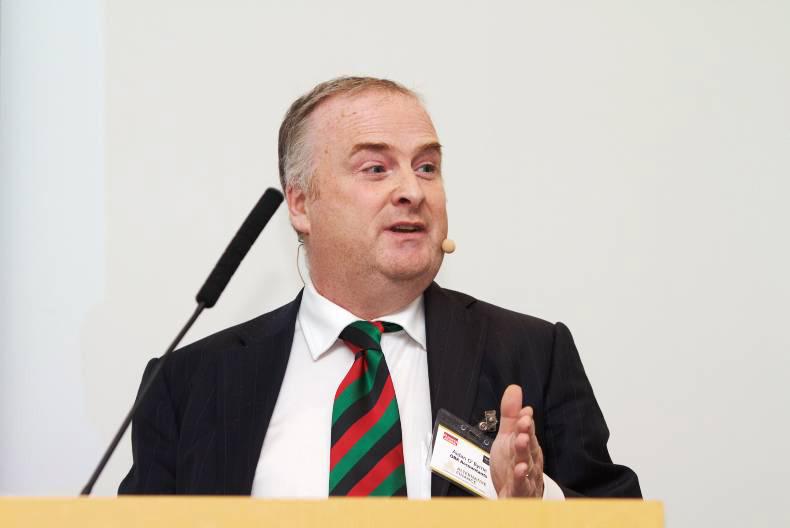
Elliott Griffin, managing director of BVP, said it puts the corporate structure that is required on the investment, ensuring due diligence is carried out. The company also liaises with the investors throughout the investment.
The primary objectives of the Green EII Fund is to provide investors with the opportunity to invest in selected companies, benefiting from the tax relief provisions of the EII and the expected growth in the value of the shares.
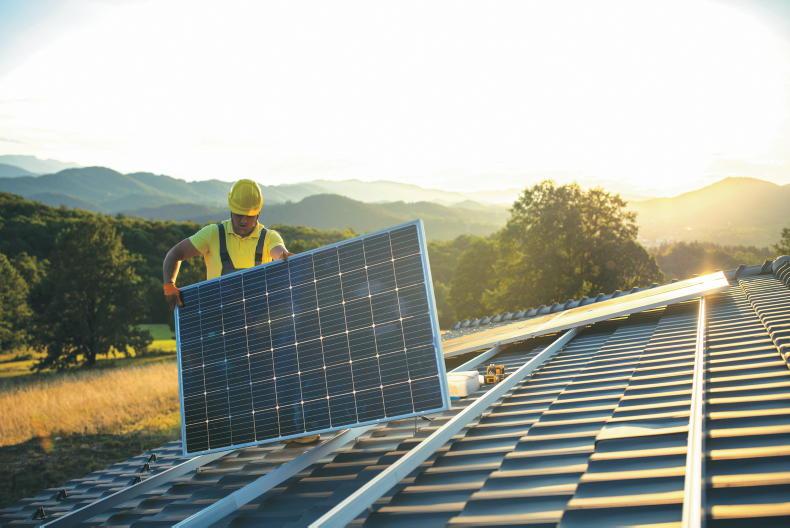
BVP focuses on a range of areas which may include trading activities in recycling, energy efficiency, agriculture, energy storage, water, renewable energy generation and transportation.
According to the company, the key attractions of the fund are:
Access to a range of companies will diversify your investment portfolio.Avail of one of the few remaining income tax reliefs with relief of up to 40% available to qualifying investors.Six-monthly reports for investors and an investor conference held every year to update investors.The targeted return for the fund is 15% per annum (including the tax relief at the marginal rate).Investor charges are a once-off commission of 3.5% on top of their investment and there are no annual charges.BVP also raises funds for standalone projects looking for investment through EII, as well as bonds. One interesting standalone project it is currently promoting is the Tipperary Milk Farm Co (TMF). It is interesting in a number of ways. With quotas gone, it is developing a business to purchase and farm over 1,000 cows on 1,200 acres in several sites around Tipperary.
TMF plans to install robots and use high-yielding cows to maximise milk production. “Supplying milk all year round is a challenge, but we will be making maximum use of grass through zero-grazing,” said Paul Bowes, who will be doing the day-to-day management, along with John Walsh. Bowes used to have a dairy farm, but has since developed large construction, development and renewable energy projects.
John Walsh runs a large family farm in Tipperary, which focuses on dairy, beef and pork production. It is an ambitious plan, but he has already tied down long-term leases and planning for building on the different farms. Producing milk all year round, he aims to maintain production at comparable industry levels. The farm will be utilising high genetic merit to sustain the cost structures and targeted output.
TMF is seeking to raise up to €2.25m through the EII as part of the budget required for the project over the last 24 months. The company has the option to buy back the shares from the investors after three years and a sinking fund will be developed to do this. It is a typical way of establishing the money required to repay investors but it depends on enough cash being generated. Flicking through the Investment Memorandum, the many risks are clearly set out.
As farmers know, milk price will be the main risk but it is key to ensure that technical efficiency will push production up and costs down to leave a margin for all. As always, you should be fully aware of charges and risks involved and get independent financial and tax advice before investing. For more details, see www.bvp.ie
Irish Organic Milk Producers Ltd is a good example of how small companies can use the EII to expand. Set up by 10 organic farmers, it first used the EII four years ago to allow the farmers to get tax relief on an initial investment. Now, the company is looking back to the scheme to raise an additional €200,000 to expand the business. It hopes to meet demand for its award-winning cheeses listed in Irish supermarkets, which have a growing export market. The minimum investment is €10,000 for shares. Money invested by higher rate taxpayers in 2015 will get tax relief of €3,000 in 2016 and an extra €1,000 in 2019 as employment will be increased. They are offering to buy the shares at €12,000 at the end of 2019. This gives a potential rate of return after costs of 15% per annum. Contact Conor Mulhall on 058-68555 or email conor@thelittlemilkcompany.ie for a full investment memorandum.
The EII scheme offers investors up to 40% tax relief by investing in businesses for three years. It replaced the Business Expansion Scheme (BES) and the criteria has changed, allowing an increasing number of businesses including farming companies to use it to finance expansion.
For the investor, it has an advantage over pensions in that you get tax relief, but also the potential to have your money returned in three years (soon to increase to four) from the company or fund you invest in. Potentially, the money can then be reinvested in an EII to get tax relief on the same money again.
With pensions, you get the full tax relief of 41% at the higher rate in the year you put the money in.
Under the EII, the tax relief comes in two tranches. There is a 30% tax relief in year one, with a further 10% relief after three years. The second tranche is subject to the company proving it has increased employment after three years or has met pre-defined R&D expenditure requirements.
One advantage of an EII investment is that it can relieve income tax on almost all forms of income including salary, rent and dividends up to a maximum of €150,000 per annum in each tax year up to 2020. Even if the money is just returned after three years, the potential return is over 13% on the tax saving alone.
The one major risk is that there are no guarantees. The money returned is based on the success of the company or the fund you invest in. Investors can look to put money in individual companies or look to a designated investment fund that some investment firms have set up. Charges can range from 3% to 5% of the money invested. In many cases, funds include more established companies with a strong trading record and a commercial focus and for raising funds from outside investors. Some companies can set up standalone EIIS schemes and look for their own.
Risks investors should consider before investing are, as follows:
It is a medium- to long-term investment in smaller companies, with no early exit mechanism. Investors should not expect to release any investment capital within a three-year period.There are no guarantees. Investors are exposed to the performance of the investee companies and may lose some or all of their invested capital.Investors must have an income tax liability to the value of the relief being claimed in a given tax year and the maximum investment on which tax relief can be claimed is €150,000 in any tax year.Investors should seek competent advice before investing in EII schemes.
The new EII is not just for large scale-investments. In the last year, accountants from the FDC Group have focused on using EII as a way for some farmers to access capital for expansion at low, or even no, cost.
The farm must be in a limited company to get access to the EII in the first place. Instead of going to the bank for a loan of say €200,000, FDC looks to create an EII specifically for the farm. It suits where the farmer has high income taxed at the high rate, either through rental or wages from the farming company or other sources. This could be for the spouse if they have a high-paying job.
In many cases, they encourage farmers to get family and friends who have money and are paying the high tax rate to invest. The carrot for them is that they can potentially get a return of 13.6% over the three-year period on the tax relief alone. The fact that they are investing in a company they understand and someone they trust is seen as a positive. However, it also has its risks. The farming company is issuing new shares in the company for the investment. The company will then buy these shares back in three to four years.
For the farm, this capital investment is equivalent to an interest-free loan with a three- or four-year deferred repayment. However the farm must either generate cashflow to repay the investors or get funding from the bank at that stage. There is a risk that it cannot repay and friends and family will be left to wait longer for the money. This could strain relationships.
In its example, FDC has used the farm business Growing Farm Ltd, which is already in a limited company and wants to increase milk production, but will need an investment of €300,000. John, the farmer, is director and sole shareholder. There are no other employees and no debts apart from an overdraft and merchant credit. John leases the land into the company and gets €40,000 a year. He also receives a salary of €34,000 and his wife, Ann has, off-farm income of €55,000.
They have one adult child, Eva, who has an income of €60,000 and Ann’s sister Jane is a senior counsel, with an income of over €150,000.
FDC advises that John and his extended family make investments to the company through an EII scheme over the two years 2015 and 2016. The reason is they get the benefit of tax relief on their income over both years as it is important to cover income taxed at 41% to fully benefit. So, all of the investors get 30% tax relief on the investment in 2015 and 2016. The tax relief in 2019 and 2020 is subject to the company increasing relevant employment. In the case of Growing Farms Ltd, the addition of one new employee will satisfy this.
The company can give no guarantee to pay the money back under the EII. But if company shares have retained their value, then the investors could potentially receive their investment back. If this is the case, it amounts to an annual return of 13.6%.
The farm will have to pay the money back out of cashflow or look to borrow money from the bank at this stage.
There is, of course, a cost of setting up the scheme. There are a lot of financial, tax and company law issues that have to be covered off.
BVP Investments is one company that specialises in raising funds for companies through tax incentive schemes. They have raised over €10m under the old BES and the new EII scheme. Each of their Green EII funds invest in a portfolio of four to five companies. They are about to launch their ninth scheme. They have also raised EII money for standalone projects.
Elliott Griffin, managing director of BVP, said it puts the corporate structure that is required on the investment, ensuring due diligence is carried out. The company also liaises with the investors throughout the investment.
The primary objectives of the Green EII Fund is to provide investors with the opportunity to invest in selected companies, benefiting from the tax relief provisions of the EII and the expected growth in the value of the shares.
BVP focuses on a range of areas which may include trading activities in recycling, energy efficiency, agriculture, energy storage, water, renewable energy generation and transportation.
According to the company, the key attractions of the fund are:
Access to a range of companies will diversify your investment portfolio.Avail of one of the few remaining income tax reliefs with relief of up to 40% available to qualifying investors.Six-monthly reports for investors and an investor conference held every year to update investors.The targeted return for the fund is 15% per annum (including the tax relief at the marginal rate).Investor charges are a once-off commission of 3.5% on top of their investment and there are no annual charges.BVP also raises funds for standalone projects looking for investment through EII, as well as bonds. One interesting standalone project it is currently promoting is the Tipperary Milk Farm Co (TMF). It is interesting in a number of ways. With quotas gone, it is developing a business to purchase and farm over 1,000 cows on 1,200 acres in several sites around Tipperary.
TMF plans to install robots and use high-yielding cows to maximise milk production. “Supplying milk all year round is a challenge, but we will be making maximum use of grass through zero-grazing,” said Paul Bowes, who will be doing the day-to-day management, along with John Walsh. Bowes used to have a dairy farm, but has since developed large construction, development and renewable energy projects.
John Walsh runs a large family farm in Tipperary, which focuses on dairy, beef and pork production. It is an ambitious plan, but he has already tied down long-term leases and planning for building on the different farms. Producing milk all year round, he aims to maintain production at comparable industry levels. The farm will be utilising high genetic merit to sustain the cost structures and targeted output.
TMF is seeking to raise up to €2.25m through the EII as part of the budget required for the project over the last 24 months. The company has the option to buy back the shares from the investors after three years and a sinking fund will be developed to do this. It is a typical way of establishing the money required to repay investors but it depends on enough cash being generated. Flicking through the Investment Memorandum, the many risks are clearly set out.
As farmers know, milk price will be the main risk but it is key to ensure that technical efficiency will push production up and costs down to leave a margin for all. As always, you should be fully aware of charges and risks involved and get independent financial and tax advice before investing. For more details, see www.bvp.ie
Irish Organic Milk Producers Ltd is a good example of how small companies can use the EII to expand. Set up by 10 organic farmers, it first used the EII four years ago to allow the farmers to get tax relief on an initial investment. Now, the company is looking back to the scheme to raise an additional €200,000 to expand the business. It hopes to meet demand for its award-winning cheeses listed in Irish supermarkets, which have a growing export market. The minimum investment is €10,000 for shares. Money invested by higher rate taxpayers in 2015 will get tax relief of €3,000 in 2016 and an extra €1,000 in 2019 as employment will be increased. They are offering to buy the shares at €12,000 at the end of 2019. This gives a potential rate of return after costs of 15% per annum. Contact Conor Mulhall on 058-68555 or email conor@thelittlemilkcompany.ie for a full investment memorandum.







SHARING OPTIONS