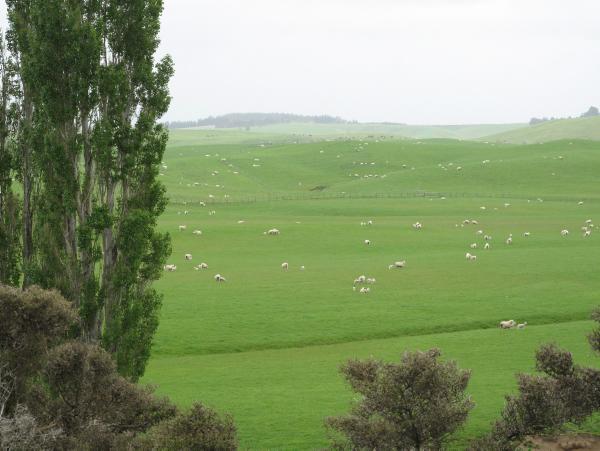
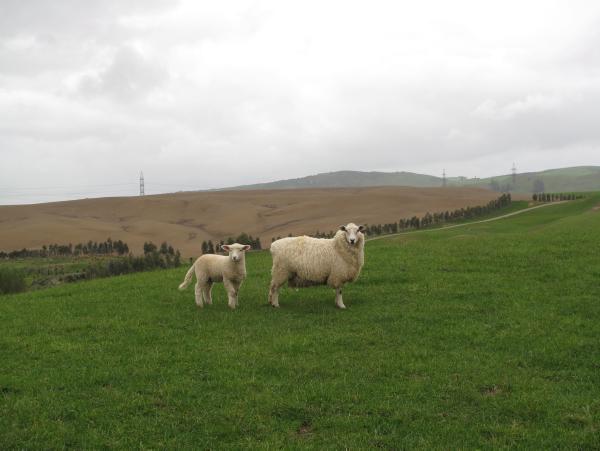
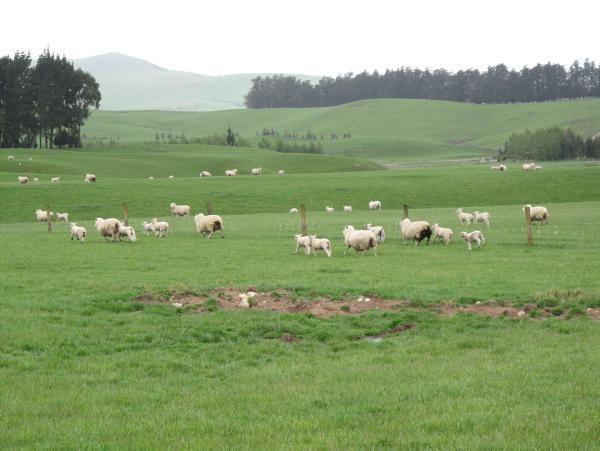
Although New Zealand is the world’s largest sheep meat exporter, the number of sheep on the islands has been declining, falling almost seven million in the last six years, to 31 million last year. You can still express interest in a residency visa as to being sheep farmer under the skilled migrant category, which applies to less absolute shortages.
Farm workers with one to three years experience can expect to earn NZ$28,000 to $40,000 (€17,371 to €24,815) per year and more experienced farmers could earn NZ$40,000 to $60,000 (€24,815 to €37,223) per year.
There are some opportunities for experienced farmers and farm managers, but given the sheer size of flocks (with the average ranging between 1,000 and 2,000 ewes) at busy times of year such as lambing and shearing, there can be more work available.
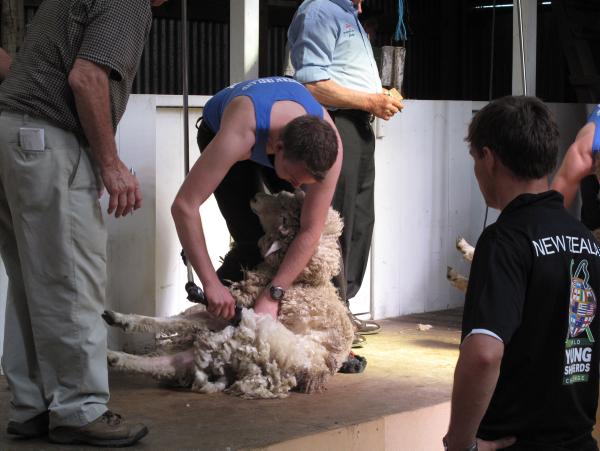
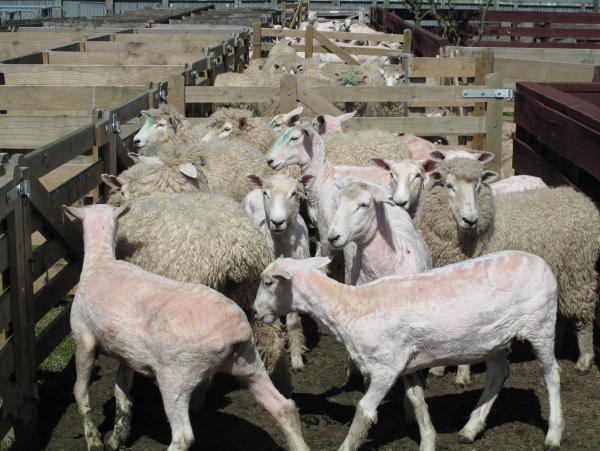
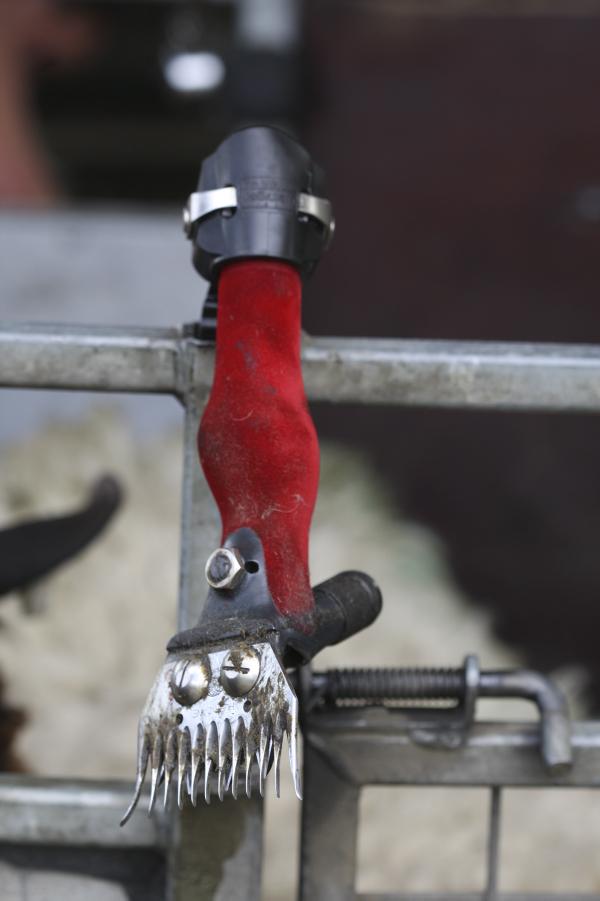
On the South Island, most sheep are shorn once, in summer from December to March, and there is also work between August and November, shearing Merino and half-bred sheep. On the North Island, sheep are commonly shorn twice a year, in summer and again prior to lambing in May to July.
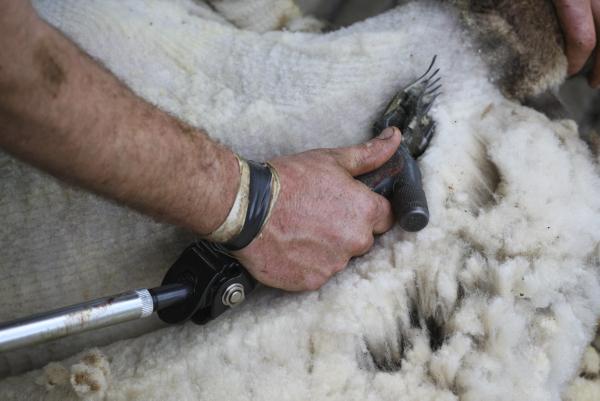
What shearers can expect to earn comes down to how productive they are, with learners shearing an average of 200 sheep a day and highly experienced shearers getting through 400 a day.
According to the New Zealand Shearing Contractors Association, with one to three years’ experience, shearers can make NZ$30,000 to $50,000 (€18,611 to €31,019) but with more experience, they can take home NZ$50,000 to $100,000 (€31,019 to €62,044) a year. It is crucial to remember that the work is seasonal and the hours are long.
||PIC2||
Although New Zealand is the world’s largest sheep meat exporter, the number of sheep on the islands has been declining, falling almost seven million in the last six years, to 31 million last year. You can still express interest in a residency visa as to being sheep farmer under the skilled migrant category, which applies to less absolute shortages.
Farm workers with one to three years experience can expect to earn NZ$28,000 to $40,000 (€17,371 to €24,815) per year and more experienced farmers could earn NZ$40,000 to $60,000 (€24,815 to €37,223) per year.
There are some opportunities for experienced farmers and farm managers, but given the sheer size of flocks (with the average ranging between 1,000 and 2,000 ewes) at busy times of year such as lambing and shearing, there can be more work available.
On the South Island, most sheep are shorn once, in summer from December to March, and there is also work between August and November, shearing Merino and half-bred sheep. On the North Island, sheep are commonly shorn twice a year, in summer and again prior to lambing in May to July.
What shearers can expect to earn comes down to how productive they are, with learners shearing an average of 200 sheep a day and highly experienced shearers getting through 400 a day.
According to the New Zealand Shearing Contractors Association, with one to three years’ experience, shearers can make NZ$30,000 to $50,000 (€18,611 to €31,019) but with more experience, they can take home NZ$50,000 to $100,000 (€31,019 to €62,044) a year. It is crucial to remember that the work is seasonal and the hours are long.
||PIC2||







SHARING OPTIONS