



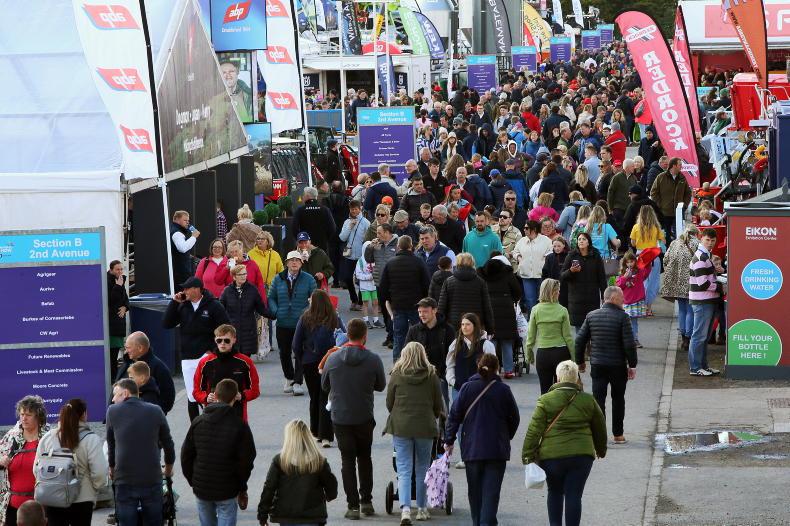
Probably the main issue on the minds of many farmers at Balmoral Show was the big cuts applied to beef prices in recent weeks and where the market might eventually settle.
This time last year, prices also came under pressure, although in the previous few weeks, the market had risen to a record high of over 690p/kg for U-3 grade cattle.
Since then, prices are back by over 100p/kg, with over half of that reduction happening since the end of February 2026. There is no doubt that beef finishers have been badly impacted over that period.
Many reasons have been put forward for the recent price cuts, including the added competition that has come from Australia and New Zealand in the wake of post-Brexit trade deals done by the previous Tory-led government.
Imports from the southern hemisphere have surged in 2026, with official UK data showing Australia tonnages up 154% and New Zealand up 615% in the first two months of the year.
Collectively, the two countries might still only account for just over 20% of all UK imports, but these imports are of high value steak meat, not forequarter beef. That is important, as being able to sell steak meat at premium prices is key to maximising the value of local cattle.
But at the same time, we have to recognise that beef is expensive in local shops and in response to rising energy costs, consumers have eased back on spending.
Those higher energy costs also impact farmers and processors, but there simply isn’t the capacity in the market to pass those costs onto consumers at present – something had to give and as usual, it is the producer at the end of the chain who takes the hit.
However, if farmers are taking £200 per head less than they were a few weeks ago, then it is fair to expect prices in shops to come down and/or more promotional activity to be done.
That should help stimulate some demand and put a floor in the market fairly soon. Despite the recent negativity, global supplies of beef remain pretty tight.




SHARING OPTIONS