



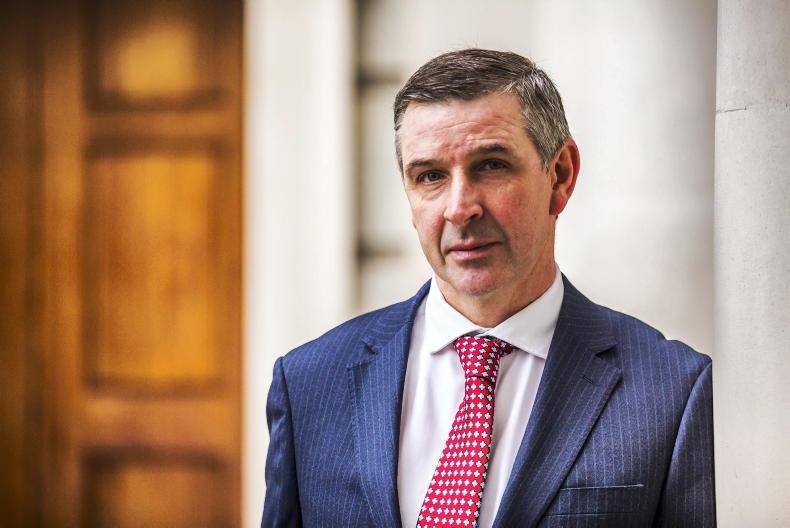
Cutting livestock numbers and scaling back farming in NI will not help improve the environment, Ian Marshall from Queen’s University Belfast has said.
“There is a lazy narrative that circulates, especially on social media, which is if we had fewer animals and fewer farmers the world would be a better place,” he said.
Speaking to Stormont’s agriculture committee, Marshall said reducing agricultural production in NI would effectively lead to “carbon leakage” across the UK.
“The people in Birmingham, Manchester and London won’t consume less dairy or red meat. They will get it from somewhere else and that’s not helpful for climate change,” he said.
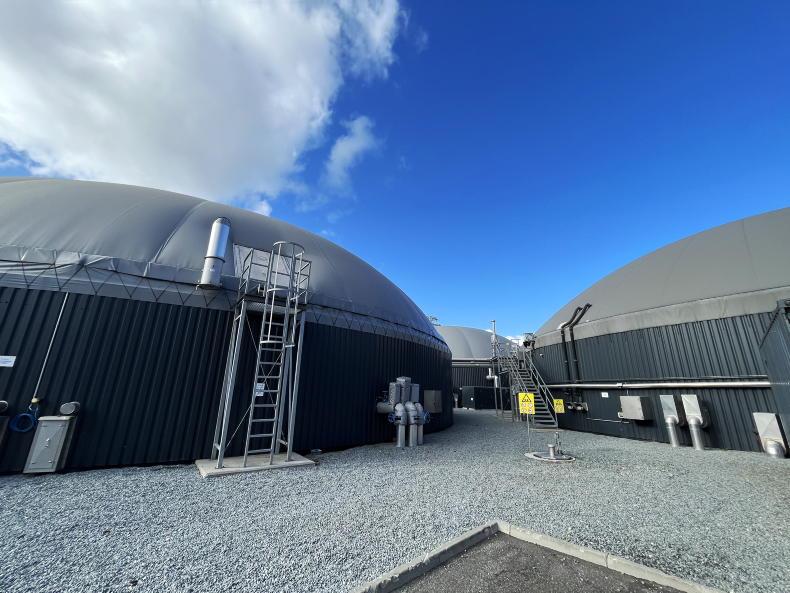
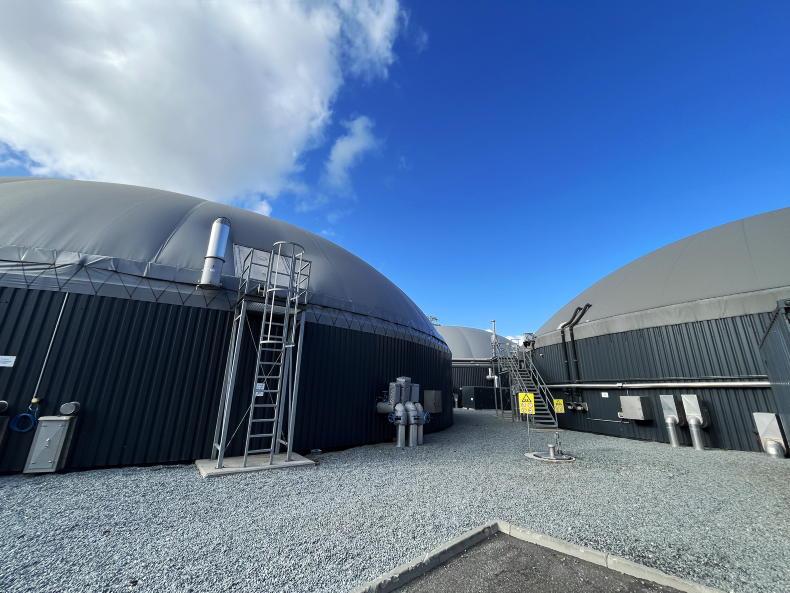
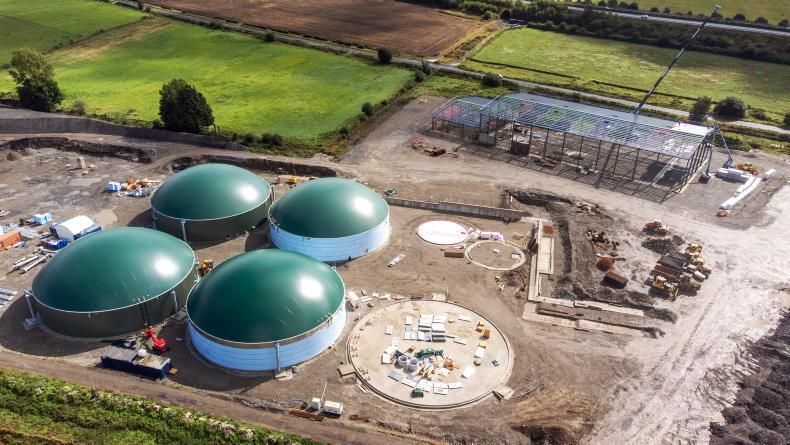
To improve the sustainability of NI farming, the former UFU president is pressing for anaerobic digestion (AD) plants and digestate processing facilities to be developed.
The idea is to remove surplus farm nutrients and improve water quality by manufacturing fertiliser products which can be used on nutrient deficient land or exported out of NI.
“This is about presenting a solution for the industry. It’s about keeping farmers compliant,” Marshall said during the meeting with MLAs at Balmoral Show. The former UFU president called for “leadership” to unblock the planning system in NI so that projects which will lead to environmental improvements can progress.
“If you can demonstrate it’s better then why on earth would you stop that kind of development?” he said.
Gas production
Energy production is the other key reason for developing AD, with Professor David Rooney suggesting that 10-15% of total energy demand in NI could be met with biomethane.
Critics of AD plants often argue that biomethane costs consumers up to five times as much as natural gas, but Rooney described these claims as “nonsense”. The Queen’s academic said wholesale natural gas costs around 4p/kWh, but when delivery charges and profit margins are added in, consumers typically pay closer to 10p/kWh.
“Future Biogas in Britain, for example, will be selling biomethane at 9p/kWh, so it’s actually coming in cheaper [than natural gas],” he said.
In his remarks to MLAs, Rooney suggested small AD plants could be built at individual farm level, but larger facilities could be funded and owned under a co-operative model. “If you can get stakeholders including farmers aligned into this, and they know that they will get a benefit of it, then they will make these things work,” he said.



SHARING OPTIONS