



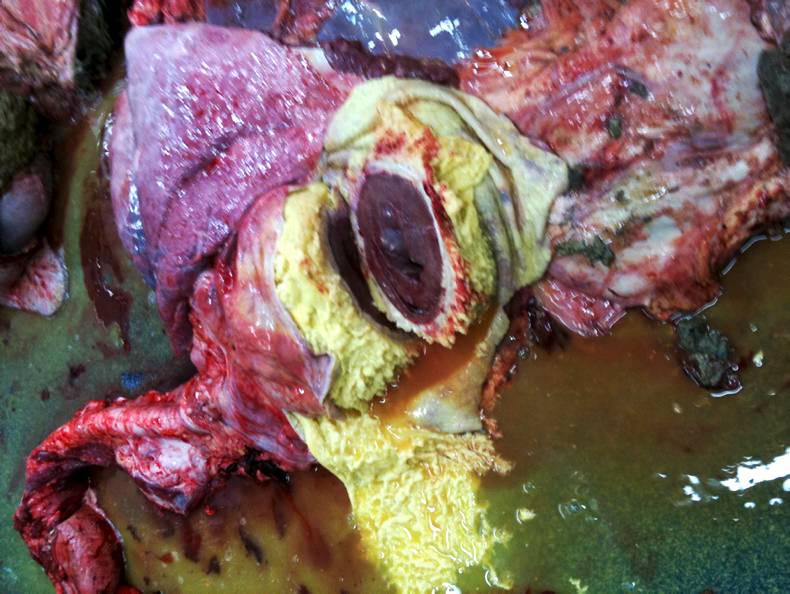
This is a disease with many names, also being called foreign body reticulitis, reticuloperitonitis and reticulopericarditis depending on the exact presenting signs.
Cause
Hardware disease is caused when an animal eats a piece of wire or sharp metal, which pierces through the wall of the cow’s reticulum (second stomach). Once the metal penetrates it allows stomach contents to leak into the abdominal cavity, resulting in peritonitonitis.
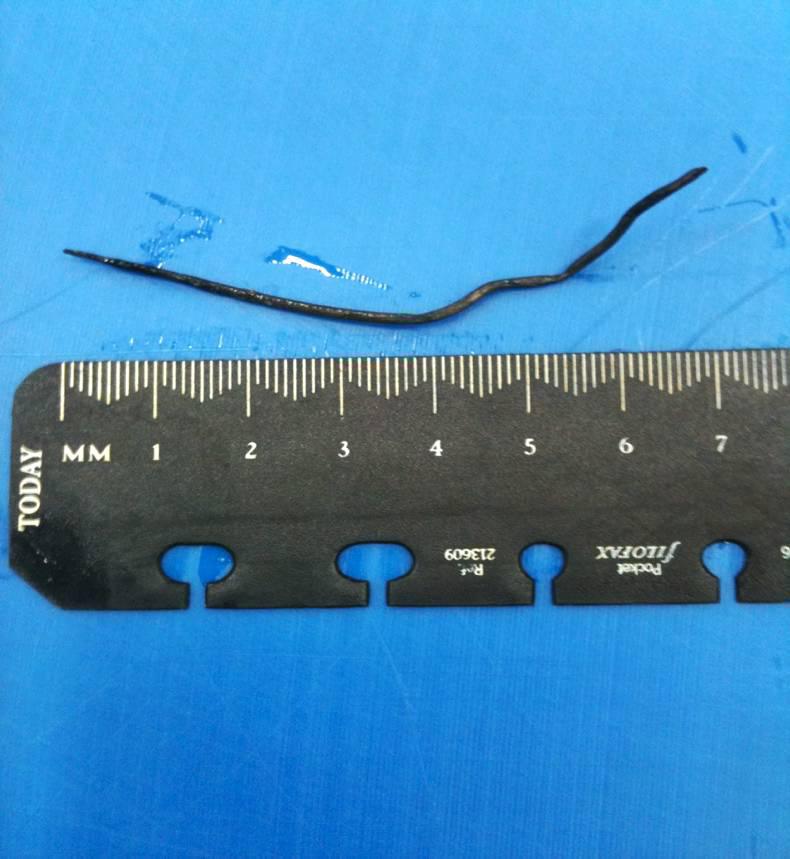
If the metal penetrates the diaphraghm and enters the pericardial sac around the heart, a pericarditis is established. It is normally the wire that is found in tyres, used in the covering of silage pits, that causes the problem. If old rotting tyres are used, there is a much higher risk of bits of exposed wire cracking off and falling into the silage, which subsequently gets eaten by the cow. The length of wire that causes a problem is also quite predictable – the majority of offending foreign bodies being 6cm to 8cm in length.
Symptoms
The symptoms of hardware disease depend on where the wire penetrates through the wall of the reticulum. If the wire penetrates through the side of the reticulum, there will be leakage of stomach contents with abscess formation, adhesions and peritonitis. The adhesions usually lead to shutdown of the forestomachs of the cow, and the condition of vagal indigestion which is usually fatal. Cows with reticuloperitonitis have an arched back due to pain in the front of the abdomen, and they will often grunt when the withers (the ridge between the shoulder blades) is pinched. They usually have stiff movement with shortened strides. If they develop vagal indigestion, the cow will show a progressive distension of the abdomen as the stomachs fail to empty.
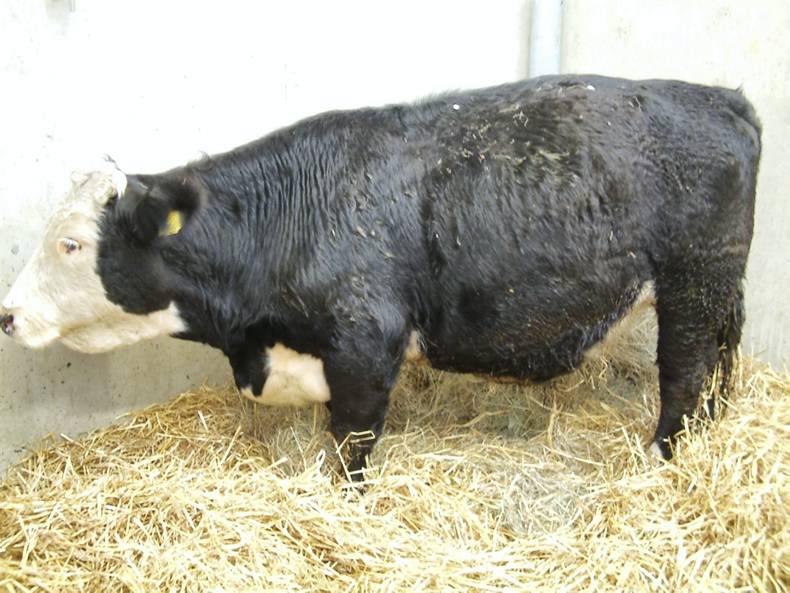
If the wire penetrates the wall of the reticulum at the level of the elbow, it usually passes forward through the diaphragm (the muscle that separates the chest from the abdomen) and into the pericardium (the lining surrounding the heart). This sets up a severe infection within the pericardium (pericarditis) which compresses the heart leading to congestive heart failure. In these cases, abdominal pain is also accompanied by distended jugular veins in the neck and the build up of oedema fluid under the jaw and at the brisket.
Treatment
In general, the prognosis is very poor with this condition. In the early stages of a reticuloperitonitis, a long course of antibiotics may help to wall off the infection and the cow may continue in production. Similarly, surgical removal of a wire in the early stages of disease, together with antibiotics, may occasionally have a successful outcome. Specifically designed magnets may be given as boluses to cows with suspected hardware disease in order to try to trap the foreign body and prevent it from migrating through the stomach wall. This, in combination with a course of antibiotics, can be successful in cases in the early stages. If heart failure or end stage vagal indigestion occurs, the prognosis for treatment is hopeless.
Prevention and control
This disease can be prevented by reducing the risk of cows being exposed to feed that could potentially contain metal fragments. Old, rotting tyres should be discarded and not used on silage pits and every effort should be made to avoid tyres falling into diet feeders. Old, unused fencing wire should be stored away from the vicinity of feed. In some herds, where there are ongoing cases, it is advisable to dose all cows with magnets as a preventative measure.




SHARING OPTIONS