


The inevitable has happened; bluetongue has landed in the South of Ireland, with two cases confirmed in Wexford over the weekend, following on from several cases identified before the new year in Northern Ireland.
It’s almost a success story how it was kept off the island for over two years with our closest neighbour’s on mainland Britain, recording 270 cases in 2025/2026.
What ramifications this has on trade to EU countries seem minor so far, but the full extent remains to be seen.
Darren Carty examines what we know so far regarding trade, with the biggest caveat currently being a ban on live exports to third countries, with Northern Ireland falling in to this category.
It’s notable that the first cases have only been identified now, in what would be seen as a low-risk period owing to low midge activity.
How long this disease was in these cows’ system – the animals showed no physical signs of infection – will be hard to pinpoint, and my thoughts are very much with the farmer affected.
What happens next is hard to predict, with no current exclusion zones in place.
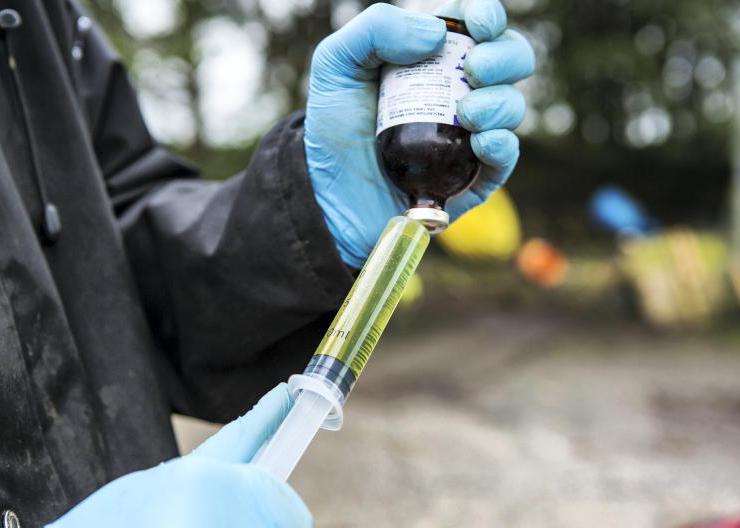
Greater information surrounding vaccination is required, with the current mantra of ‘talk to your vet’ not good enough.
For now, farmers must control what they can themselves as the organised chaos that is lambing and calving on farms looms.
Daire Cregg highlights how to prevent some prevalent metabolic diseases and infections on dairy farms this spring, something I touch on with ewes also.
Elsewhere we examine hygiene, colostrum management and bio security.
Natasha Ferguson looks at what both dairy and dairy calf to beef farmers can do regarding calf health and welfare.
Once we get the above handled on our own farm, then we have to let the powers that be look at the protocols which will have to come in regarding bluetongue.
Above all else, mind your own health over the next few hectic weeks.




SHARING OPTIONS