


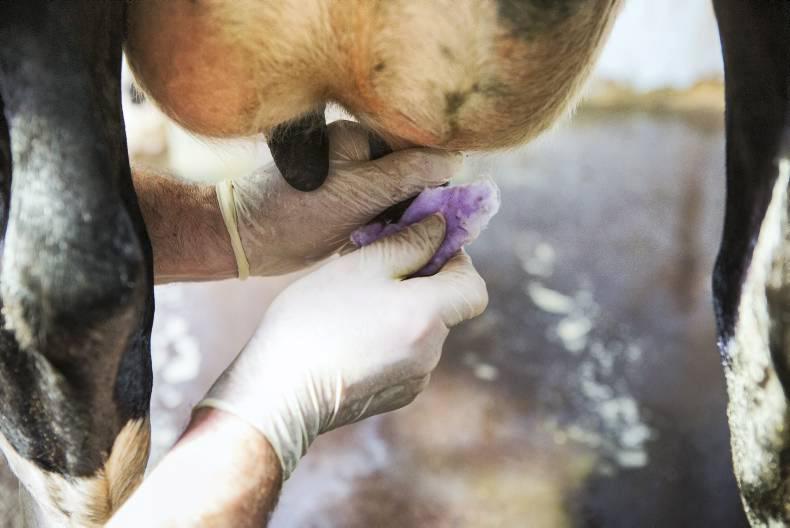
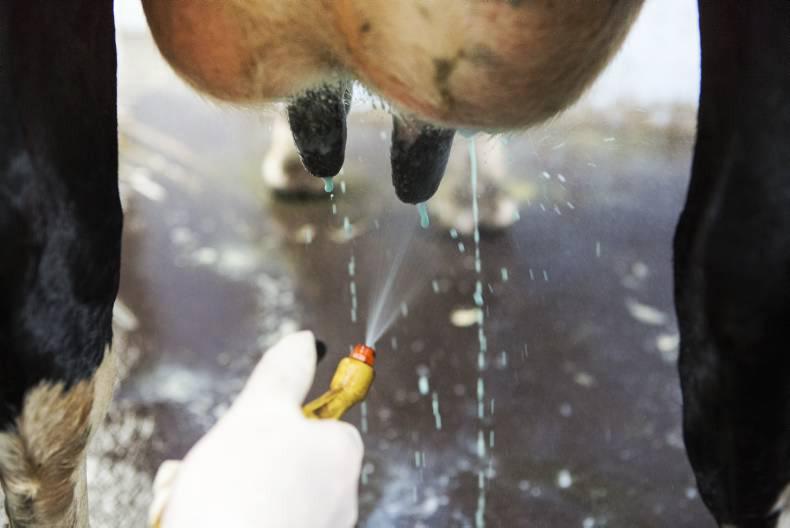
Summer mastitis or dry cow mastitis is a common condition affecting cows and heifers. It is primarily seen between May and September and has become more of an issue with autumn-calving cows.
Cause
It is caused by the bacteria arcanobacterium pyogenes, streptococcus dysgalactiae and anaerobes such as peptostreptococcus indolicus. Bacteria cannot gain entry to the udder if the teat end is closed and undamaged.
The main contributors to this condition are flies spreading the bacteria on to the teats of cows and heifers. In the case of heifers and dry cows, teat end damage from rough environments, eg scratches from thorns/briars, is necessary to predispose to summer mastitis and to facilitate entry of bacteria through weakened teat orifices. Frequently, in hot summer weather conditions or wet weather conditions, cows will seek the shade/shelter of ditches or trees leading to an increased risk of teat scratches.
Symptoms
Summer mastitis is a serious condition and can be fatal if left untreated. Once the offending bacteria gain entry to the mammary gland, they lead to severe tissue damage and the production of large amounts of toxins.
Often the first sign the farmer will notice is stiffness when the animal is walking. Due to the lack of mobility, the animal is often found lying away from the main herd. On closer inspection, the affected quarter will be hard, hot and swollen. The milk from a case of summer mastitis is thick and curd-like, with a characteristic foul smell. In most cases, toxins produced by the bacteria and the damaged tissue will gain entry into the cow’s bloodstream leading to septicaemia (blood poisoning), resulting in the animal becoming very depressed and dull.
These cows will be extremely sick and dull, with congested mucous membranes (redness around the eye), high heart rates, high temperatures (40°C or 104°F) and swollen joints. The high temperature associated with mastitis leads to the release of biochemicals in cows, which can lead to the cow aborting her calf if she is pregnant. Prompt treatment is crucial in these cases. Some cows are able to wall off the infection without showing systemic signs. Eventually, pus may burst out through the skin from the abscess formed within the affected quarter. In all cases of summer mastitis, there is irreversible damage done to the milk-producing tissue, with glandular function lost.
Treatment
When diagnosed, the infected quarter is generally lost and treatment is focused on saving the cow and preventing pregnancy loss. There is often a very poor response to antibiotic treatment in cases of summer mastitis, because the infectious bacteria can be walled off in the udder, and antibiotics cannot penetrate them. Antibiotics are often denatured or ineffective in the presence of such viscous purulent mastitis within the gland. Certainly, cows with signs of septicaemia should receive veterinary attention with antibiotics, anti-inflammatories and fluids to combat toxic shock and to prevent the spread of infection to other organs in the body.
In early cases, stripping out the mastitic milk several times a day will aid in recovery and prevent septicaemia in the cow. Surgical amputation of the teat may be required in cases where the teat end becomes blocked, stopping the removal of the necrotic material from the teat. This surgery should be performed by your veterinary practitioner under local anaesthetic, as there is a danger of serious haemorrhage (bleeding) if the amputation or carried out too high near the base of the teat. It is especially risky to perform vertical incisions in the wall of the teat.
Prevention and control
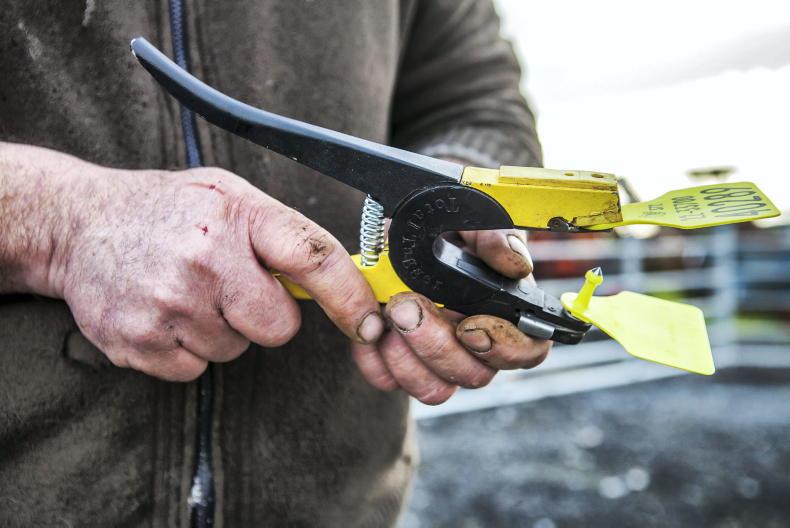
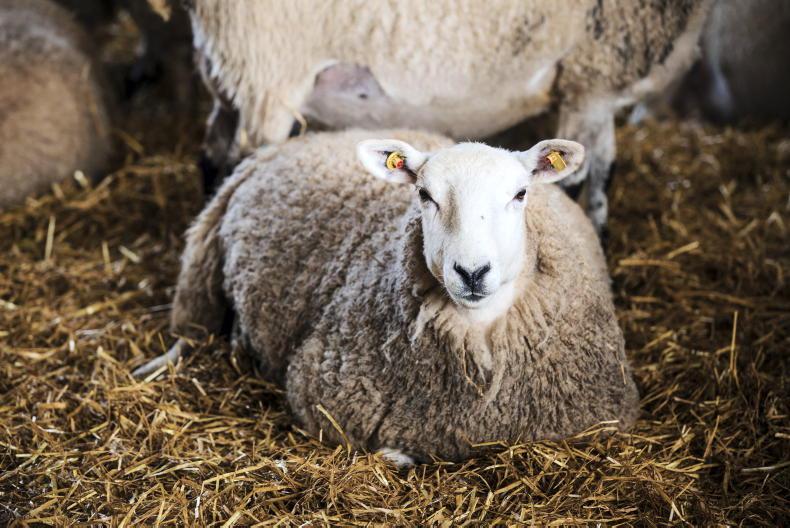
Fly control is crucial in the prevention of summer mastitis. Options for fly control include pyrethroid pour-ons, insecticidal ear tags and stockholm tar applied to the teats. Heifers and dry cows should be monitored for evidence of teat damage, which may indicate problems with the environment, as well as early cases of summer mastitis, so that treatment can be implemented quickly. In relation to dry cows, the use of teat sealers together with dry cow therapy is a very effective preventative measure and highly recommended. No matter what method of prevention you use, cows should still be checked regularly as early diagnosis is essential.
When weaned, cows should be dried off quickly by either closing them into a bare paddock or housing them. When they return back to grass you should avoid allowing them access to areas where there is likely to be a high fly population eg fields near rivers or wooded areas or fields where farmyard manure or slurry was recently spread.




SHARING OPTIONS