Summer may seem like a long way off with the spring only beginning; however, preventing summer scour syndrome is something that has to start now for all calf-rearers.
According to Animal Health Ireland, the condition is ‘relatively new’ and while not yet widely researched, the causal factors are thought to be mainly related to the pre-weaning nutrition management of calves.
While the name of the condition may be unfamiliar, many dairy and dairy-beef farmers are likely to have had experiences of calves showing the symptoms of summer scour syndrome at some stage.
What are the symptoms?
Affected animals are usually identified as scouring heavily with rapid weight losses in the weeks after turnout to grass. The scour has been noted as particularly watery leading to dehydration.
The calves’ intakes begin to drop as they become weaker and more lethargic. Rumination slows and calves will lose a lot of weight quite rapidly. In the more severe cases, calves can be found with ulcers in both the mouth and oesophagus.
The condition is usually found in calves that are grazing ‘lush’ high-nitrogen swards with low fibre-levels; this is most common in paddocks that are growing well in early summer.
The strong growth happens to coincide with calves being turned out after weaning when they have no experience or tolerance built up yet for grazing grass.
As no definitive causes have been identified, much of the information on the condition is based on theories and early-stage research.
So far, most of that research would suggest that under-developed rumens are the primary underlying factor behind summer scour.
In a rush to keep calf-rearing costs down, more farms are rushing the process by reducing the days on milk, lowering concentrate feeding and weaning calves earlier.
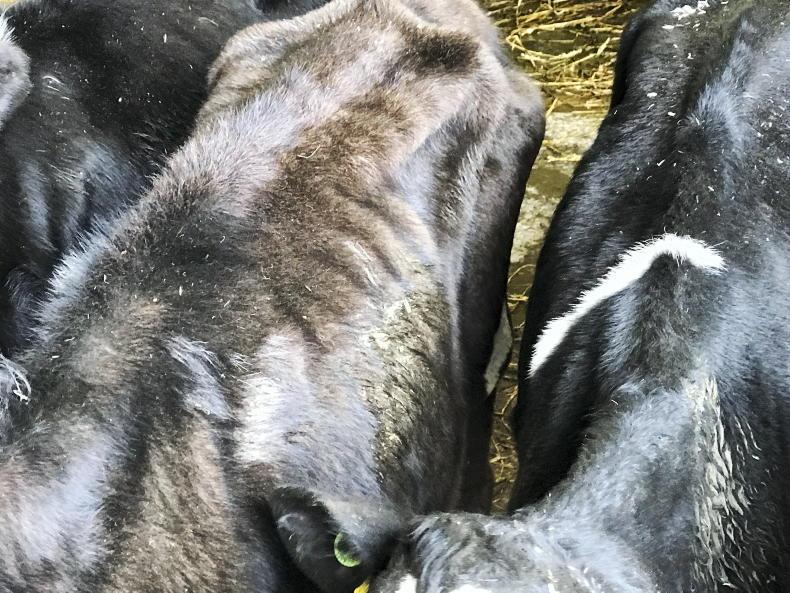
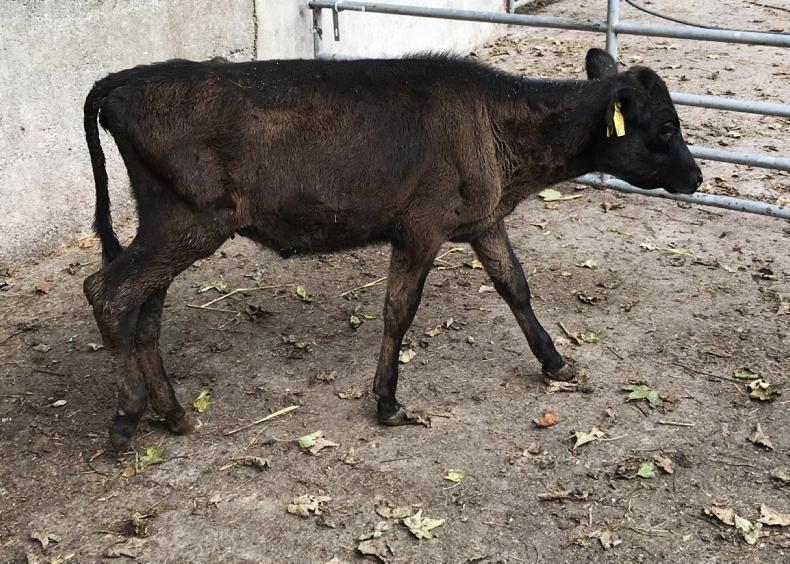
Calves showing symptoms of summer scour syndrome
In turn, this leads to calves with poorly developed rumens. Once a calf like that is turned out to grass and the diet changes from milk plus concentrates to primarily grass, the animal can be vulnerable.
This is the reason the condition is mainly found in calves at three to four months old in the first weeks after turnout.
The high nitrogen levels in the grass at that stage are then thought to cause a form of early rumen acidosis.
Acid reflux brought on by the acidosis leads to inflammation and ulcers in both the mouth and digestive tract.
As the condition is relatively new, advice on treatment is limited. The emphasis therefore is very much still on preventing the issue from occurring in the first place.
The main steps involved in developing a calf’s rumen are sufficient milk feeding with adequate access to water, concentrates and roughage (in the form of straw).
Advice from Tipperary vet Gareth McGloughlin at a recent CalfCare event, suggested calves need to be fed milk for a minimum of 10 weeks but that a 12-week feeding programme would be more beneficial, to give enough time to appropriately grow the calf’s rumen.
A calf should be offered at least 15% of their birth weight in milk, split over two daily feeds.
Once-a-day feeding is not advised in calves younger than six weeks of age as they don’t have the capacity to utilise that volume of feed so early.
Clean and fresh water is an often-overlooked aspect of calf-rearing diets, but it is essential for developing the microbes in the rumen.
Water should be offered from the first days of life to encourage calves to start drinking. It’s not something that should just become a consideration at a month old or when calves start eating concentrates.
Research shows that calves who are drinking water will eat more concentrate, leading to faster development and less post-weaning health problems.
In terms of the levels of concentrates fed, calves should be offered a starter ration ad-lib within the first week of life.
Intakes will be low to begin with, but calves should be allowed to build up to at least 1.5kg of concentrate intake per day before weaning takes place.
Ideally, the calf will be eating closer to 2kg for a minimum of three to four days before milk is removed from the diet.
Weaning should be gradual and take place over a number of weeks. If feeding six litres of milk for example, the daily feed could be reduced by 0.2 litres per calf per day until the calf is fully weaned, provided they are eating enough concentrate. The last aspect of good rumen development is roughage feeding. Calves should be offered high-quality fresh straw from a young age.
The straw causes a ‘scratching effect’ which promotes good rumen bacteria and encourages the calf to start ruminating.
When introducing calves to grass, keep in mind that they are not cows and shouldn’t be pushed to eat the same high-quality, high-nitrogen swards as cows.
As developed as the rumen might be in calves, it’s still very delicate compared to that of an adult animal and should be treated accordingly.
Stronger paddocks with some higher-fibre grass might be the best option during the initial couple of weeks of transition from milk to grass. Continue to offer at least 2kg of meal per calf per day and clean fresh water.
If grazing higher-quality swards, use strip wires to prevent calves selectively grazing the best grass all of the time and offer some roughage in the form of straw.
Summer may seem like a long way off with the spring only beginning; however, preventing summer scour syndrome is something that has to start now for all calf-rearers.
According to Animal Health Ireland, the condition is ‘relatively new’ and while not yet widely researched, the causal factors are thought to be mainly related to the pre-weaning nutrition management of calves.
While the name of the condition may be unfamiliar, many dairy and dairy-beef farmers are likely to have had experiences of calves showing the symptoms of summer scour syndrome at some stage.
What are the symptoms?
Affected animals are usually identified as scouring heavily with rapid weight losses in the weeks after turnout to grass. The scour has been noted as particularly watery leading to dehydration.
The calves’ intakes begin to drop as they become weaker and more lethargic. Rumination slows and calves will lose a lot of weight quite rapidly. In the more severe cases, calves can be found with ulcers in both the mouth and oesophagus.
The condition is usually found in calves that are grazing ‘lush’ high-nitrogen swards with low fibre-levels; this is most common in paddocks that are growing well in early summer.
The strong growth happens to coincide with calves being turned out after weaning when they have no experience or tolerance built up yet for grazing grass.
As no definitive causes have been identified, much of the information on the condition is based on theories and early-stage research.
So far, most of that research would suggest that under-developed rumens are the primary underlying factor behind summer scour.
In a rush to keep calf-rearing costs down, more farms are rushing the process by reducing the days on milk, lowering concentrate feeding and weaning calves earlier.

Calves showing symptoms of summer scour syndrome
In turn, this leads to calves with poorly developed rumens. Once a calf like that is turned out to grass and the diet changes from milk plus concentrates to primarily grass, the animal can be vulnerable.
This is the reason the condition is mainly found in calves at three to four months old in the first weeks after turnout.
The high nitrogen levels in the grass at that stage are then thought to cause a form of early rumen acidosis.
Acid reflux brought on by the acidosis leads to inflammation and ulcers in both the mouth and digestive tract.
As the condition is relatively new, advice on treatment is limited. The emphasis therefore is very much still on preventing the issue from occurring in the first place.
The main steps involved in developing a calf’s rumen are sufficient milk feeding with adequate access to water, concentrates and roughage (in the form of straw).
Advice from Tipperary vet Gareth McGloughlin at a recent CalfCare event, suggested calves need to be fed milk for a minimum of 10 weeks but that a 12-week feeding programme would be more beneficial, to give enough time to appropriately grow the calf’s rumen.
A calf should be offered at least 15% of their birth weight in milk, split over two daily feeds.
Once-a-day feeding is not advised in calves younger than six weeks of age as they don’t have the capacity to utilise that volume of feed so early.
Clean and fresh water is an often-overlooked aspect of calf-rearing diets, but it is essential for developing the microbes in the rumen.
Water should be offered from the first days of life to encourage calves to start drinking. It’s not something that should just become a consideration at a month old or when calves start eating concentrates.
Research shows that calves who are drinking water will eat more concentrate, leading to faster development and less post-weaning health problems.
In terms of the levels of concentrates fed, calves should be offered a starter ration ad-lib within the first week of life.
Intakes will be low to begin with, but calves should be allowed to build up to at least 1.5kg of concentrate intake per day before weaning takes place.
Ideally, the calf will be eating closer to 2kg for a minimum of three to four days before milk is removed from the diet.
Weaning should be gradual and take place over a number of weeks. If feeding six litres of milk for example, the daily feed could be reduced by 0.2 litres per calf per day until the calf is fully weaned, provided they are eating enough concentrate. The last aspect of good rumen development is roughage feeding. Calves should be offered high-quality fresh straw from a young age.
The straw causes a ‘scratching effect’ which promotes good rumen bacteria and encourages the calf to start ruminating.
When introducing calves to grass, keep in mind that they are not cows and shouldn’t be pushed to eat the same high-quality, high-nitrogen swards as cows.
As developed as the rumen might be in calves, it’s still very delicate compared to that of an adult animal and should be treated accordingly.
Stronger paddocks with some higher-fibre grass might be the best option during the initial couple of weeks of transition from milk to grass. Continue to offer at least 2kg of meal per calf per day and clean fresh water.
If grazing higher-quality swards, use strip wires to prevent calves selectively grazing the best grass all of the time and offer some roughage in the form of straw.
SHARING OPTIONS