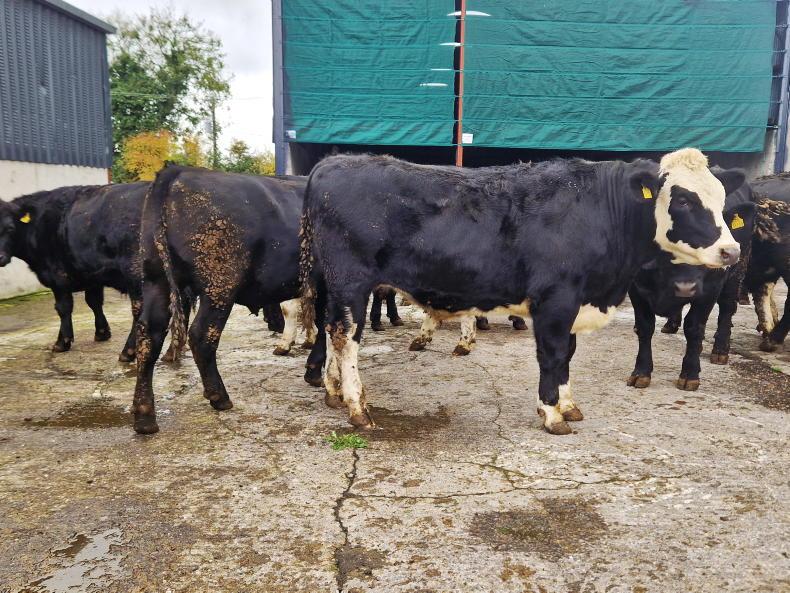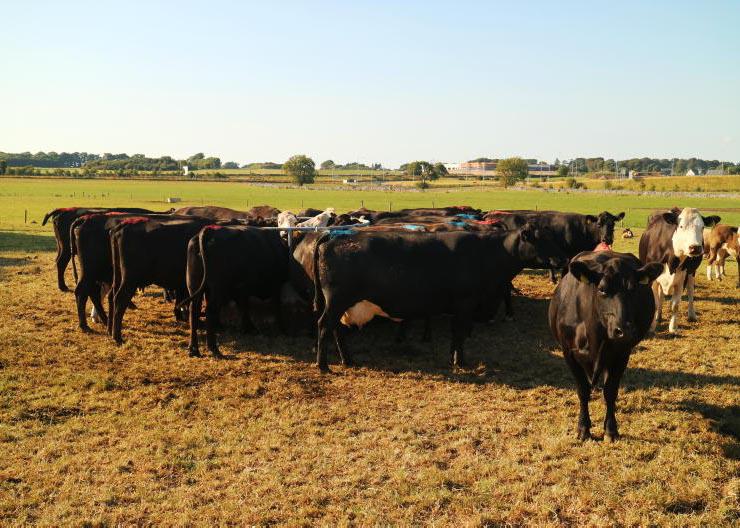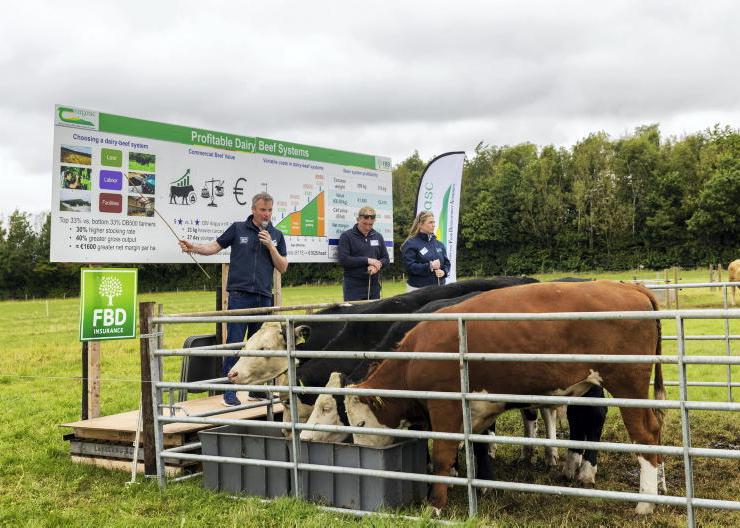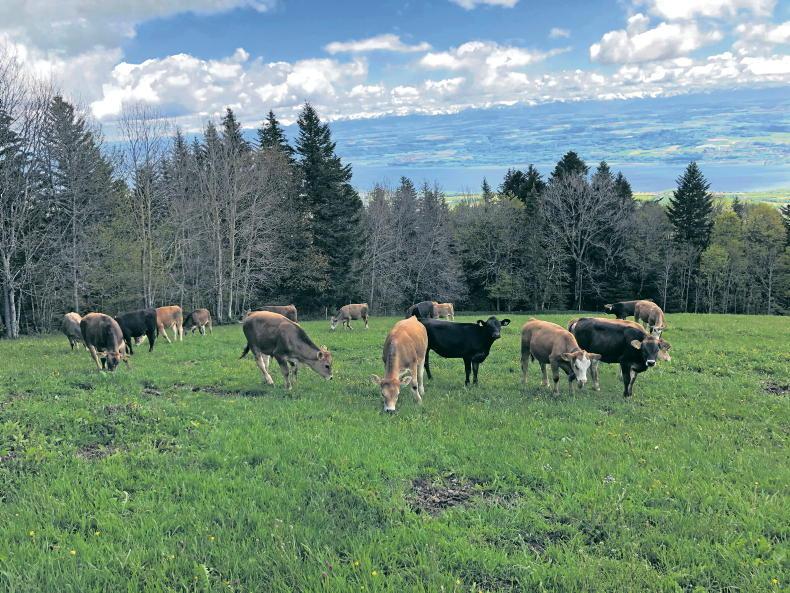
Dairy-beef is an integral component of the beef sector in Ireland. Expansion of the dairy herd, combined with our low-cost, grass-based systems have created increased opportunities for beef farmers to increase output and profitability on their farms.
Dairy-beef is also a feature of the beef sector across Europe although the production systems employed differ somewhat when compared to Irish systems.
The EU-funded Better-Calf project is focused on supporting the development of more profitable, resilient, and environmentally sustainable dairy calf-to-beef systems across north-west Europe.
The project brings together research organisations, advisory services, and industry partners to evaluate and promote practical, grass-based dairy-beef systems that deliver stronger economic returns at farm level.
By developing a network of 40 commercial dairy calf-to-beef farms in Ireland, Belgium, France, Germany, Luxembourg, and Switzerland, Better-Calf will be generating real on-farm data and identifying best practices that can be applied under a wide range of conditions.
A visit to the Better-Calf stand at BEEF2026, which will be located in the Dairy-Beef Village, will give farmers the opportunity to learn about how different European systems operate in practice. The stand will showcase dairy-beef research from our international project partners, highlighting results from a range of production systems, climates, and management approaches.
Meet and engage directly with some of our project partners from Belgium, France, Germany, Luxembourg and Switzerland who will be available throughout the day.
They will share their on-farm experiences, discuss challenges encountered in different production environments, and answer questions on system performance, calf sourcing, grazing management, and finishing strategies.
This will give farmers a unique chance to compare systems across countries, understand how different climatic and market conditions influence management decisions, and explore what practices could be adapted to Irish farms.
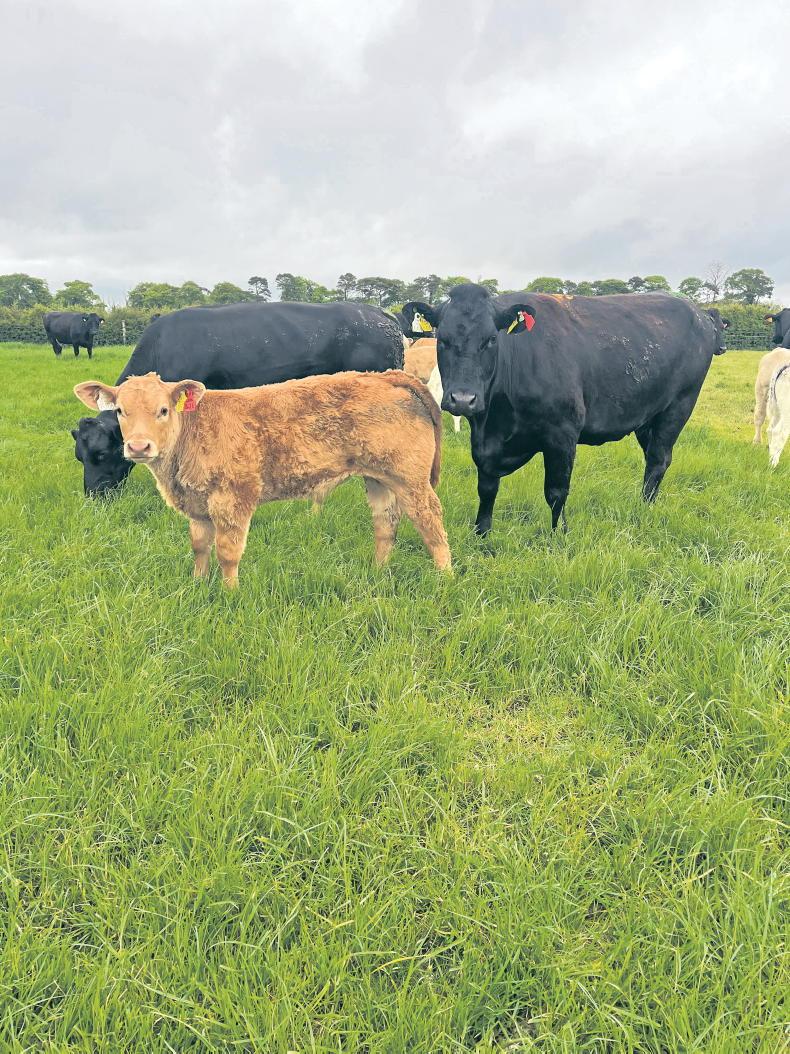
The Derrypatrick and maternal suckler herds at Grange will feature prominently at BEEF2026, with a range of practical demonstrations highlighting the key drivers of profitability in suckler systems.
There is always enormous interest and debate on the annual cost of keeping a suckler cow. Likewise, what weanling price is required to leave a profit from suckler enterprises? Of course this will range from farm to farm, but there are some key principles that help to minimise costs.
The first demonstration will examine the cost of maintaining a suckler cow for a year in Grange and itemise how this is distributed across feed, veterinary and fixed costs.
Key factors influencing these costs, such as age at first-calving, replacement rate, grazing season length, etc, will also be discussed.
The benefits of clover for suckler cow systems
Extensive research has been carried out in the Derrypatrick herd on the use of red and white clover in suckler calf-to-beef systems. In 2025, incorporating red clover for silage production and white clover in grazing swards increased net margin by €170/ha compared with conventional grass-only systems, through a combination of increased animal performance and reduced costs.
A breakdown of how this improvement in profitability was achieved will be presented at BEEF2026. The successful establishment and long-term persistence of clover within swards requires modifications to conventional grassland management practices.
Practical demonstrations on the day will show farmers how to oversow clover and manage swards to maximise persistence and performance.
Breeding tools to produce high-value suckler weanlings
Another area attracting significant farmer interest is in the area of cattle genetics, namely, the Commercial Beef Value (CBV).
The CBV is a relatively new genetic index that ranks non-breeding cattle on their expected profitability for beef production, taking account of traits affecting carcase value and feed efficiency.
A large dataset consisting of suckler-bred steers and heifers from the Teagasc Derrypatrick herd at Grange and young bulls from the Future Beef programme was used to evaluate the performance of cattle with differing CBV values.
Visitors will have the opportunity to view high- and low-CBV cattle at BEEF2026 and learn how effectively the index predicts animal performance, as well as hear about practical steps to produce higher-CBV calves within their own herds.