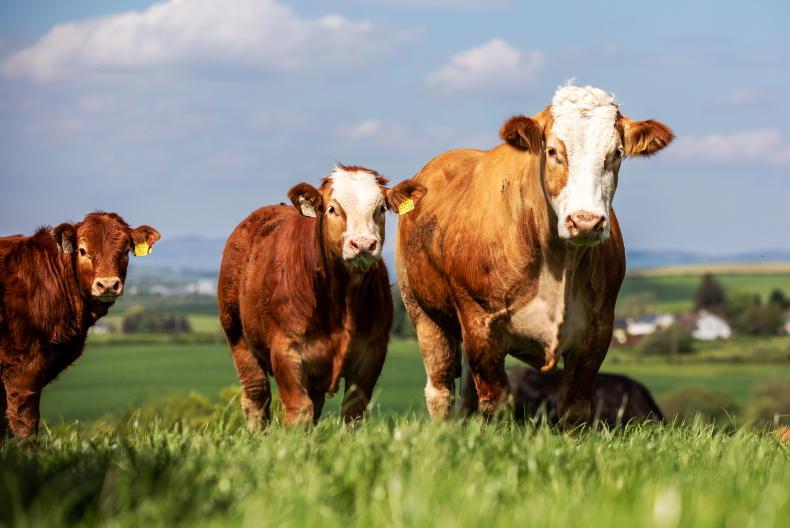
The sharp decline in the national suckler herd – where birth registrations fell by more than 250,000 head – over the last decade appears to have slowed considerably with signs of stability in numbers.
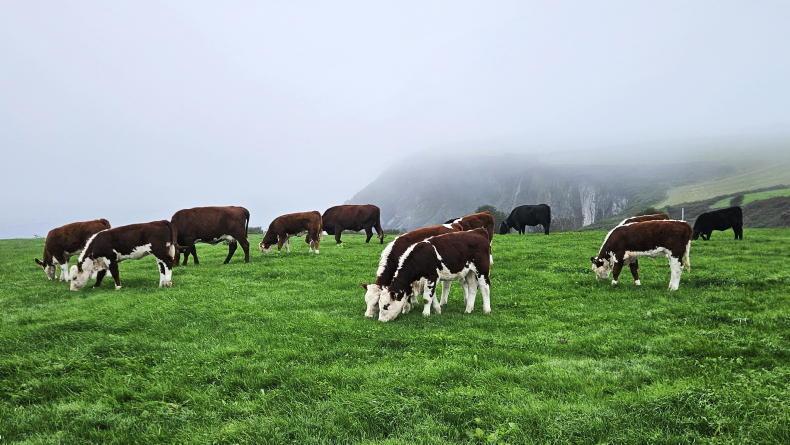
The latest Animal Identification and Movement data published by the Department of Agriculture showed 736,461 cows on farm on 1 February 2026, down just shy of 5,000 head on 1 February 2025.
There is cause for some optimism when looking at birth registration data published by the Irish Cattle Breeding Federation (ICBF).
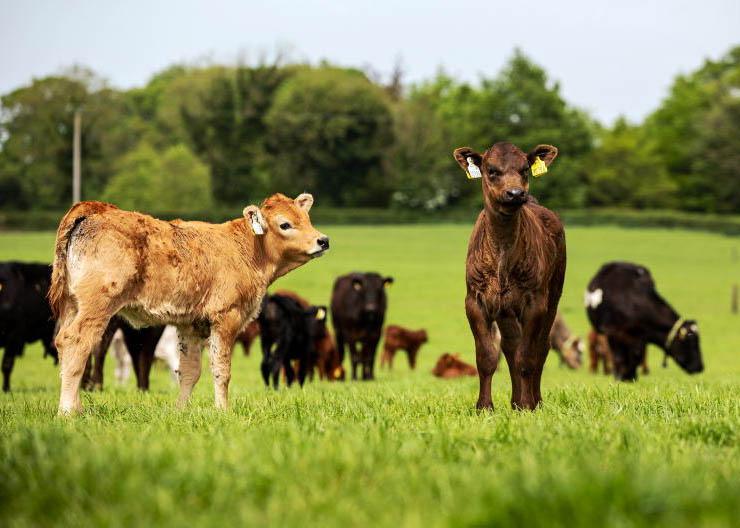
The number of birth registrations to beef cows up to the week ending 27 March stood at 184,464 head which equates to an increase of 14,269 head when compared to the corresponding period in 2025.
In addition, preliminary figures from ICBF on the number of first-calf heifers entering the herd in the period from 1 November 2025 to end of February 2026 running at over 32,500, up 5% on the corresponding period in 2025.
There is hopes of a similar recovery in Northern Ireland with the suckler herd falling to a 55-year low in 2025 and over 50% of beef calves now stemming from the dairy herd which is a new high for dairy-origin beef births.
The number of suckler cows in Northern Ireland reduced by 1.8% in 2025 to 197,109 head.
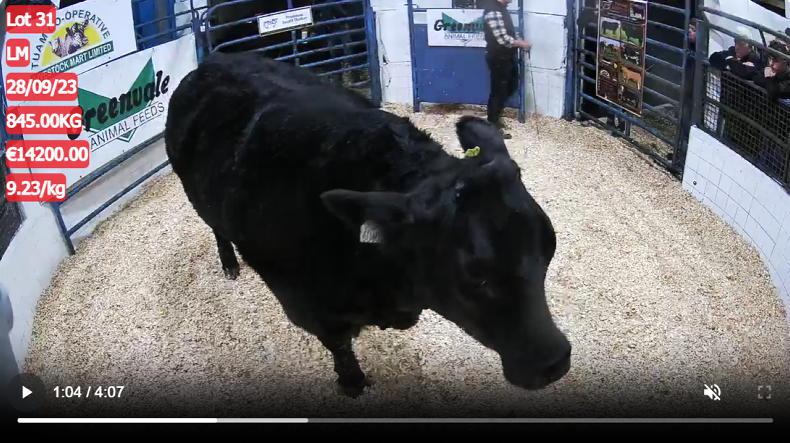
There are anecdotal reports of higher cattle sale values in 2025 inserting some well-needed confidence in to suckler production and time will tell if this materialises.
Getting back to this year’s beef breeding season, attention will soon be turning to breeding in early-calving herds.
It is a good practice to review your farm’s breeding programme each year and to question if it is delivering on its objectives.