



There is finally a bit more positivity in farming this week with the arrival of the first settled spell of weather.
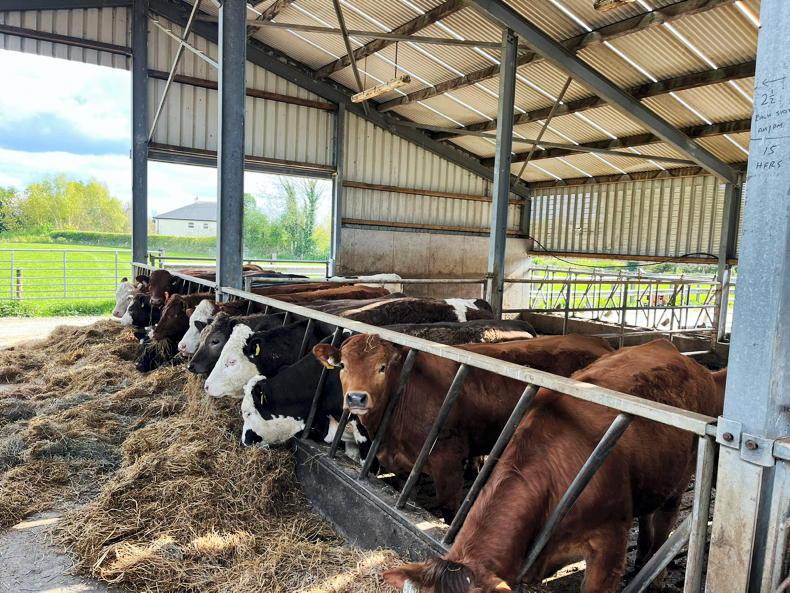
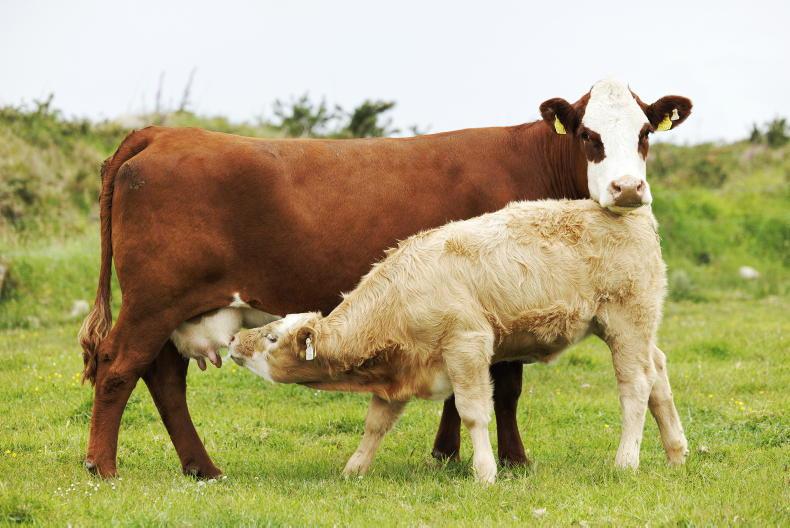
While the onset of fine weather has reduced pressure on housing, with the last 30 cows and their calves being turned outdoors on Tullamore Farm, it has ramped up the workload in other areas with delayed field work commencing.
The fact that last of the cows and calves are only getting to grass in the same week as breeding has started reflects the challenges faced by farm manager Shaun Diver in recent months.
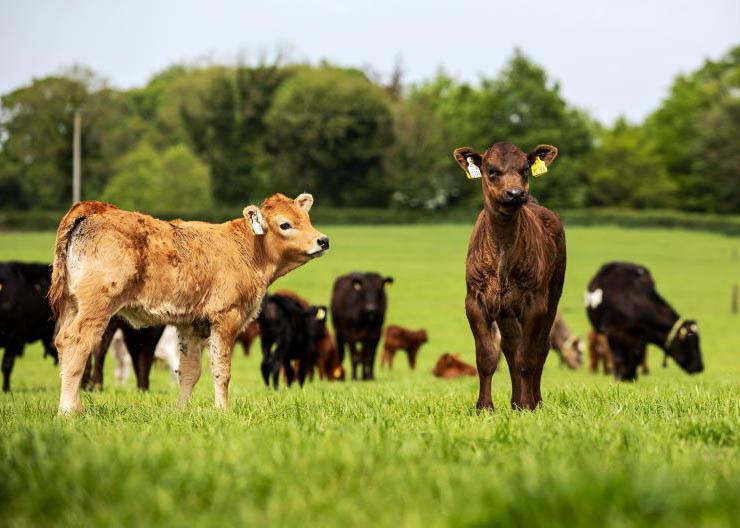
The first cows and calves were turned outdoors about a month ago but a combination of difficult ground conditions and poor growth limiting grass supplies meant that there was enough of a task to keep grass on front of these.
Breeding started in maiden heifers first with 39 heifers bred in a synchronised breeding programme. The eight day breeding programme concluded with fixed time artificial insemination (AI) on 17 April.
Conventional semen was used on 24 of the heifers, with the remaining 15 inseminated with sexed semen.
The sires used were LM5443, LM9655, LM8929, LM7416 and SA2189.
Heifers receiving sexed semen straws were inseminated five hours later than heifers receiving conventional semen (5.30pm versus noon).
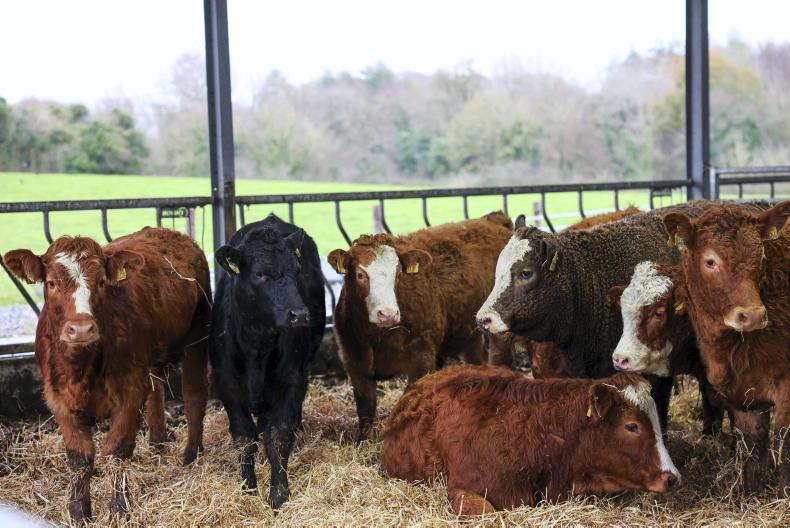
Three main criteria were used for selecting heifers to receive sexed semen – current liveweight, dam performance and Eurostar index.
Shaun Diver explains that heifers were on target in terms of achieving target mating weights (60% of mature weight at breeding) with heifers weighing 415kg on average.
The majority ranged from 370kg to 450kg with one heifer at 350kg and the heaviest at 482kg.
Explaining the rationale he said: “sexed semen presents a higher cost with sexed straws costing about €50 compared to €15 to €20 for conventional.
When you add in €30 for the synchronisation programme and €10 for insemination it brings it up towards €100 per head so you need to be getting high conception rates.
The heavier heifers are all typically the older heifers that have reached puberty well before insemination and are likely to be in a better position for breeding. I’d be hoping to hit 70% conception for this batch and 60% for conventional AI”.
Heifers remain indoors and will do so for another week to 10 days. Shaun adds that a consistent diet without significant environmental changes boosts conception and as such a decision has been taken to delay turnout. Heifers are currently receiving high-quality 73DMD silage along with 1kg concentrates and some maize silage.
The first four cows have also been served this week. The aim is to used sexed semen in the first four weeks and conventional thereafter.
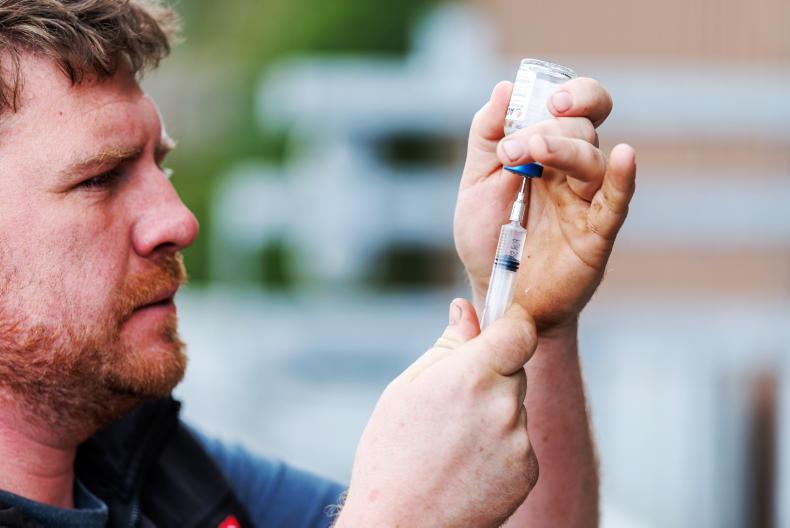
The 2026-born calves also received their first clostridial vaccination last week, alongside treatment for coccidiosis.
It was decided to blanket treat all calves when administering the clostridial disease vaccine following a clinical case of coccidiosis in one calf.
With ground conditions improved fertiliser was applied on 50 acres of ground closed for first cut silage this week at a rate of three bags of 24:2.5:10 per acre.
This ground had previously received 3,000gls cattle slurry per acre.
As there is a full pit of 2025 first-cut silage at 73 DMD still in the yard, Shaun is intending to go for a bulky first cut of silage to provide dry cow silage over the winter. He is hoping that he will not need to close a second cut and will target saving surplus grass as hay, weather permitting, or baled silage.
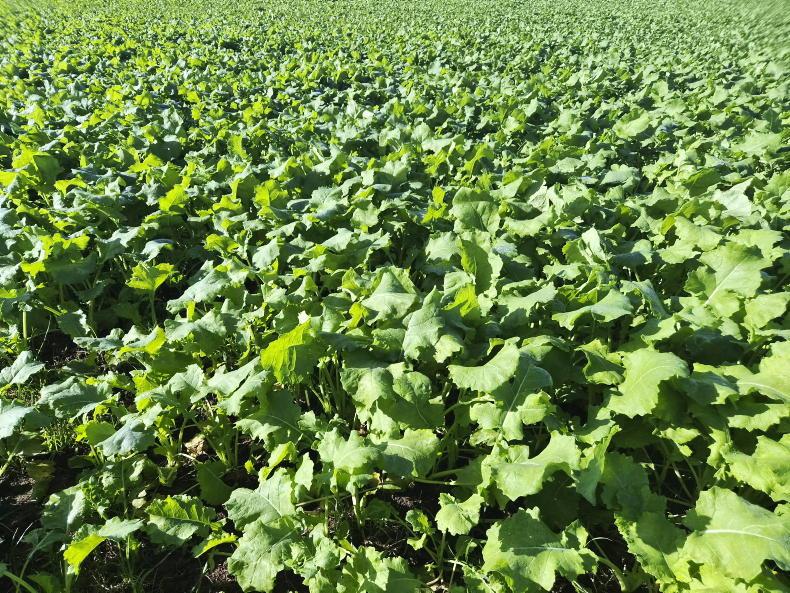
There is also 10 acres of forage rye which will likely be harvested in the next week to 10 days.
Shaun is also hoping to get nine acres which is already ploughed for spring barley tilled and sown.
Ground was ploughed in touch and go conditions and will take a few days before it can be tilled.
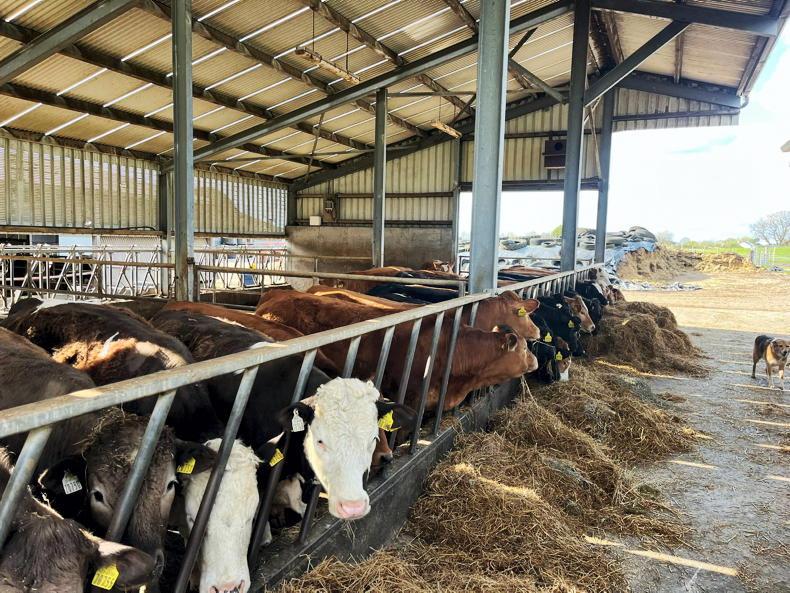
Bulls were weighed this week with a batch of 20 bulls intended for finishing at less than 16 months weighing 555kg on average. The lightest bull in the batch is 515kg with the heaviest at 640kg. It is hoped to slaughter these bulls from mid-May onwards.
Bulls are currently consuming 9kg concentrates and ad-lib maize silage. This is the first year that the farm has experimented with maize silage in finishing bulls with silage costing €95/t delivered. Bulls also have access to straw.
Another batch of eight lighter and younger bulls will be sold this week as they do not suit finishing at less than 16 months of age. These bulls currently weigh 430kg on average.
The farm has a current average farm grass cover of 783kg DM/ha, with a demand of 28kg DM/ha and a growth of 24kg DM/ha. The farm needs good growth for May, with silage ground taken out alongside the land for spring barley. There is a projected demand of 44kg DM/ha.
The farm is in a strong position should growth rates increase as expected and demand will lift further when yearling heifers are turned outdoors. Another target over the next week is to get grazing groups established with the plan to graze two batches of cows and calves with two batches of ewes and lambs in a rotational mixed grazing system.
Lambing is drawing to a close with about 10 yearling hoggets left to lamb. This year’s lambing season has been one of the most testing since the demonstration farm was established. The level of lamb mortality stood at 17 lambs before the official start date of lambing. Four triplet-bearing ewes aborted lambs in the final two to three weeks of gestation.
Foetuses and placental materials were submitted for post mortem. There was no evidence of any abortion-causing agents such as chlamydial abortion or toxoplasmosis abortion with one possible cause linked to the presence of bacillus licheniformis isolated from the stomach contents of the foetuses and foetal membranes.
The Athlone Regional Veterinary Laboratory explains that bacillus licheniformis “is a sporadic cause of abortion in sheep. It is an environmental bacterium that typically spreads through the bloodstream to the placenta, causing severe placentitis, which leads to abortion in sheep and similar in cattle. It is often found in soil, water or poorly conserved silage”.
The confusing aspect to the abortion outbreak is that the triplet-bearing ewes were housed adjacent to a pen of single-bearing ewes which experienced no issues at all. Another twin-bearing ewe died from uterine prolapse with her premature lambs also lost while one twin-bearing ewe died of an unexplained cause.
Mortality around lambing itself was low at 4% but as is the case on a high percentage of farms this spring there were nine or 10 lambs lost due to harsh weather conditions and fox attacks once turned outdoors.
This leaves lamb mortality from pre-lambing in the region of 11%.
Figure 1 details the lambing spread from the commencement of lambing up until 15 April.
As can be seen upwards of 70% of sheep lambed in the first three weeks of lambing. Yearling hoggets were mated after the first breeding cycle in mature ewes for a period of three and a half weeks.
Figure 2 details an overview of lambing difficulty. Voluntary assistance is situations where a ewe may have been lambing and was assisted to make sure no issues occurred due to factors such as Shaun heading away from the yard or during final night time checks. Only 5% of ewes were categorised as requiring significant assistance but no veterinary intervention was required.
Shaun comments that the birthweight of lambs was on target at an average of 5.4kg (singles 6.97kg, twins 5.38kg, triplets 4.48kg).
The maximum weight recorded was 8.9kg for a Charollais lamb while the minimum recorded was 2.3kg for an Easycare lamb from a triplet litter. Table 2 details lamb birthweight averages by breed.
Easycare lambs had the lowest birthweight average of 4.17kg. These ewes were lambed outdoors and Shaun says that the ewes performed well despite the inclement weather for much of the lambing period.
A few ewes and lambs were brought inside as a precaution during the worst of the weather but by and large most ewes lambed and remained out.
Charollais lambs had the highest average birthweight but this is also influenced by a higher number of single litters in two-tooth and yearling hoggets.
The ewe milk yield score is an assessment of the milk yield of ewes at lambing. This can be subjective but it is a useful resource to compare performance within a flock and is particularly beneficial to review when selecting replacement ewe lambs for retaining. Over 80% of ewes had a milk yield score of four or five.
Ewe-mothering ability is again subjective but is a useful indicator of ewe maternal performance. It is not surprising that 90% of ewes in the flock scored four or five given the influence of Mule and Easycare genetics.
Lambs received treatment for coccidiosis last week with Shaun fearing a challenge at a younger age given the tougher conditions in recent weeks.
A clostridial vaccination was also administered to lambs aged over three weeks of age and all sheep were run through a footbath.
A decision has been taken to vaccinate ewes for the bluetongue virus with Bultavo-3 the vaccine selected. The vaccine can be administered after one month of age with a single injection of 1ml sufficient for sheep for a year’s cover.



SHARING OPTIONS