



Much of the country is now feeling the effects of the ongoing drought. While farms in the west and north-west remain around 10 days to two weeks behind those in the east and south in terms of grass growth, they too are beginning to experience the impact of the prolonged lack of rainfall.
The focus here is on how farmers can manage diets over the coming weeks in the most cost-effective way possible.
Supplementary feeding will inevitably increase costs, but the type of feed used can make a significant difference to the overall bill.
Costs
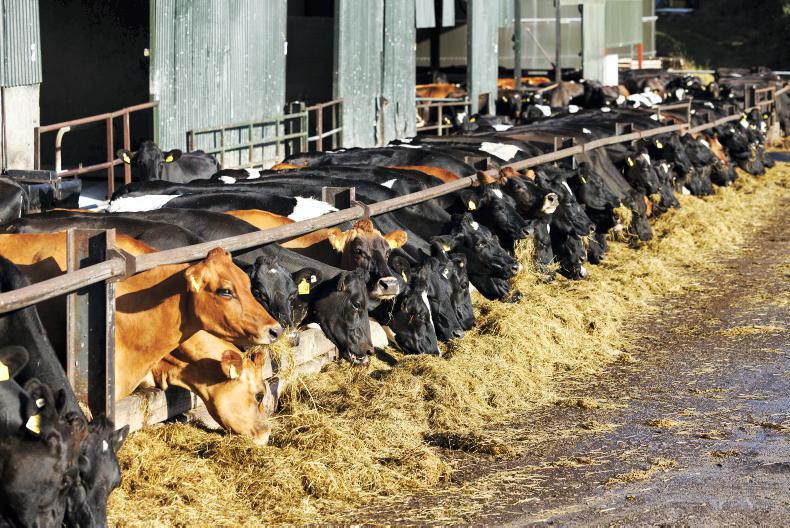
Silage, maize, meal, palm kernel and native grains are the most common feeds being used on farms at the moment to supplement.
Depending on the supplement(s) of choice and proportion of each in the diet, the cost of feeding can vary substantially.
A study carried out by Teagasc on the costs of different feeds in 2026, produced the figures in table one below.
In the table there are two sets of costs.
The first set are without a land charge and the second set of figures are including a land charge of €300/acre.
Farms will differ with some operating business’ that are entirely owned while others may be renting outblocks, milking platform or purchasing silage and the costs should be used accordingly.
The figures are based on the cost per utilised kilogram of dry matter, which for the majority of feeds will be higher than the cost per kilogram grown as utilisation rate is typically lower than 100%.
As grass is already very scarce on farms in the east and south, these farms are only able to allocate small amounts of grass each day.
Farms in the west are roughly two weeks behind this so the levels of supplement being fed will be much lower and these calculations may not be as relevant to those farms just yet.
Based on the figures in Table 1, we can take an example of two farms. In the example, we’re assuming each farm is running 100 cows on fully owned farms and therefore land charges are not included.
Farm A is allocating 6kg of grass, 6kg of meal and 6kg of surplus bale silage.
The concentrates are being fed in the parlour at the €350/tonne cost.
The daily diet of each cow is costing farmer A, €4.56. To feed the 100-cow herd, the cost is €456.
Farm B is also allocating 6kg of grass, 2kg of meal, 4kg of a mix of native grains and palm kernel and 6kg of bale silage.
The total cost of this diet is €4/cow or €400 for the full herd.
By feeding a proportion of the concentrates as native grains or palm kernel instead of all 6kg coming from meal in the parlour, the farm is saving €56/day.
Assuming the drought continues and that farm is forced to supplement for three weeks, the saving in cost is €1,176 (€56 x 21 days).
This example highlights how small tweaks in the diet can generate significant savings in a year where every euro matters that bit more.
Regardless of the how the diet is mixed, feeding heavily costs money.
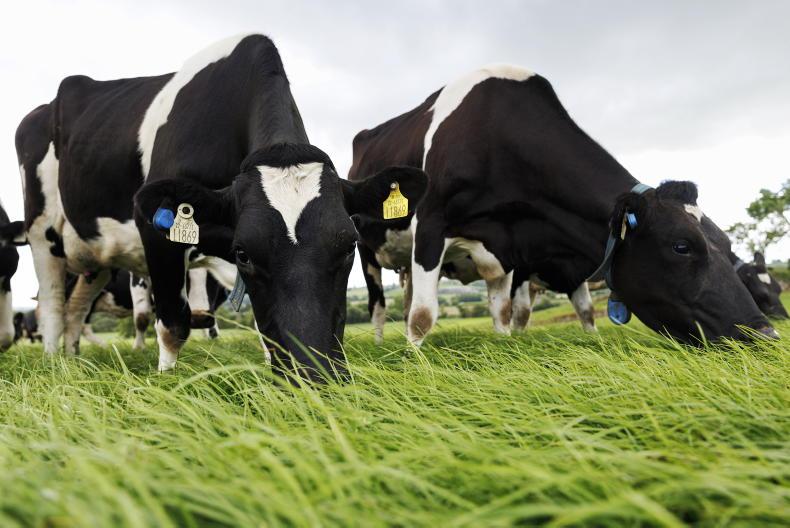
The cost of grazed grass at seven cent per kilo of dry matter is at least three times cheaper than any of the alternative feeds. With this in mind, cows should be left to clean paddocks out completely to a residual of 3.5cm.
Dry matter level is extremely high at the moment, anywhere from 22% to 26% and therefore, there is more grass left in paddocks than people think.
An extra 2kg/cow of grass grazed in a day is saving the 100-cow farm over €30/day on the next cheapest feed alternative.
When budgeting costs over the coming weeks, keep in mind the most important time to feed will be when the rain does eventually come.
The first 10 to 14 days post-rain is the opportunity to let farm cover build and pre-grazing yields rise.
Based on the longer-term weather forecast, this could mean another month of feeding is very probable in some regions and farms should plan accordingly.




SHARING OPTIONS