With a continued emphasis on timely and accurate calf registrations, the Department of Agriculture is encouraging more farmers to take advantage of online registration. Registering calf births online significantly cuts down on errors associated with paper registrations.
The main errors in paper registrations continue to be issues in reading handwriting, incorrect information entered (tag details of calf/dam and sire details) and late registrations (over 27 days). These errors are generally identified during an online registration and must be corrected before the registration will be processed.
Late registrations
The greatest threat to farmers is in late registrations, as failure to register calves within 27 days of age can lead to penalties on direct EU payments through cross-compliance (depends on severity of non-compliance) or penalties on other schemes.
The terms and conditions of both the Beef Data Programme (BDP) and the Beef Genomics Scheme (BGS) require calves to be tagged and registered within 27 days of age. They are firm on the deadline, stating “it is not sufficient to post the registration form on day 27”. Late registrations are deemed ineligible for payment.
It is also recommended to register calves at the same time as collecting and submitting BVD tissue tag samples to ensure there are no discrepancies between the date tissue samples are received and logged on the system and the date animals are registered. Furthermore, registering calves at the same time as submitting samples will speed up dissemination of results as the Irish Cattle Breeding Federation (ICBF) is not allowed to distribute results until animals are registered.
Registration procedure
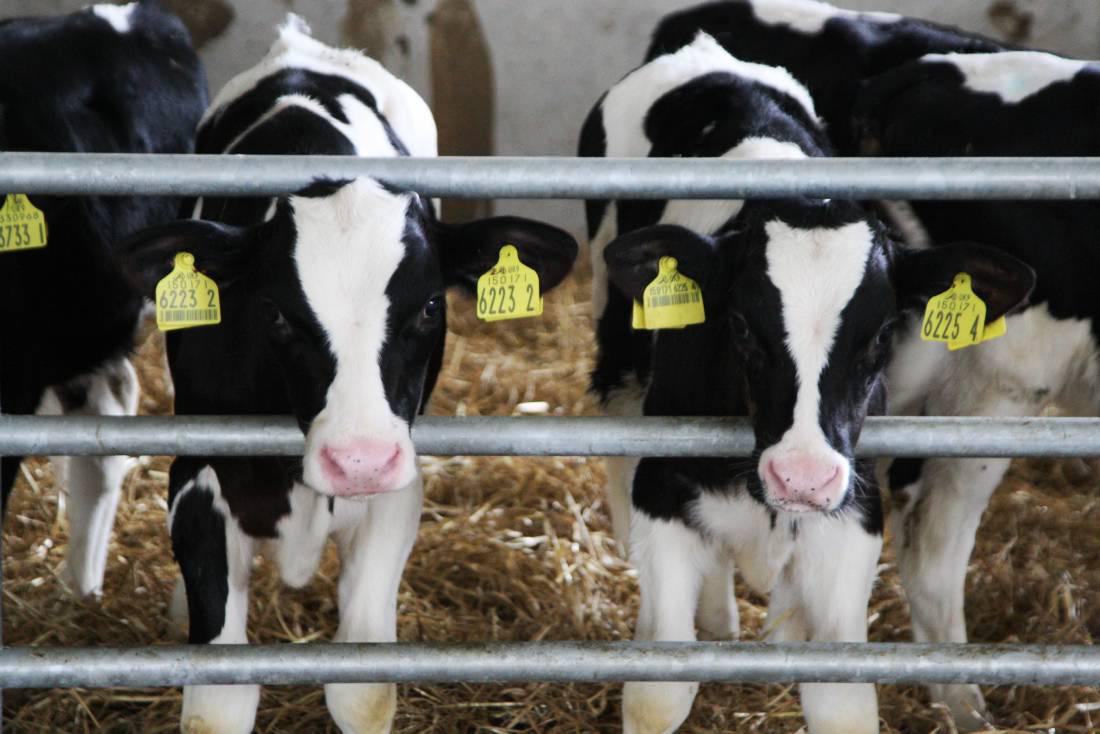
Department of Agriculture rules state that calves must be tagged in both ears within 20 days of birth or before the calf leaves the holding if earlier than 20 days. Calves must be registered with the Calf Birth Registration Agency within seven days of tagging (and within 27 days of birth). Details must also be supplied accurately on the date of birth along with dam and sire details on each registration.
Online registration
Online registrations can take place through the Department’s Agfood.ie online facility or through farm software packages. Farmers can register as a user on the Agfood system by following the link on www.agriculture.gov.ie or at agfood.agriculture.gov.ie. Information required is straightforward with possibly your PPS (formerly PPSN) the only information you may need to source.
Applicants should note that registration is not instantaneous. After a submission for registration has been made, the Department will send you a seven-digit PAC number. Three digits of this number will be required every time you log on to your account along with the username and password selected at registration (remember to record these details).
In addition to registering calves, the Agfood facility offers a wide range of services including access to your Basic Payments, animal identification and movements and nitrogen and phosphorus statements.
Trading calves
Before calves can leave a herd, they must possess two tags and a valid passport (blue card) signed by the current owner/keeper. The passport must go with the calf to the new keeper/owner. Calves aged under 42 days of age can be moved without testing provided the herd is free of TB.
Herds with tests overdue or where more than 12 months has elapsed will be restricted and only able to move cattle out of the herd for direct slaughter and even then only for a limited timeframe.
eradication timeline
While on the subject of tagging and farmer schemes, to comply with the Beef Genomics Scheme or BGS for short, all animals with a positive or inconclusive BVD test result must be removed to the knackery and have a date of death recorded on the Animal Identification Movement (AIM) system within seven weeks of the date of the initial positive or inconclusive test in order to be eligible for aid under the programme.
Read more
Read the full Calf Focus supplement
With a continued emphasis on timely and accurate calf registrations, the Department of Agriculture is encouraging more farmers to take advantage of online registration. Registering calf births online significantly cuts down on errors associated with paper registrations.
The main errors in paper registrations continue to be issues in reading handwriting, incorrect information entered (tag details of calf/dam and sire details) and late registrations (over 27 days). These errors are generally identified during an online registration and must be corrected before the registration will be processed.
Late registrations
The greatest threat to farmers is in late registrations, as failure to register calves within 27 days of age can lead to penalties on direct EU payments through cross-compliance (depends on severity of non-compliance) or penalties on other schemes.
The terms and conditions of both the Beef Data Programme (BDP) and the Beef Genomics Scheme (BGS) require calves to be tagged and registered within 27 days of age. They are firm on the deadline, stating “it is not sufficient to post the registration form on day 27”. Late registrations are deemed ineligible for payment.
It is also recommended to register calves at the same time as collecting and submitting BVD tissue tag samples to ensure there are no discrepancies between the date tissue samples are received and logged on the system and the date animals are registered. Furthermore, registering calves at the same time as submitting samples will speed up dissemination of results as the Irish Cattle Breeding Federation (ICBF) is not allowed to distribute results until animals are registered.
Registration procedure
Department of Agriculture rules state that calves must be tagged in both ears within 20 days of birth or before the calf leaves the holding if earlier than 20 days. Calves must be registered with the Calf Birth Registration Agency within seven days of tagging (and within 27 days of birth). Details must also be supplied accurately on the date of birth along with dam and sire details on each registration.
Online registration
Online registrations can take place through the Department’s Agfood.ie online facility or through farm software packages. Farmers can register as a user on the Agfood system by following the link on www.agriculture.gov.ie or at agfood.agriculture.gov.ie. Information required is straightforward with possibly your PPS (formerly PPSN) the only information you may need to source.
Applicants should note that registration is not instantaneous. After a submission for registration has been made, the Department will send you a seven-digit PAC number. Three digits of this number will be required every time you log on to your account along with the username and password selected at registration (remember to record these details).
In addition to registering calves, the Agfood facility offers a wide range of services including access to your Basic Payments, animal identification and movements and nitrogen and phosphorus statements.
Trading calves
Before calves can leave a herd, they must possess two tags and a valid passport (blue card) signed by the current owner/keeper. The passport must go with the calf to the new keeper/owner. Calves aged under 42 days of age can be moved without testing provided the herd is free of TB.
Herds with tests overdue or where more than 12 months has elapsed will be restricted and only able to move cattle out of the herd for direct slaughter and even then only for a limited timeframe.
eradication timeline
While on the subject of tagging and farmer schemes, to comply with the Beef Genomics Scheme or BGS for short, all animals with a positive or inconclusive BVD test result must be removed to the knackery and have a date of death recorded on the Animal Identification Movement (AIM) system within seven weeks of the date of the initial positive or inconclusive test in order to be eligible for aid under the programme.
Read more
Read the full Calf Focus supplement






SHARING OPTIONS