In the past few years, tractor manufacturers have made numerous changes to tractors as required by EU law. Various emissions standards are the most recent of these, but from 1 January 2018, a new EU regulation took effect governing tractor design to make them safer for the operator.

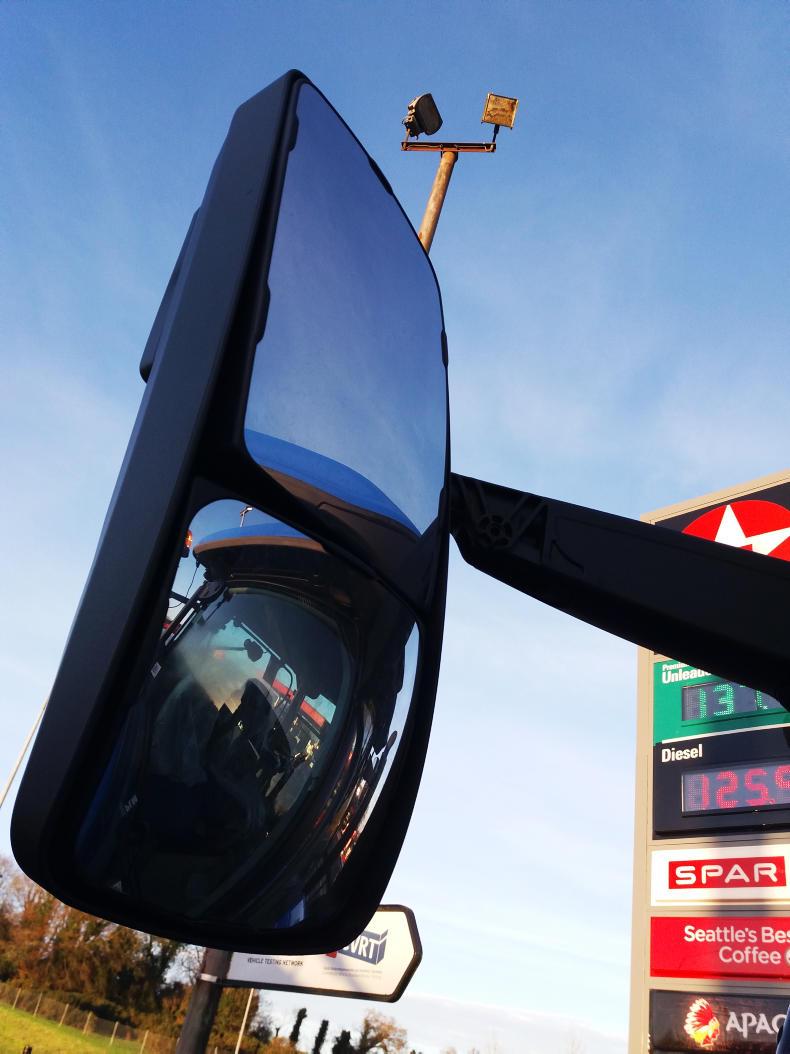
Dual mirrors are now a requirement under TMR.What is TMR?
TMR stands for tractor mother regulation. First published on 5 February 2013, this EU-type approval (167/2013) came into effect on 1 January 2018 with the aim of harmonising production standards for tractor manufacturers across the EU.
TMR is a European regulation governing the approval framework for agricultural and forestry vehicles, such as tractors, trailers and towed equipment. However, tractors will form the core focus of TMR.
TMR outlines a number of changes that need to be made to tractor-trailer emergency braking performance, warning indicators, engine and safety guard access and handrails. This should lead to higher tractor production standards across Europe and lower manufacturing costs for tractor companies.
Similar components will be used across a number of tractor makes, but from the investigations the Irish Farmers Journal has made, tractor prices look like they will actually rise in some instances.
What tractors does it affect and in what way?
It covers all types of new tractors registered from 1 January this year in all power categories. Any tractor registered from this date will have to comply with these requirements, unless it is part of a derogation secured by the FTMTA.
This derogation allows for non-TMR tractors to be sold in 2018, ie those tractors in importers’ or dealers’ yards that are non-TMR not yet registered. This has been calculated as 10% of total tractor sales for each brand for the two-year period between 1 October 2015 and 30 September 2017.
The upper derogation limit of 10% or carry-over cannot be exceeded, but gives all manufacturers selling in Ireland a chance to sell some non-TMR tractors in 2018.

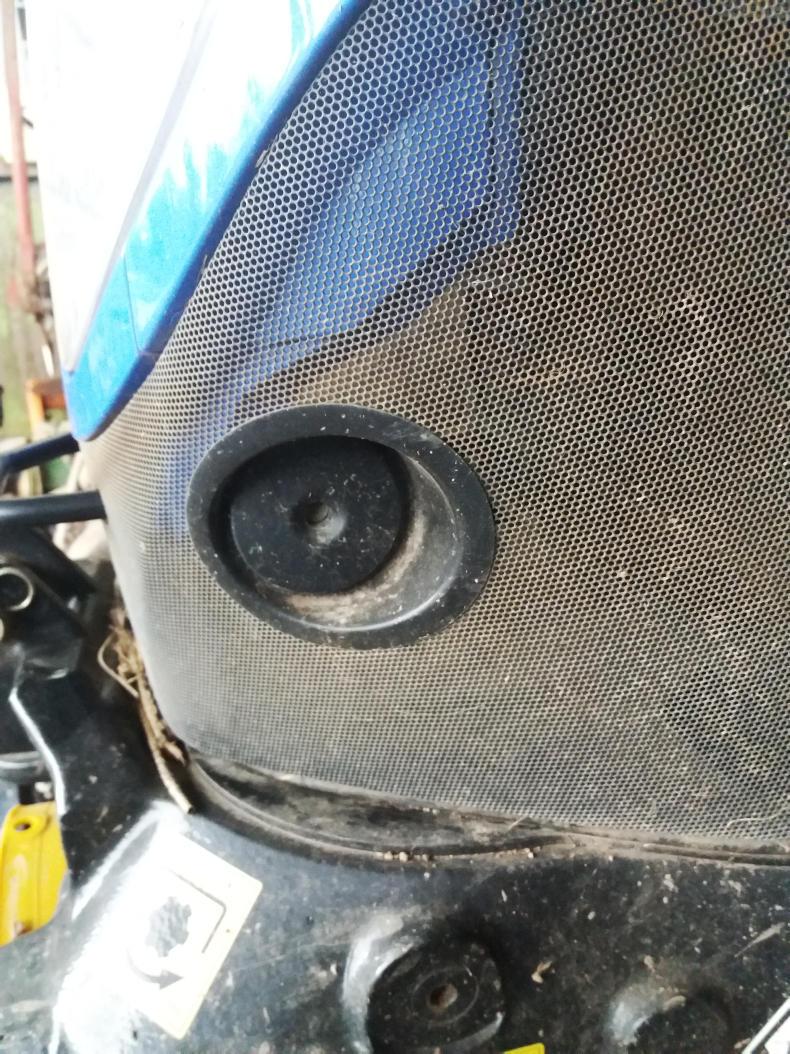
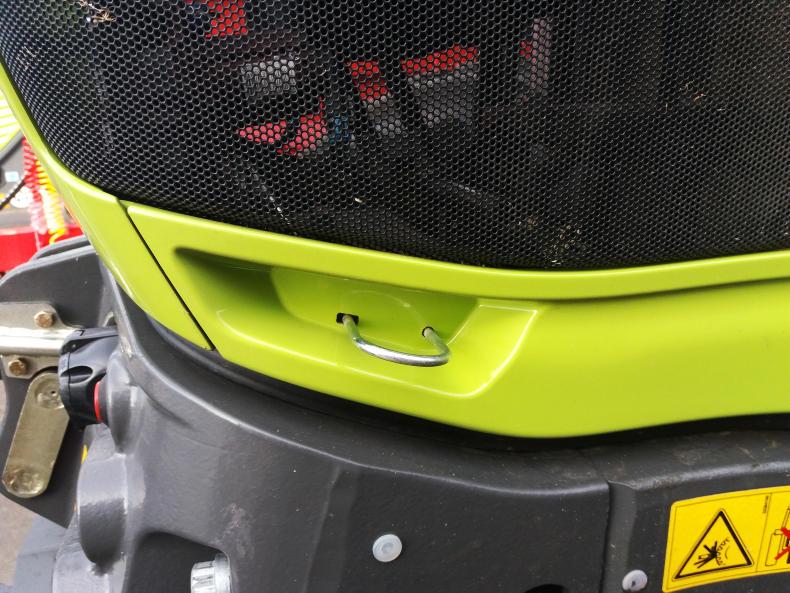
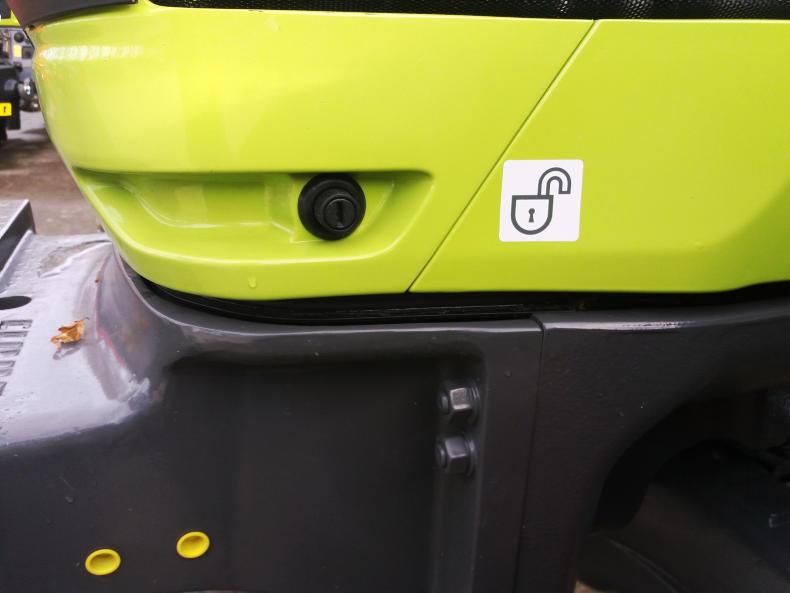
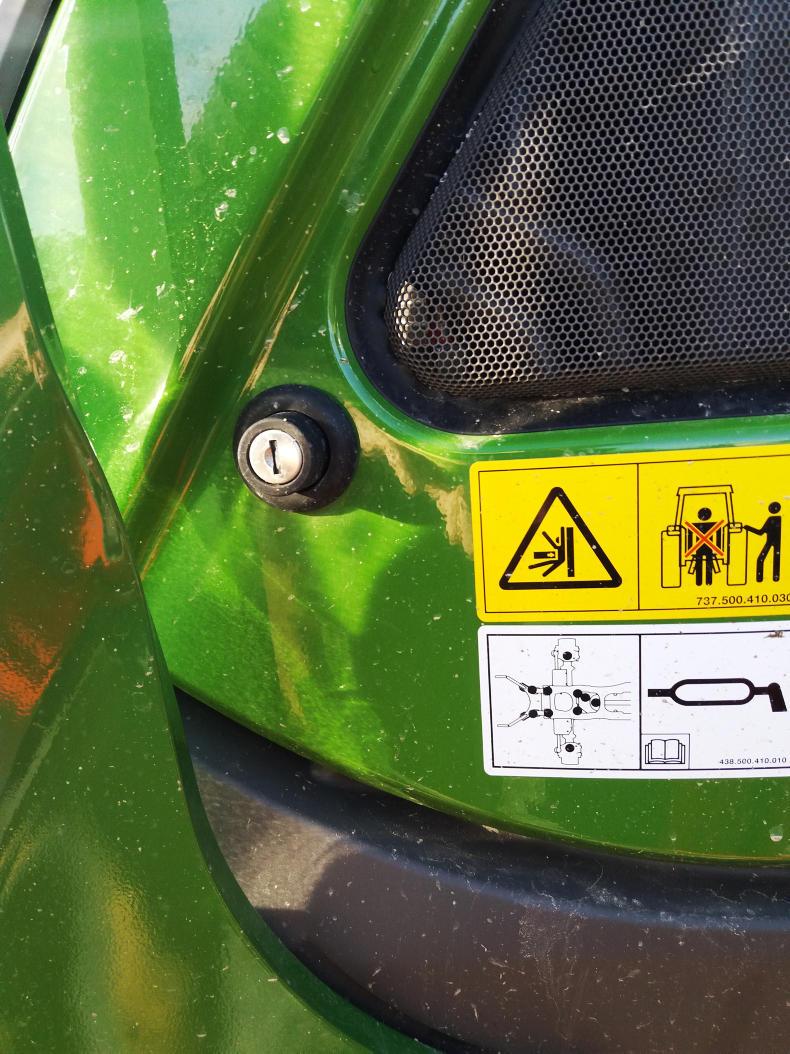
A lockable bonnet or a bonnet that requires some sort of key or tool to open it is one of the requirements.A lockable bonnet or a bonnet that requires some sort of key or tool to open it is one of the requirements.
This is not a recent decision from the EU. All tractor manufacturers have known this was coming for a long time, with some companies having little or no requirement for the derogation as they have been making changes to the tractors coming into Ireland for a number of months, if not longer.
In addition to this, an important distinction must be made. Type approval governs the product in how it is manufactured, but each country within the EU, including Ireland, reserves the rights to govern speed limits, weights, size, etc.
For example, if a tractor is manufactured in 2018 under the TMR with a top speed of 60km/h, it must still obey the speed limits for agricultural tractors for the country it is registered in.
Why is it being introduced?
It has been introduced to increase road safety, operator safety and environmental standards for tractors.
Tractors must now be fitted with double external mirrors on each side: one to see rearwards, as was standard, and one facing towards the ground at an angle to see the area to the side of the tractor in the operator’s blind-spot. Therefore, all new tractors will have two external mirrors on either side.

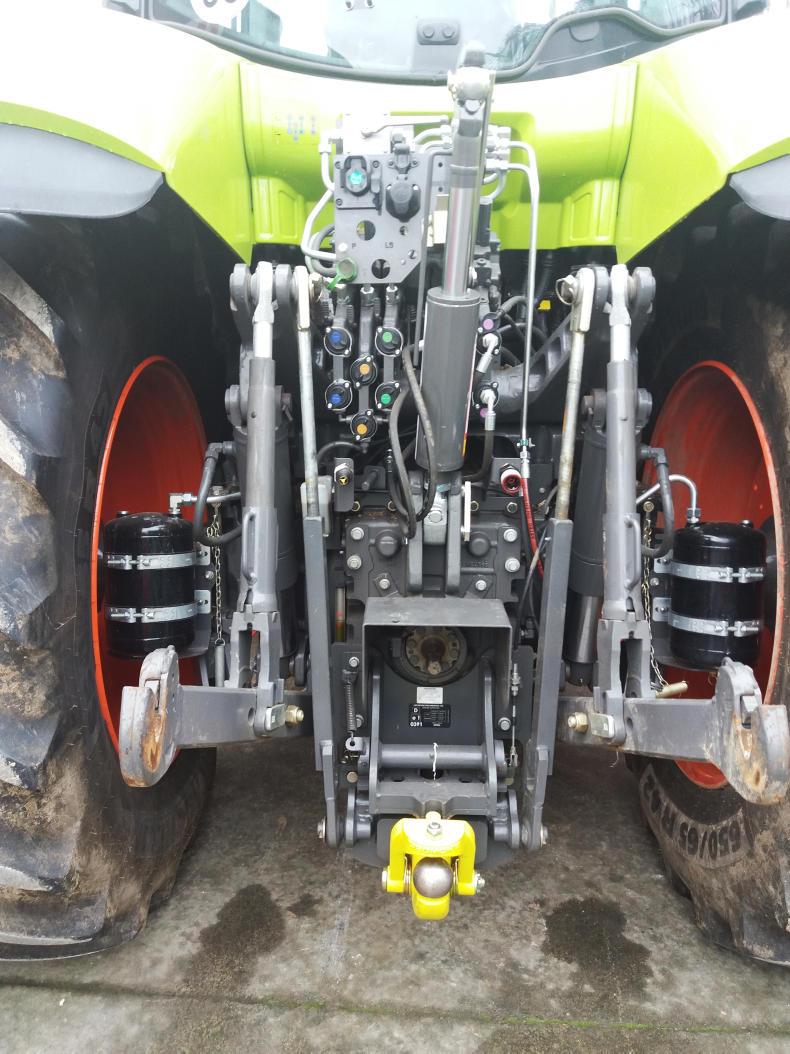
Dual-line hydraulic or air brakes are now a requirement under TMR.Either dual-line hydraulic or air brakes must be fitted to the tractor. Previously, it was just tractors capable of 50km/h that were fitted with hydraulic and compulsory air brakes. All those slower than this had a single-line hydraulic braking connection.
Now, a new braking configuration has entered the tractor world for Irish tractor owners. Dual-line hydraulic brakes use the normal hydraulic braking outlet and a second hydraulic brake line. This second hydraulic line applies the brakes in the trailer when the tractor is switched off. This takes the pressure off the tractor’s handbrake or parking brake when the combination is parked and releases them again when the tractor is started.
Tractors fitted with these braking systems can still tow traditional single-line hydraulically braked trailers, slurry-tankers, sprayers, etc. Both dual-line air and dual-line hydraulic braking systems comply with the TMR regulations. Some companies have chosen dual-line hydraulic and some companies have chosen dual-line air brakes for their tractors.
However, the issue is that a lot of the trailed equipment in Ireland is primarily designed to accept single-line hydraulic or more recently dual-line air – not dual-line hydraulic. One has to wonder how quickly machinery companies manufacturing trailed equipment will begin to offer dual-line hydraulic braking systems in addition to the option of dual-line air brakes.
Engine access
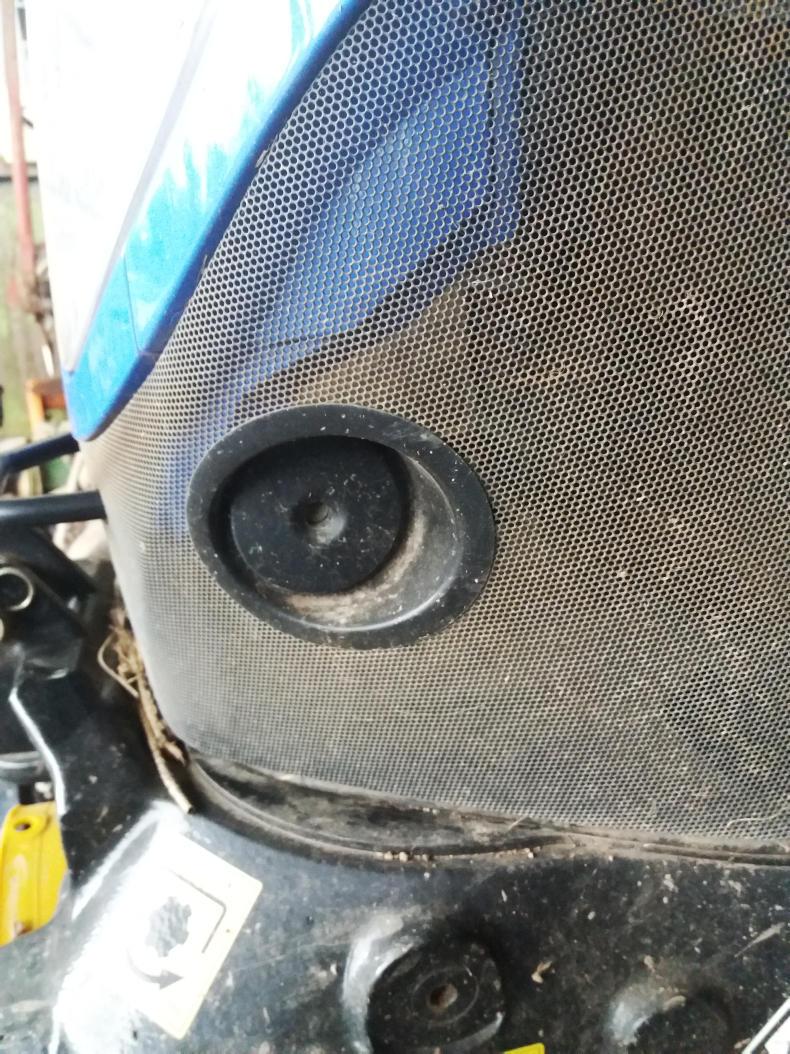
Access to all engines can only be made with a key or tool to release the bonnet. Some farmers welcome this, as it deters vandals and makes the engine and its components more secure from unwelcome visitors. The key or tool has to be sent with the tractor. Some companies have offered this for a number of years, so it’s not such an imposition to add this requirement to a tractor.
Operator safety
Operator safety is divided into three categories: requirements for the functional safety of vehicles, occupational safety and environmental performance. There are numerous requirements under each of these headings.
Some of these requirements are in the cab. Sharp corners and rough surfaces are to be reduced to avoid operator injury and are covered under protection of driver against penetrating objects (Operator Protection Structures (OPS)).
More warning stickers will be visible in the cab and around the tractor for operator protection. Outside, the maximum external sound level is not to exceed 89dB(A) and, by 2020, ABS braking will be mandatory on tractors.
In addition to all of this, existing roll-over protection system (ROPS) and fall-over protection system (FOPS) guidelines must be maintained and not compromised. For companies not already offering it, automatic PTO disengagement when the operator leaves the seat will also be required.
What will be different about the tractors?
It varies from manufacturer to manufacturer, depending on tractor specification. Some manufacturers will have to make substantial changes in specification, whereas others have these requirements, such as air brakes, as standard equipment on their tractors. These changes are already visible on tractors, with double mirrors common on a lot of tractors recently registered.
Can I buy a 2018-registered tractor produced before 1 January 2018?
You can, provided the tractor specification meets all the requirements of TMR, as set out in EU mother regulation 2013/167. If it doesn’t, you need to check with your dealer or the person you buy it from that it is part of the 10% derogation of tractors that are permitted to be registered in 2018 that are not TMR-compliant.
FTMTA CEO Gary Ryan said: “The bulk of the issue will be dealt with by the derogation obtained by the FTMTA, which will allow continued registration in 2018 of a certain quantity of these tractors.”
How much will it cost?
It varies a lot. Some manufacturers are saying it will add little to the cost of the tractor, as not many changes are required. Others have to make substantial increases to cover the costs of the new requirements if, for example, air brakes are required.
These changes are part of the increased specification levels that more and more tractors are coming with.
In the past few years, tractor manufacturers have made numerous changes to tractors as required by EU law. Various emissions standards are the most recent of these, but from 1 January 2018, a new EU regulation took effect governing tractor design to make them safer for the operator.
Dual mirrors are now a requirement under TMR.What is TMR?
TMR stands for tractor mother regulation. First published on 5 February 2013, this EU-type approval (167/2013) came into effect on 1 January 2018 with the aim of harmonising production standards for tractor manufacturers across the EU.
TMR is a European regulation governing the approval framework for agricultural and forestry vehicles, such as tractors, trailers and towed equipment. However, tractors will form the core focus of TMR.
TMR outlines a number of changes that need to be made to tractor-trailer emergency braking performance, warning indicators, engine and safety guard access and handrails. This should lead to higher tractor production standards across Europe and lower manufacturing costs for tractor companies.
Similar components will be used across a number of tractor makes, but from the investigations the Irish Farmers Journal has made, tractor prices look like they will actually rise in some instances.
What tractors does it affect and in what way?
It covers all types of new tractors registered from 1 January this year in all power categories. Any tractor registered from this date will have to comply with these requirements, unless it is part of a derogation secured by the FTMTA.
This derogation allows for non-TMR tractors to be sold in 2018, ie those tractors in importers’ or dealers’ yards that are non-TMR not yet registered. This has been calculated as 10% of total tractor sales for each brand for the two-year period between 1 October 2015 and 30 September 2017.
The upper derogation limit of 10% or carry-over cannot be exceeded, but gives all manufacturers selling in Ireland a chance to sell some non-TMR tractors in 2018.
A lockable bonnet or a bonnet that requires some sort of key or tool to open it is one of the requirements.A lockable bonnet or a bonnet that requires some sort of key or tool to open it is one of the requirements.
This is not a recent decision from the EU. All tractor manufacturers have known this was coming for a long time, with some companies having little or no requirement for the derogation as they have been making changes to the tractors coming into Ireland for a number of months, if not longer.
In addition to this, an important distinction must be made. Type approval governs the product in how it is manufactured, but each country within the EU, including Ireland, reserves the rights to govern speed limits, weights, size, etc.
For example, if a tractor is manufactured in 2018 under the TMR with a top speed of 60km/h, it must still obey the speed limits for agricultural tractors for the country it is registered in.
Why is it being introduced?
It has been introduced to increase road safety, operator safety and environmental standards for tractors.
Tractors must now be fitted with double external mirrors on each side: one to see rearwards, as was standard, and one facing towards the ground at an angle to see the area to the side of the tractor in the operator’s blind-spot. Therefore, all new tractors will have two external mirrors on either side.
Dual-line hydraulic or air brakes are now a requirement under TMR.Either dual-line hydraulic or air brakes must be fitted to the tractor. Previously, it was just tractors capable of 50km/h that were fitted with hydraulic and compulsory air brakes. All those slower than this had a single-line hydraulic braking connection.
Now, a new braking configuration has entered the tractor world for Irish tractor owners. Dual-line hydraulic brakes use the normal hydraulic braking outlet and a second hydraulic brake line. This second hydraulic line applies the brakes in the trailer when the tractor is switched off. This takes the pressure off the tractor’s handbrake or parking brake when the combination is parked and releases them again when the tractor is started.
Tractors fitted with these braking systems can still tow traditional single-line hydraulically braked trailers, slurry-tankers, sprayers, etc. Both dual-line air and dual-line hydraulic braking systems comply with the TMR regulations. Some companies have chosen dual-line hydraulic and some companies have chosen dual-line air brakes for their tractors.
However, the issue is that a lot of the trailed equipment in Ireland is primarily designed to accept single-line hydraulic or more recently dual-line air – not dual-line hydraulic. One has to wonder how quickly machinery companies manufacturing trailed equipment will begin to offer dual-line hydraulic braking systems in addition to the option of dual-line air brakes.
Engine access
Access to all engines can only be made with a key or tool to release the bonnet. Some farmers welcome this, as it deters vandals and makes the engine and its components more secure from unwelcome visitors. The key or tool has to be sent with the tractor. Some companies have offered this for a number of years, so it’s not such an imposition to add this requirement to a tractor.
Operator safety
Operator safety is divided into three categories: requirements for the functional safety of vehicles, occupational safety and environmental performance. There are numerous requirements under each of these headings.
Some of these requirements are in the cab. Sharp corners and rough surfaces are to be reduced to avoid operator injury and are covered under protection of driver against penetrating objects (Operator Protection Structures (OPS)).
More warning stickers will be visible in the cab and around the tractor for operator protection. Outside, the maximum external sound level is not to exceed 89dB(A) and, by 2020, ABS braking will be mandatory on tractors.
In addition to all of this, existing roll-over protection system (ROPS) and fall-over protection system (FOPS) guidelines must be maintained and not compromised. For companies not already offering it, automatic PTO disengagement when the operator leaves the seat will also be required.
What will be different about the tractors?
It varies from manufacturer to manufacturer, depending on tractor specification. Some manufacturers will have to make substantial changes in specification, whereas others have these requirements, such as air brakes, as standard equipment on their tractors. These changes are already visible on tractors, with double mirrors common on a lot of tractors recently registered.
Can I buy a 2018-registered tractor produced before 1 January 2018?
You can, provided the tractor specification meets all the requirements of TMR, as set out in EU mother regulation 2013/167. If it doesn’t, you need to check with your dealer or the person you buy it from that it is part of the 10% derogation of tractors that are permitted to be registered in 2018 that are not TMR-compliant.
FTMTA CEO Gary Ryan said: “The bulk of the issue will be dealt with by the derogation obtained by the FTMTA, which will allow continued registration in 2018 of a certain quantity of these tractors.”
How much will it cost?
It varies a lot. Some manufacturers are saying it will add little to the cost of the tractor, as not many changes are required. Others have to make substantial increases to cover the costs of the new requirements if, for example, air brakes are required.
These changes are part of the increased specification levels that more and more tractors are coming with.








SHARING OPTIONS