


The wastewater system traditionally used in Ireland was extremely basic. After a septic tank was installed, a large soak pit filled with gravel was dug beside it and all the effluent from the tank was discharged to this area for further filtration.
The EPA guidelines introduced in the late 1990s required on site effluent treatment to incorporate secondary and tertiary treatment and the era of the septic tank as the generally accepted treatment system quickly came to a close.
On a site with good/reasonable soakage, a basic treatment and percolation system will still work. However, if it is a poor site with high water table/high bedrock, poor soakage or near a sensitive area or watercourse, then a more advanced percolation system is required.
Molloy Precast Products Ltd, also trading as Molloy Environmental Systems, was initially established to produce concrete products and septic tanks for the general construction industry and domestic housing market. Since 2001, the company has diversified into the wastewater treatment industry, producing rainwater harvesting, wastewater treatment and percolation systems.
The company had been making septic tanks throughout the 1990s but due to new guidelines introduced by the Environmental Protection Agency (EPA), it moved into wastewater treatment.
“We evolved into wastewater treatment systems from the septic tanks we were always making,” says Donal Molloy, managing director of Molloy Precast. “Very quickly we began to realise that most of the time when customers reported difficulties with their treatment systems it was down to their percolation system.”
Many of the problems customers were reporting about treatment systems were linked to the percolation process rather than the treatment tanks. Different sites can require different solutions so Molloy Environmental Systems began demonstrating the range of percolation solutions certified by the EPA that could meet different customer needs.
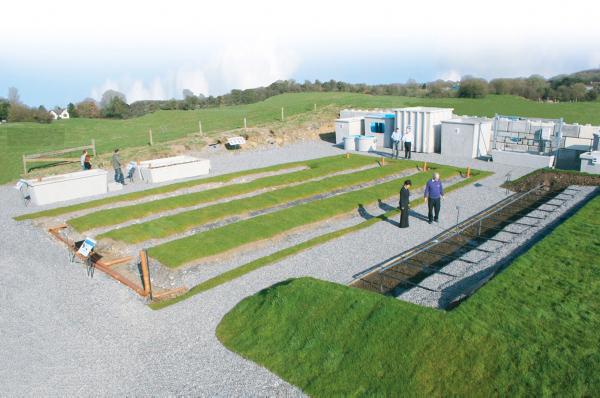
As this was a new technology to the market, the company developed a fully working demonstration area to inform customers and help them understand the importance of the percolation process.
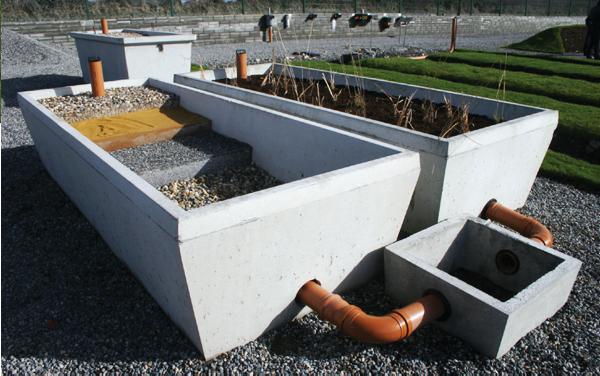
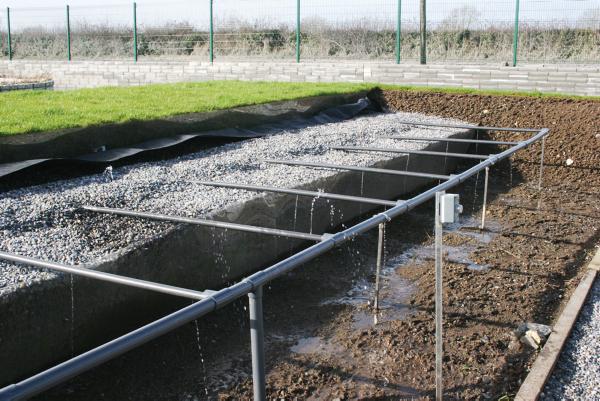
This on-site demonstration area allows customers the chance to see the correct process of construction and installation of a percolation area for commercial or domestic use. It also allows engineers or system designers the chance to explore a range of inventive solutions to problematic site conditions.
Donal recalls how one customer had come in asking to buy a new septic tank because his original one was over 30 years in the ground. Upon further inspection, it turned out that the septic tank was in perfect working order and part of the problem lay with rainwater going to the percolation area.
This problem was easily remedied by installing a new percolation system where discharged water from the septic tank was dispersed over a larger area for better soakage.
Had the company simply sold the customer a new septic tank like he requested originally, it would have cost more and not solved the problem.
Another important step for Molloy Environmental Systems was the research links it developed with third level institutions. “NUI Galway and Trinity College have extensive wastewater treatment departments and our links with their research kept us up to date with the latest cutting edge technology,” says Donal. “We built our own lab onsite and continue to invest a lot in research and development.”
Working with Offaly CC and NUIG, Molloy Environmental Systems began a pilot project for a major wastewater treatment plant in Moneygall, Co Offaly. The success of this treatment plant has been critical for the company as it looks to develop its business and challenge for more and more commercial projects of this scale.
Recent projects also include the installation of another wastewater treatment plant in the town of Shannonbridge, Co Offaly, and the company is currently putting the finishing touches on a wastewater treatment facility for Athenry mart. (See case study)
As Molly Environment Systems continues to develop this technology, it believes there is great potential for it in a range of areas. It is adaptable to treat effluent from vegetable and meat processing facilities and the company is currently in the process of testing the wastewater treatment technology for use in a fish processing plant.
Not only this, but it sees the export markets as a real opportunity. “We have long-term ambitions of exporting this technology to new markets. With the help of Enterprise Ireland, we have our eye on the UK market,” says Donal.
Molloy Environmental Systems operates from a modern facility at Coleraine, Clara Road, Tullamore, Co Offaly which features Ireland’s most comprehensive percolation demonstration facility.
Athenry Mart
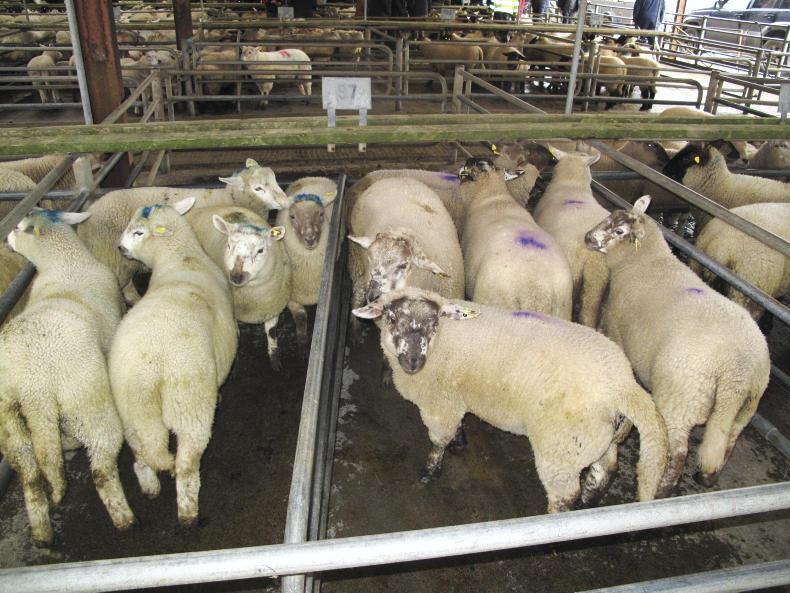
In 2013, Molloy Environmental Systems was awarded a contract by Athenry Mart to construct a new wastewater treatment plant to treat animal wastewater collected in the mart. The wastewater treatment technology being installed at Athenry is a patented novel technology developed by NUI Galway and licensed to Molloy Environmental Systems.
According to Shane Fox, Environmental Process Engineer with Molloy Environmental and PhD student at NUIG, the new wastewater treatment system, using PFBR (Pumped Flow Biofilm Reactor) technology, is designed to treat washdown from the yards.
“Presently this wastewater is treated for solid removal using a screen and settlement tanks, prior to discharge into the municipal system. However, with increasing pressure on the municipal system, new discharge limits were set on the mart’s wastewater discharge. These limits are on carbon, nitrogen and phosphorus emissions.”
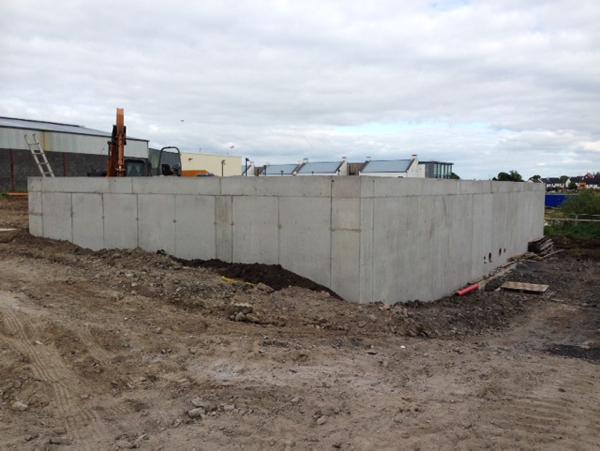
The project involves the construction of a new 600m3 tank which will house the reactor chambers, a clarifier and sludge storage chambers. The advantages of the system are reduced electrical costs, limited day-to-day maintenance, and excellent treatment performance with low sludge production.
The project started in April of this year. The construction of the tanks is complete and the mechanical and electrical works have begun. It is expected to have the new facility in operation before the end of the summer.




SHARING OPTIONS