



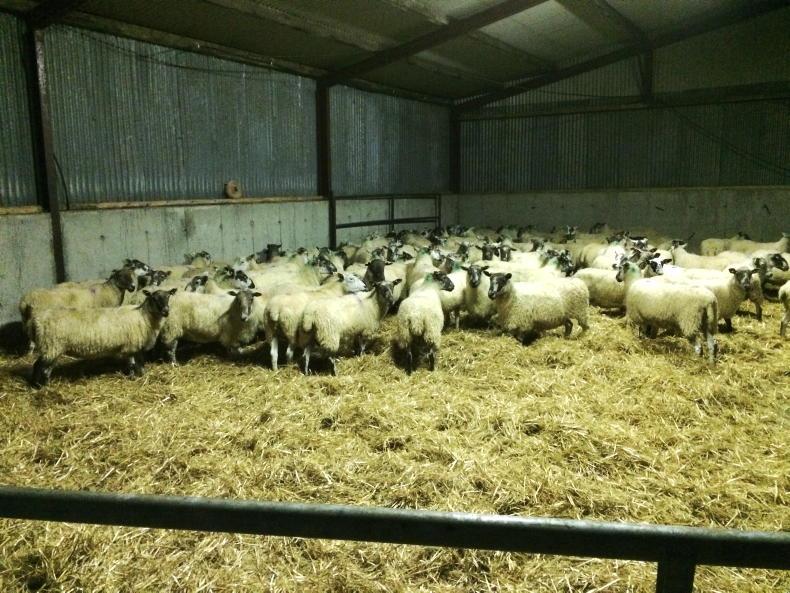
The greatest threat from new diseases entering a flock is generally through the front gate. There are lots of exceptions to this statement, with diseases such as the bluetongue virus spread by midges or other diseases gaining entry via contaminated equipment or machinery.
But these are typically in the minority and the greatest risk of the diseases summarised in Table 1; establishment and spread within a previously clean flock usually happens via the purchase of sheep.
Operating a closed flock policy is obviously the best form of defence, but this is not possible for many flocks and in such instances a good biosecurity plan and robust quarantine programme is vital. Even those who operate a closed flock policy often have to periodically purchase rams.
This article will focus on the key areas and disease risks heading into autumn breeding sales.
A quarantine protocol should be implemented for at least 28 days, as the longer sheep are kept away from the main flock the better in terms of giving maximum time to identify any issues. Some farmers keep newly purchased females separate to the main flock until after lambing, where there is defined housing space available.
Purchase from a known source
This is an excellent starting point. The best flocks to purchase from are those that are operating a closed flock policy and which have a similar disease profile and flock health protocol. It is within your right to ask about the background health of animals you are planning to purchase. It is also wise to do a quick physical health check looking out for any signs of disease.
To guard against the threat of resistance it is recommended to use one of the products known as new generation wormers – zolvix or startect. Zolvix is part of the group 4 – Amino-Acetonitrile Derivatives (AAD) or orange drench class and the main active ingredient is monepantel.
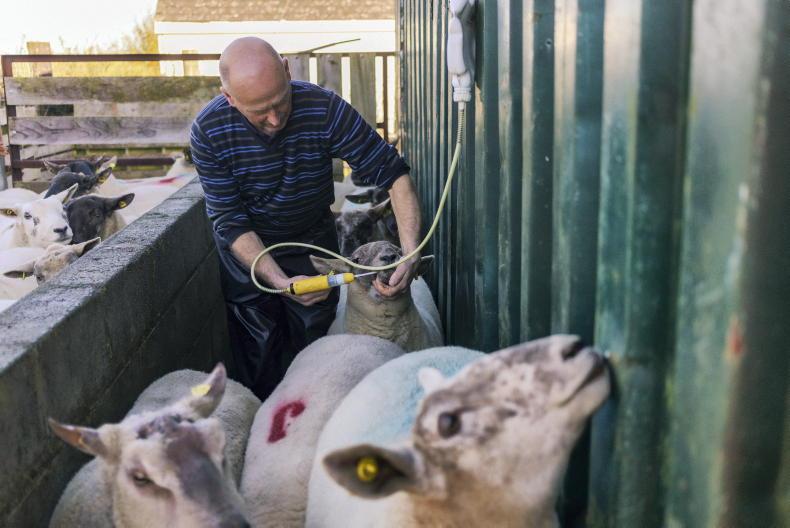
While the final group 5 option is Spiroindoles or purple drenches and the active ingredient is derquantel. The product available to farmers in Ireland (via vet order from Northern Ireland) and the UK is Startect.
There are two recommended quarantine treatments. The first is to use Zolvix in combination with either a yellow or clear product. The second option is to use Startect and a yellow wormer, as Startect already contains a dual ingredient from the clear anthelmintic class.
The products can be administered at a similar time, but must never be mixed before administering. It is also important to note that while the products are fast-acting, they will not kill eggs which have passed into the intestinal region and, therefore, sheep should be housed for 48 hours post-arrival to prevent eggs being shed on pasture. They should then be turned out to so-called ‘dirty’ pasture – ie ground that sheep are grazing to pick up a population of worms present on the farm.
Abortion-causing agents:
Female replacements can harbour chlamydial or enzootic abortion, which can have devastating consequences once it manifests in late pregnancy. There are vaccines available and these must be administered in advance of breeding.
While sheep do not carry and spread toxoplasmosis, it is worth considering vaccination in naive animals.
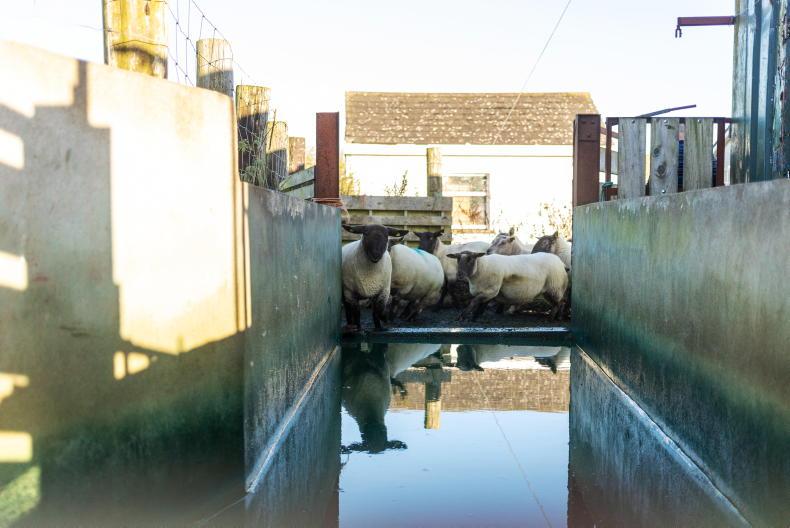
It should be noted that if administering levamisole as part of the quarantine treatment for worms, then an organophosphate-based dip should not be used for a period of at least 14 days. This is because concurrent use may lead to toxicity and the death of affected animals. There are supply issues with cyperguard at the moment, the only non-organophosphate dip available in Ireland, meaning farmers have fewer options.
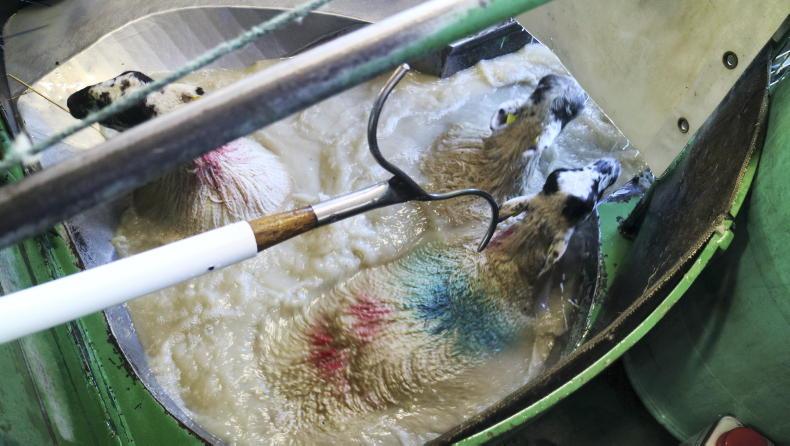
If using a moxidectin-based product as your quarantine treatment, then there may be an opportunity to also use this to control against sheep scab. Dectomax and Cydectin LA are the two most common injections utilised by farmers in this regard. It is critical to follow manufacturers’ guidelines carefully if progressing down this route. It is important that producers farming organically talk to their licensing body to explore their options in light of Cyperguard availability issues and a focus on steering clear of the use of macrocyclic lactones.
Caseous lymphadenitis (CLA) is a contagious skin disease that establishes in a sheep’s lymph system and is becoming a rising problem. It can be useful to rub your hand along an animal’s neck (most lymph glands located), brisket area and tail head to look for characteristic signs of swollen lumps, abscesses or scaring as a result.



SHARING OPTIONS