


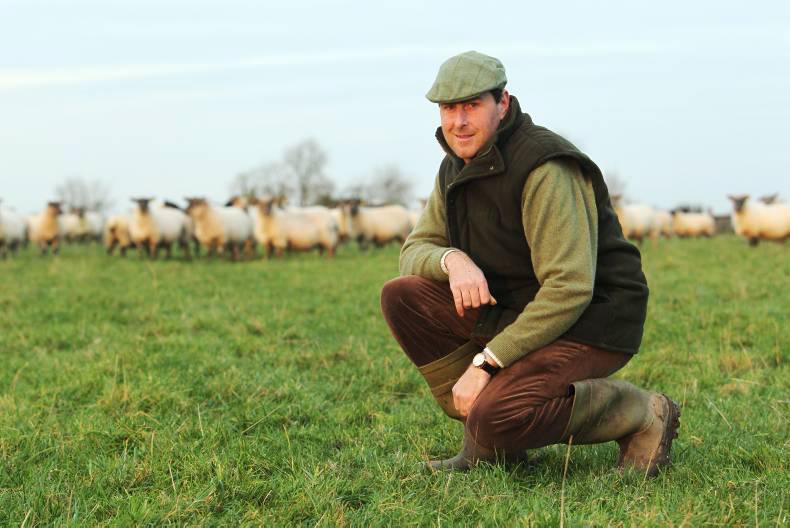
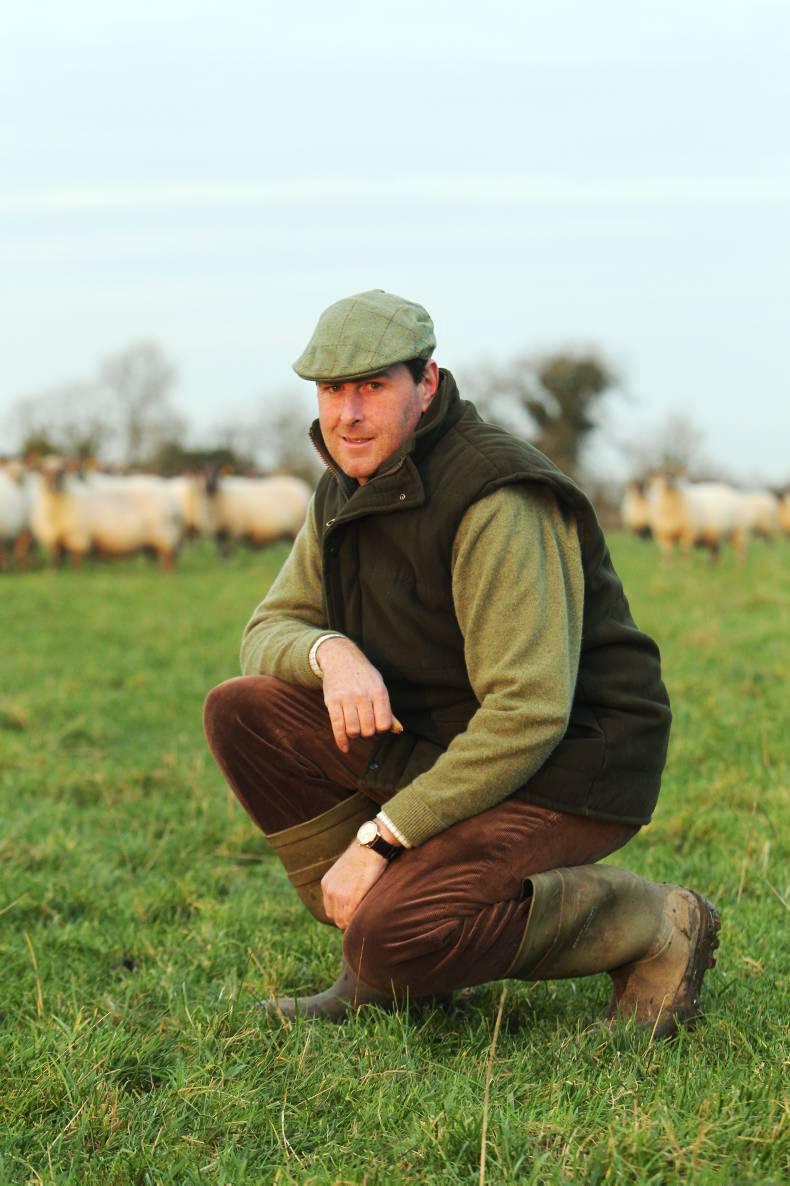
Leave them out and keep them growing – the mantra on Ronan’s Delaney’s 200-acre (81ha) farm in Co Meath. He runs a low-cost beef and sheep enterprise where production off grass is vital.
The focus is on producing as much weight from grass and keeping the system as simple and cost-effective as possible.
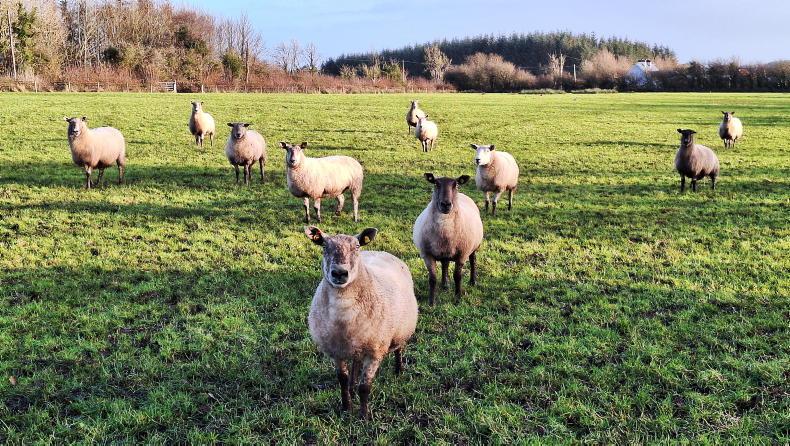
“I rear the lambs and ewes mainly off grass and silage, with very little concentrates bought. The farm is not overly stocked on the sheep side so it allows me to keep the feed bill low,” Ronan explained.
Ewes went to grass after lambing from 10 February onwards and as sheds began to empty, 15-month-old heifers were purchased, as Ronan aims to make full use of housing facilities available. All heifers are generally slaughtered between 20 and 24 months of age.
To achieve his aim of low-cost production off grass, a rotational paddock grazing system is operated. Ronan said this has greatly helped with tight grass supplies during the difficult spring.
Some groups have moved as often as four to five times in recent weeks, with a focus on balancing grass supply and ewe and lamb demand and giving paddocks a rest to optimise recovery and grass regrowth.
Dosing programme
Lambs received a white Nematodirus dose last week, with lambs last year receiving a yellow dose. This alternation of products is to help avoid the rate of resistance building to any one dosing product.
The aim for Ronan is to not have to dose lambs born on the farm again this year. He is not an advocate of bringing stock in too often and prefers to “leave them out and keep them growing on grass”. Problems with worms are kept to a minimum as stocking rates are not excessive.
Finishing and drafting
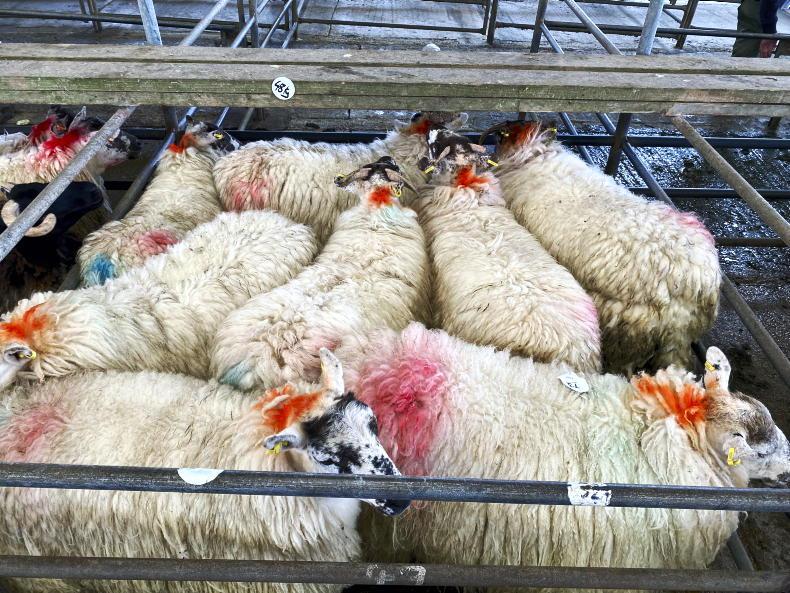
Lambs are drafted for slaughter off grass anytime from 20 May. Purchased store lambs will be finished up until Christmas, with the target to finish everything in the year they are born.
Only the last 35 to 45 store lambs slaughtered receive concentrates to finish them.
Ronan is part of the Boyne Valley producer group, which has carcase weight limits of 20.5kg on its lambs this week, with weight limits fluctuating depending on the time of year.
There is a strong focus on drafting lambs at the optimum liveweight. Once lambs reach 38kg to 40kg liveweight, they go for slaughter.
“I would prefer lambs to go lighter than too heavy, so at least I get paid for their full weight. A weighing scales was the best thing to ever come around the farm and I use a Ritchie combi-clamp for the drafting, which speeds it up and makes life easier.”
Optimising production from grass
Ewes stay out on grass for as long as possible and only get housed around Christmas for eight weeks, which helps reduce costs.
“Everything is focused on growing grass. We breed stock to utilise the grass we can grow,” he said.
As mentioned previously, store lambs are also purchased. Ronan is confident it is possible to make a profit when buying store lambs if you set a budget and stick rigorously to it when purchasing.
It is also vital to cut out concentrate costs to improve profitability of the system.
Benefits of records
The farm is very strict on its culling policy and if the ewes cannot produce enough milk off grass or produce offspring that are not up to the standard set, they don’t get any second chance and a red ear tag is inserted, which means the ewe’s days on the farm are numbered.
There are a mix of breeds used, with Lleyn rams used on Suffolk ewes and Suffolk rams used on Lleyn ewes. Texel and Charollais rams are also used on the flock.
Ronan also culls for issues such as feet problems or persistent health issues, which he feels pays dividends in reducing the degree of flock health problems over time.
Positives of farming
“The negatives of farming get brought up a lot, but there are a lot of positives to being a farmer,” said Ronan.
“It is very hard to beat the lifestyle and with two young children at home, it gives me time with them.
“I worked off-farm for about 10 years and while the weekly income is nice, people wouldn’t be farming if they didn’t love it.”
To read the full Sheep handling focus, click here.




SHARING OPTIONS