The onset of blowfly strike has varied greatly over the last two years. There was already a significant number of reports of strikes at this stage in 2025 while in the previous year, low temperatures delayed issues until late in the season.
There has been no real change in blowfly preventative options; the biggest difference being that the purchase of such products requires a prescription since 1 December 2025, and unfortunately prices continuing to creep upwards.
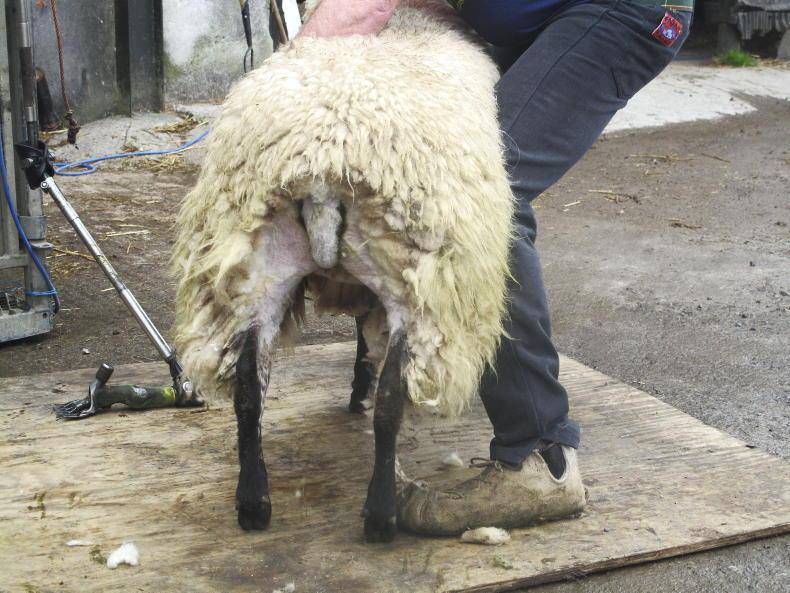
Mechanical means of flystrike control is the primary objective in organic farming systems.

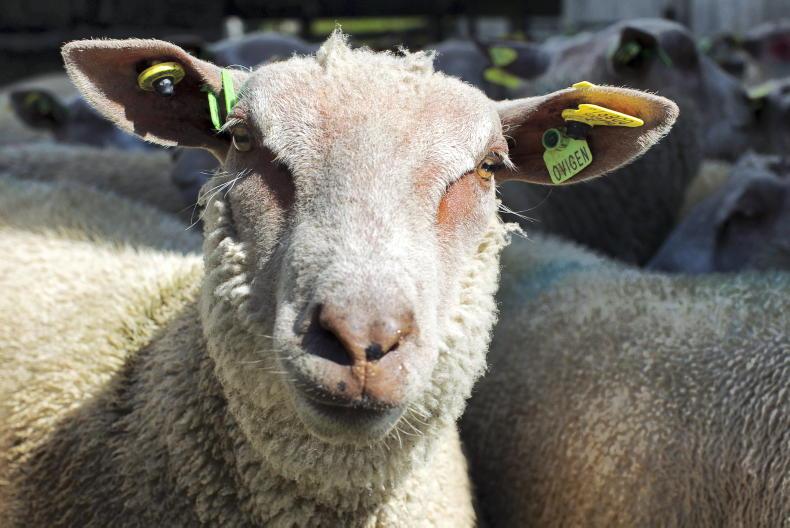
Some categories of sheep including ram lambs destined for breeding will benefit from protection for headflies.
If getting a prescription to purchase antiparasitics, it is worth reviewing what products you may require over the coming months. The table below details external parasite control options with blowfly strike taken as the point of focus. The table also details what other external parasites are covered.
The products have been split into pour-on and plunge dipping products for ease of reading. It should also be noted that the list is not exhaustive but covers the main options available to farmers in Ireland and Northern Ireland. There are other products licensed for use in the UK.
Data source
Data listed for the products available on the Irish market has been extracted from the Summary of Product Characteristics (SPC) published by the Health Products Regulatory Authority (HPRA) and, where applicable for UK-only products, from the Veterinary Medicines Directorate (VMD) Product Information Database. It is important that farmers are cognisant of any differences between product characteristics across different veterinary jurisdictions.
Main considerations
It is quickly evident that products differ in terms of the range of external parasites covered, the length of the protection claimed and whether or not the product will treat an active strike. There is also a link between the length of protection offered by blowfly prevention products and meat withdrawal dates.
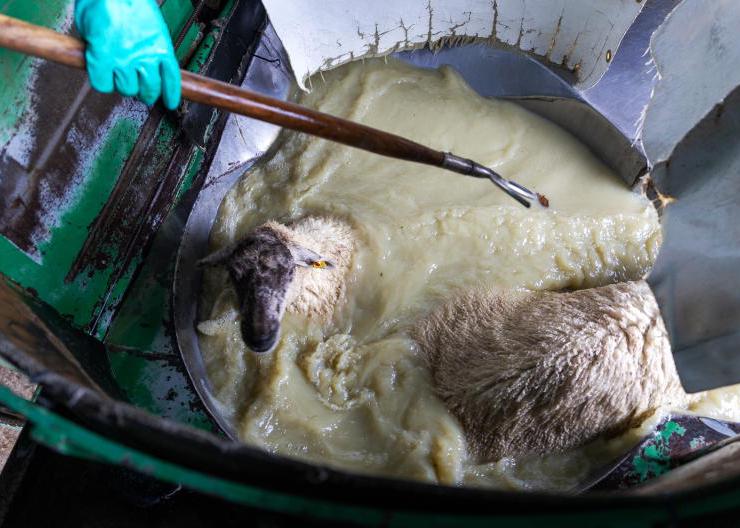
Plunge dipping products target the widest range of external parasites and have a protection claim of five to eight weeks for blowfly. However, the length of protection can vary depending on a number of factors including weather, the efficacy of dip in the tub and the correct dipping practices being adopted. This is no different to the application of pour-ons.
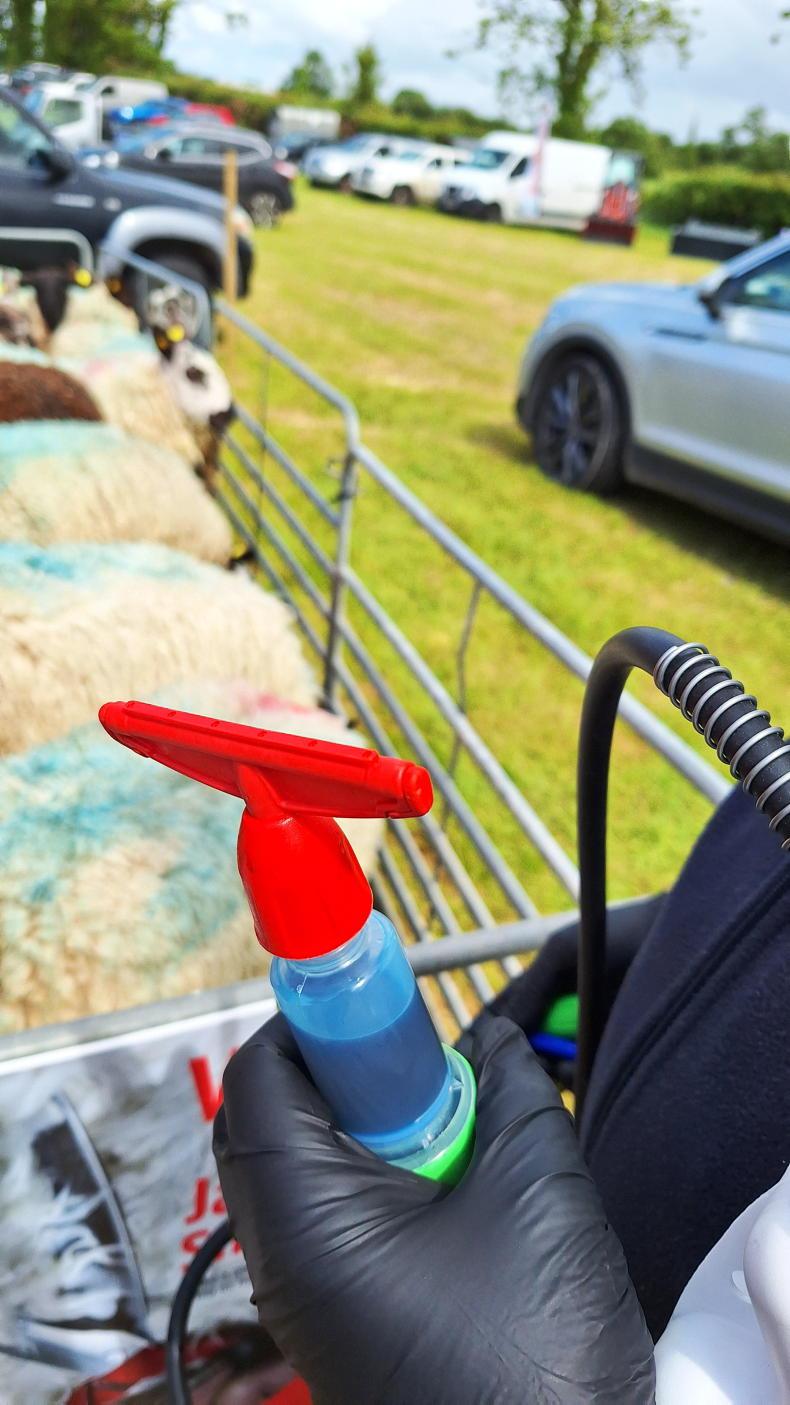
Ensure that the correct applicator is applied to the pour-on gun.
There are supply issues with Cyperguard, the only non-organophosphate-based sheep dip available to farmers in Ireland. There may possibly be some remaining supplies available at retail level but there will be no delivery of new product until late in 2026.
Organic producers reliant on the use of the product should talk to their licensing body / veterinary practitioner regarding alternative options.
Cyperguard is the only plunge dipping product in Ireland with a claim to treat ticks although the ingredients in the Gold Fleece products are similar with the UK product possessing a tick treatment claim.
Pour-ons
The range of CLiK products typically offer the longest duration of protection but these also possess the longest withdrawal period. The products offer scope for an application earlier in the season and this may be a more cost-effective option when lambs are at a lighter weight. Products should not be judged solely on these characteristics as price is also an important consideration.
The product of choice for many hill sheep producers in Ireland where ticks are an ongoing challenge is Youngs Vector. It has a claim for 10-weeks’ tick coverage and also provides protection against ticks, blowfly strike and headflies.
Vectocert is essentially the same product and is available to farmers in the UK. It is worth noting that its SPC advises that for tick control for lambs less than 10kg, apply a 5ml treatment followed by 10ml three weeks later.
Dysect / Zermasect, which are also only available to farmers in the UK, have a different active ingredient to Youngs Vector and Vectocert but also offer similar cover and two weeks longer blowfly protection. The big difference however is a 49-day withdrawal period.
Ectofly is also similar to the above-named products but its claim for tick control extends just to treatment and not preventative control. It is a common product in Ireland for shorter-term protection against blowfly strike due to its short withdrawal date.
Getting the most from your investment
For products such as CLiK the mode of action is insect growth regulators (IGRs) which essentially stifles any development of the larvae. They prevent strike for eight to 16 weeks depending on product choice but it is important to note that they do not treat an active blowfly strike.
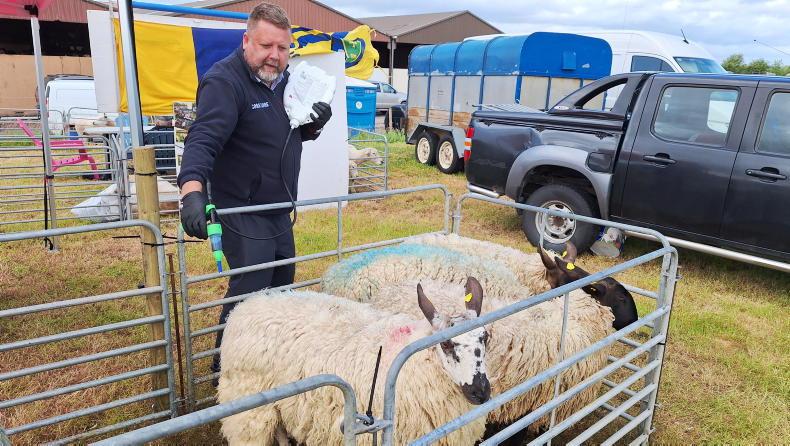
Blowfly strike.
Products with an active ingredient of cypermethrin or alphamethrin are pyrethroids and work by disrupting an insect’s nervous system, ultimately leading to death.
The length of protection achieved from a pour-on can be influenced by the method of application, fleece cleanliness and temperature / sunlight. The following tips delivered by Shane Jennings, Bimeda at Shearfest 2025 can help to maximise cover.
Apply product to a clean, dry fleece and time the application to avoid contact with rain for six to 12 hours post-application. Refrain from applying products during periods of intense heat where there is a risk of product evaporating before binding with the fleece. If product is being applied do so indoors or late in the evening. Many products provide protection where product comes into contact with the fleece. As such, abide by manufacturer guidelines and cover high-risk areas such as the shoulder, back and rump regions. Dag dirty tailends before applying to extend the period of cover. Take note that some products have different applicators for blowfly, ticks and headflies.Read manufacturer guidelines or seek advice when purchasing. Organic farming
There are now upwards of 3,500 sheep farmers in the Organic Farming Scheme. Under organic farming principles, the objective for external parasite control is to control blowfly strike by mechanical means including shearing and regular crutching and dagging of sheep.
Chemical control options are however permitted as long as they are recommended and approved by your veterinary practitioner and accepted in your farm’s health plan submitted to your organic licensing body. The one exception is that the use of organophosphate-based dips is not permitted, with Cyperguard the only dipping product permitted. As mentioned earlier, there are currently supply issues with the product not available until later in the year.
The onset of blowfly strike has varied greatly over the last two years. There was already a significant number of reports of strikes at this stage in 2025 while in the previous year, low temperatures delayed issues until late in the season.
There has been no real change in blowfly preventative options; the biggest difference being that the purchase of such products requires a prescription since 1 December 2025, and unfortunately prices continuing to creep upwards.

Mechanical means of flystrike control is the primary objective in organic farming systems.

Some categories of sheep including ram lambs destined for breeding will benefit from protection for headflies.
If getting a prescription to purchase antiparasitics, it is worth reviewing what products you may require over the coming months. The table below details external parasite control options with blowfly strike taken as the point of focus. The table also details what other external parasites are covered.
The products have been split into pour-on and plunge dipping products for ease of reading. It should also be noted that the list is not exhaustive but covers the main options available to farmers in Ireland and Northern Ireland. There are other products licensed for use in the UK.
Data source
Data listed for the products available on the Irish market has been extracted from the Summary of Product Characteristics (SPC) published by the Health Products Regulatory Authority (HPRA) and, where applicable for UK-only products, from the Veterinary Medicines Directorate (VMD) Product Information Database. It is important that farmers are cognisant of any differences between product characteristics across different veterinary jurisdictions.
Main considerations
It is quickly evident that products differ in terms of the range of external parasites covered, the length of the protection claimed and whether or not the product will treat an active strike. There is also a link between the length of protection offered by blowfly prevention products and meat withdrawal dates.
Plunge dipping products target the widest range of external parasites and have a protection claim of five to eight weeks for blowfly. However, the length of protection can vary depending on a number of factors including weather, the efficacy of dip in the tub and the correct dipping practices being adopted. This is no different to the application of pour-ons.

Ensure that the correct applicator is applied to the pour-on gun.
There are supply issues with Cyperguard, the only non-organophosphate-based sheep dip available to farmers in Ireland. There may possibly be some remaining supplies available at retail level but there will be no delivery of new product until late in 2026.
Organic producers reliant on the use of the product should talk to their licensing body / veterinary practitioner regarding alternative options.
Cyperguard is the only plunge dipping product in Ireland with a claim to treat ticks although the ingredients in the Gold Fleece products are similar with the UK product possessing a tick treatment claim.
Pour-ons
The range of CLiK products typically offer the longest duration of protection but these also possess the longest withdrawal period. The products offer scope for an application earlier in the season and this may be a more cost-effective option when lambs are at a lighter weight. Products should not be judged solely on these characteristics as price is also an important consideration.
The product of choice for many hill sheep producers in Ireland where ticks are an ongoing challenge is Youngs Vector. It has a claim for 10-weeks’ tick coverage and also provides protection against ticks, blowfly strike and headflies.
Vectocert is essentially the same product and is available to farmers in the UK. It is worth noting that its SPC advises that for tick control for lambs less than 10kg, apply a 5ml treatment followed by 10ml three weeks later.
Dysect / Zermasect, which are also only available to farmers in the UK, have a different active ingredient to Youngs Vector and Vectocert but also offer similar cover and two weeks longer blowfly protection. The big difference however is a 49-day withdrawal period.
Ectofly is also similar to the above-named products but its claim for tick control extends just to treatment and not preventative control. It is a common product in Ireland for shorter-term protection against blowfly strike due to its short withdrawal date.
Getting the most from your investment
For products such as CLiK the mode of action is insect growth regulators (IGRs) which essentially stifles any development of the larvae. They prevent strike for eight to 16 weeks depending on product choice but it is important to note that they do not treat an active blowfly strike.

Blowfly strike.
Products with an active ingredient of cypermethrin or alphamethrin are pyrethroids and work by disrupting an insect’s nervous system, ultimately leading to death.
The length of protection achieved from a pour-on can be influenced by the method of application, fleece cleanliness and temperature / sunlight. The following tips delivered by Shane Jennings, Bimeda at Shearfest 2025 can help to maximise cover.
Apply product to a clean, dry fleece and time the application to avoid contact with rain for six to 12 hours post-application. Refrain from applying products during periods of intense heat where there is a risk of product evaporating before binding with the fleece. If product is being applied do so indoors or late in the evening. Many products provide protection where product comes into contact with the fleece. As such, abide by manufacturer guidelines and cover high-risk areas such as the shoulder, back and rump regions. Dag dirty tailends before applying to extend the period of cover. Take note that some products have different applicators for blowfly, ticks and headflies.Read manufacturer guidelines or seek advice when purchasing. Organic farming
There are now upwards of 3,500 sheep farmers in the Organic Farming Scheme. Under organic farming principles, the objective for external parasite control is to control blowfly strike by mechanical means including shearing and regular crutching and dagging of sheep.
Chemical control options are however permitted as long as they are recommended and approved by your veterinary practitioner and accepted in your farm’s health plan submitted to your organic licensing body. The one exception is that the use of organophosphate-based dips is not permitted, with Cyperguard the only dipping product permitted. As mentioned earlier, there are currently supply issues with the product not available until later in the year.
SHARING OPTIONS