



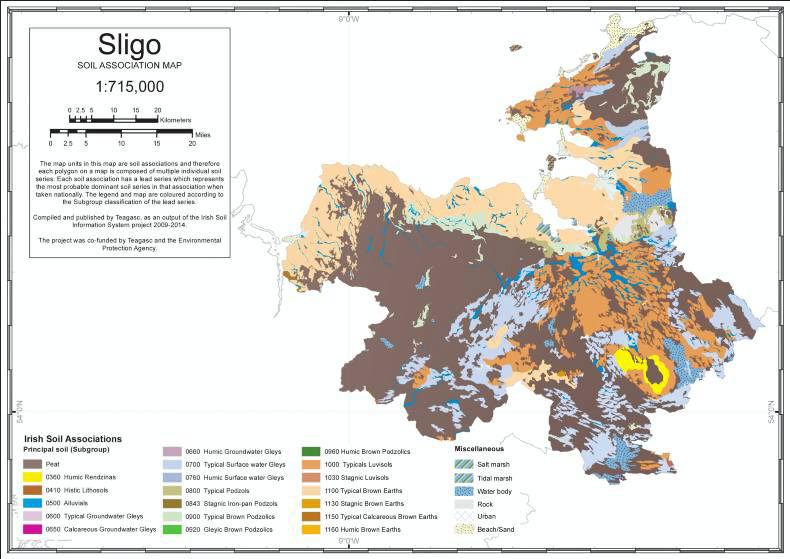
With two-thirds of Co Sligo characterised by drumlin areas, this attractive landscape can be directly associated with the diverse rocks and geology found there. Drumlins are egg-shaped glacial landforms that tend to occur in clusters at the site of a receding glacier.
The drumlins in Sligo are typified by wet soils, especially surface-water gleys predominant in glacial drift made from limestone or sedimentary rocks. Drift refers to material that is scraped from rock material that gets deposited following the retreat of a glacier.
To the south of Ballysadare, towards the west of the county, extensive areas of deep blanket peat in upland and lowland areas are common, with some eroding and cutover peat.
Important for recreation
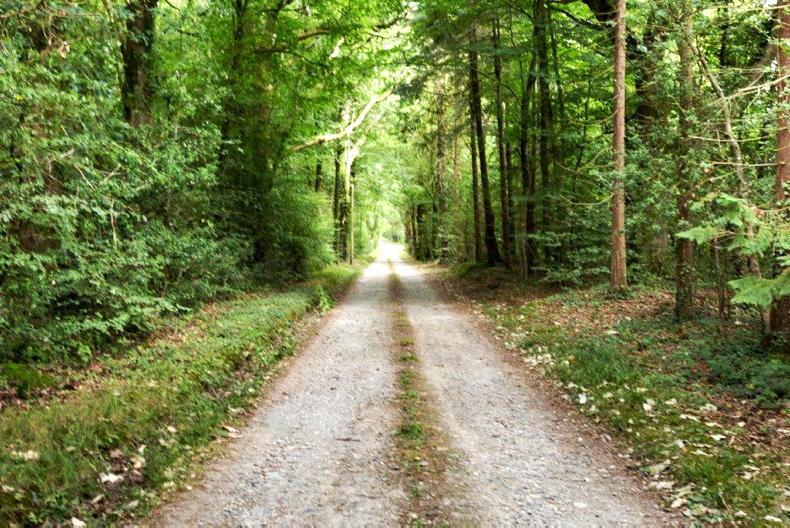
Further west, towards Enniscrone, blanket peat and podzols are prevalent in mountainous areas. Podzols are typical in wet mountainous conditions and while generally non-productive for intensive agriculture, they are important for recreation, forestry and stock-rearing. The acid nature of these soils would require liming and fertilisation to improve nutrient status for agriculture.
Three main soil types account for almost all soils in Sligo. Of these, the most prevalent are the brown earths, the majority of which are the ‘Mullabane series’.
This series is described as calcareous brown earths found on drift, indicating the presence of limestone, which is common in this county. These are generally associated with luvisols (movement of clay down the soil profile) and some rendzinas (shallow soils over calcareous bedrock) and peat. These soils are readily found all along coastal locations from Rosses Point south to the Mayo border.
Good agricultural soils
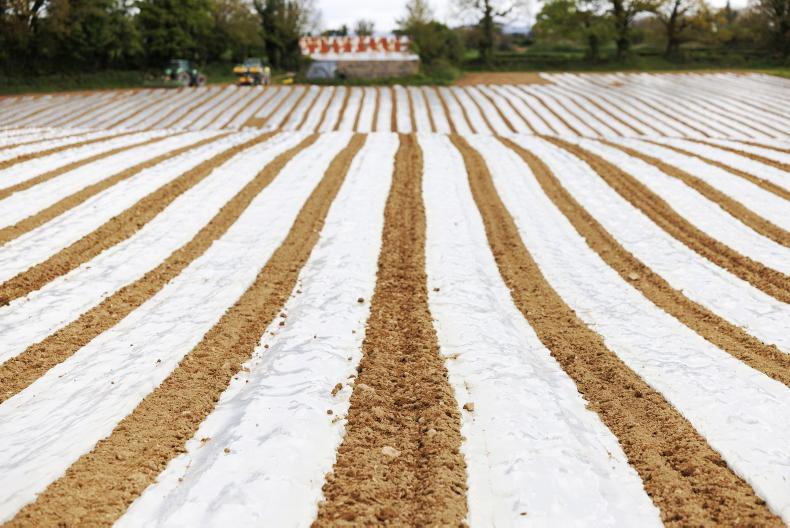
After brown earths, luvisols are the second most commonly found soil type. The movement of clay from the topsoil down the profile and deposited further down the subsoil means that these are very good agricultural soils due to their higher clay content as they retain nutrients well.
However, the increased clay in the subsoil can slow down the movement of water through the profile, meaning that these soils can be moderately to poorly draining, depending on the soil texture. Most of the luvisols in Sligo are found in coastal areas around Grange, and from Tubbercurry to Collooney.
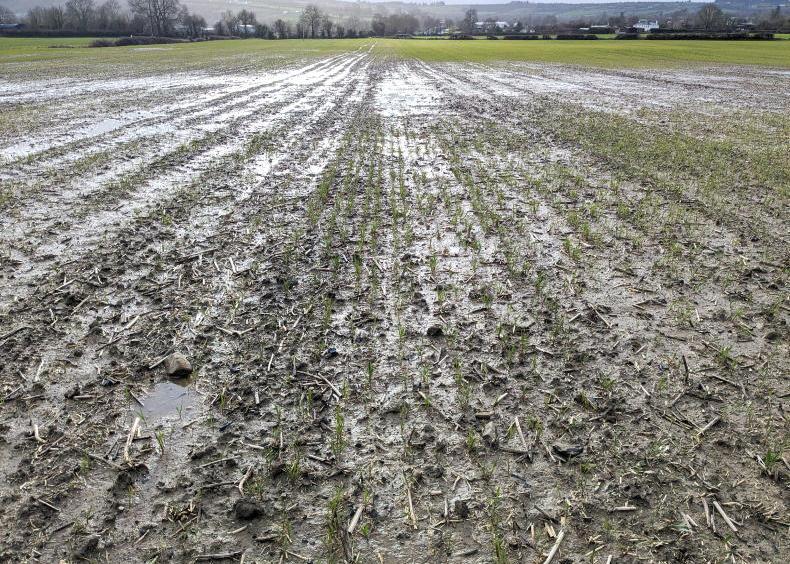
The third most common soils are surface-water gleys. Surface-water gleys are found on heavy glacial till, giving rise to a heavy textured sub-soil resulting in poor drainage, in turn giving rise to seasonal waterlogging.
The high clay content means that these soils are considered heavy soils from a farming perspective and have more limited agricultural uses, but some may benefit from artificial drainage.




SHARING OPTIONS