Vigilance and care around tyres is the only option
Mishandling of tyres can lead to a serious accident. Damage to machines and property is minor when compared with the life-changing injuries that can happen.
The size of tractors and machines has grown over the last number of years, and also the tyres that go with these machines. Handling tyres is and always has been an extremely dangerous task, with careful planning needed to execute the job.
To look at the dangers and the protocols the Irish Farmers Journal visited Tom Geraghty Tyres in Waterford. The business was established in 1981, and there is not much that Tom hasn’t seen when it comes to tyres. He explains that the tyres now are a lot bigger, heavier and bulkier. Changing tyres when he started was a big job on a Ford 7610. Nowadays a Fendt 936 with 800s can be handled with the modern gear and innovation.
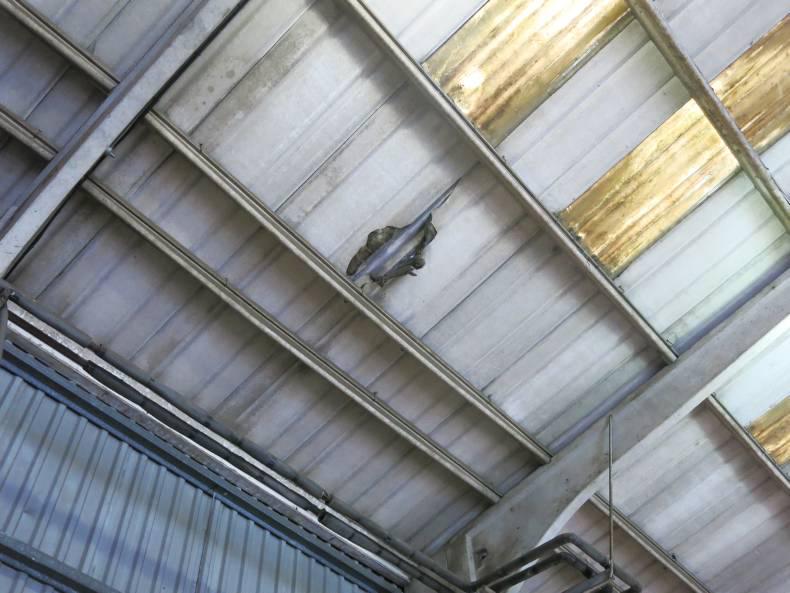
Tom has seen his share of accidents with tyres. He points to the spot where a split rim came off a forklift, striking the 30ft-high roof with enough force to leave permanent damage on a solid steel beam. On another occasion, a burst tyre blew debris the length of the workshop. There have also been a number of other incidents. Tom said the weather will always have an impact on the number of accidents. Good spells of weather allow contractors and farmers to get through the work. When the pressure comes on with wet weather, a lot of chances are taken.
ADVERTISEMENT
Experience
The dangers of injury with tyres are always higher when inexperienced operators are working, and a lot of times the signs of a tyre or a rim on the edge of the limits are not picked up on. Tom explained a few practical measures that can be taken on board when working on a tyre. The area around the tractor should be free from clutter and unnecessary tools and air hoses that will cause trips. The wheels should be choked, and axle stands fitted in position to secure the weight of the tractor.
A tractor or a vehicle with the wheel removed should not be left unattended as another person may be unaware and even try driving the machine. It is always a good idea to have two people working on large tyres with at least one experienced operator.
Picture one
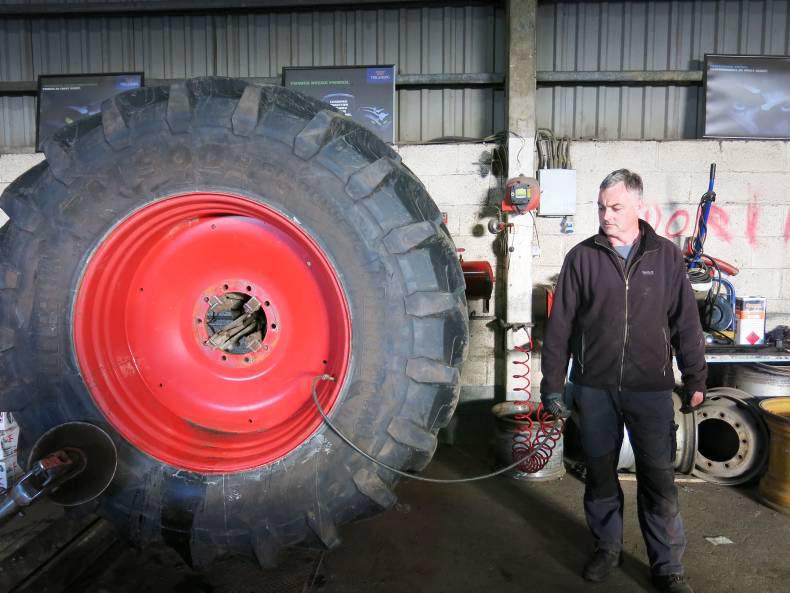
When inflating a tyre, use a nozzle connection that does not need to be held in place by your hand, and also stand to the side of the tyre. A long airline hose allows operators to stay well back from the blast zone. Cracking noises from the tyre may be signs of trouble and not just the tyre expelling over the rim. Don’t use unrestricted air-lines, or allow the control valve to be jammed open, and also never exceed the recommended tyre pressure. A tyre has huge force if blown off the rim.
Picture two
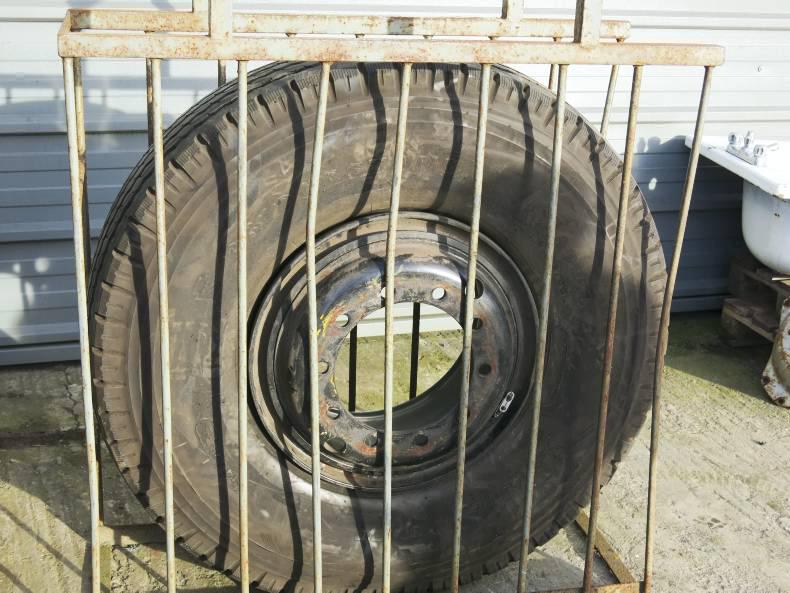
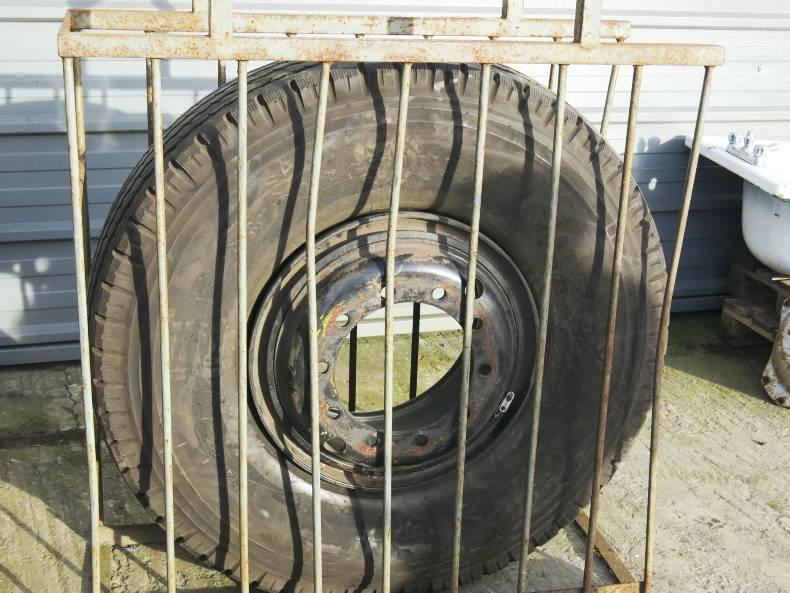
Tyre safety cages can be used, particularly on wheels that are removed from the machine. Their use is somewhat limited and they are not practical for breakdowns, according to Tom. It is often difficult to get the big tractor wheels in a cage. The only option is to inflate the wheels while secured on the tractor, or clamped in the wheel changer in the workshop, using the long hose for inflation. Using a lubricant around the bead of the tyre will help the tyre fit back in to position on the rim.
Picture three
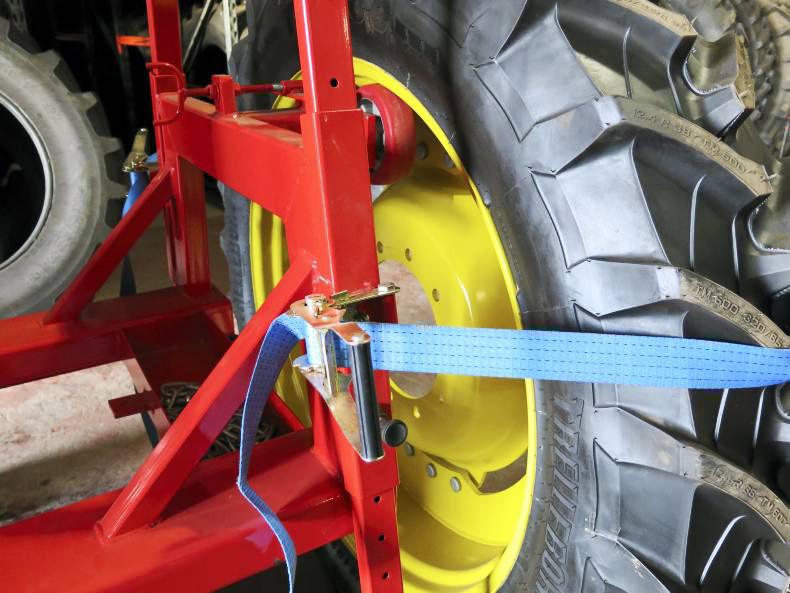
Manual handling of large tyres is just not an option anymore, the weight and height of the tyres make it impossible to manoeuvre without using an attachment like the version pictured or a wheelmate trolley. The advantage of a loader-based attachment is that the tyres can be handled on rough yards to help with breakdowns. The attachment pictured fits on to standard pallet forks and secures the wheel in position to allow movement to align with the tractor studs.
Picture four
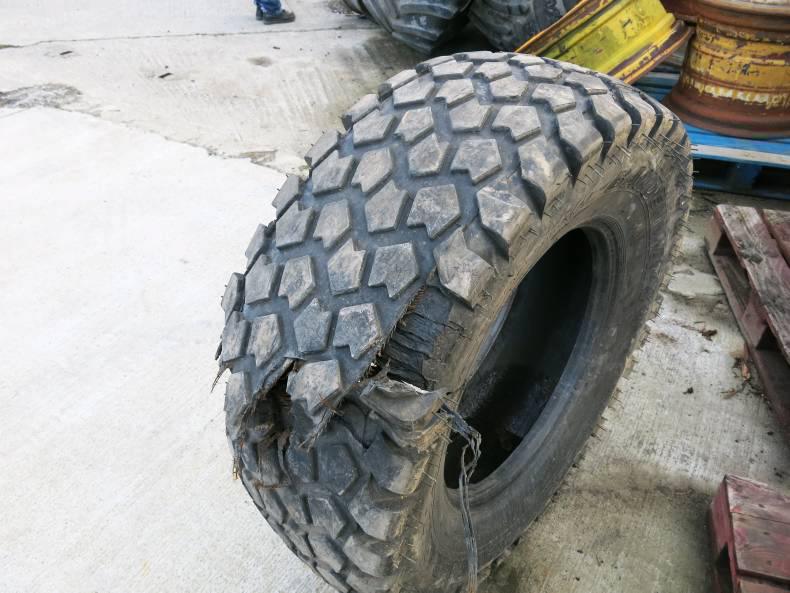
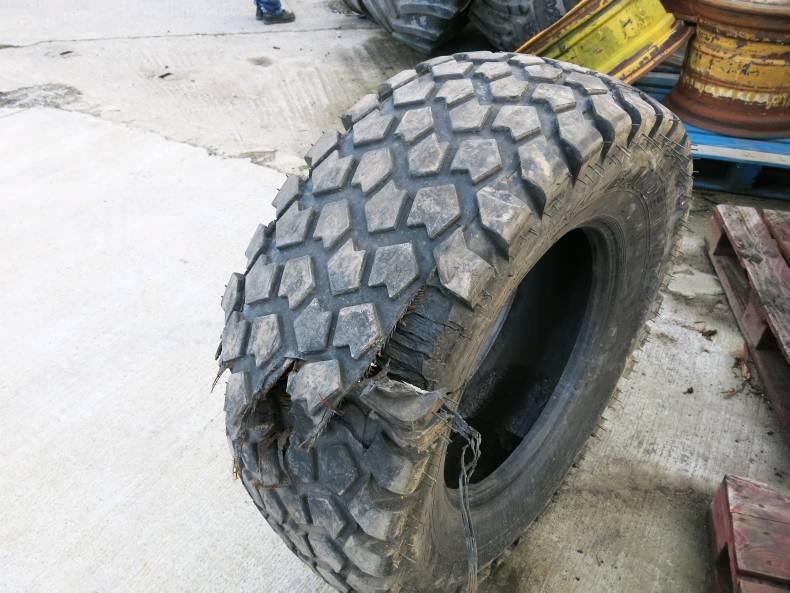
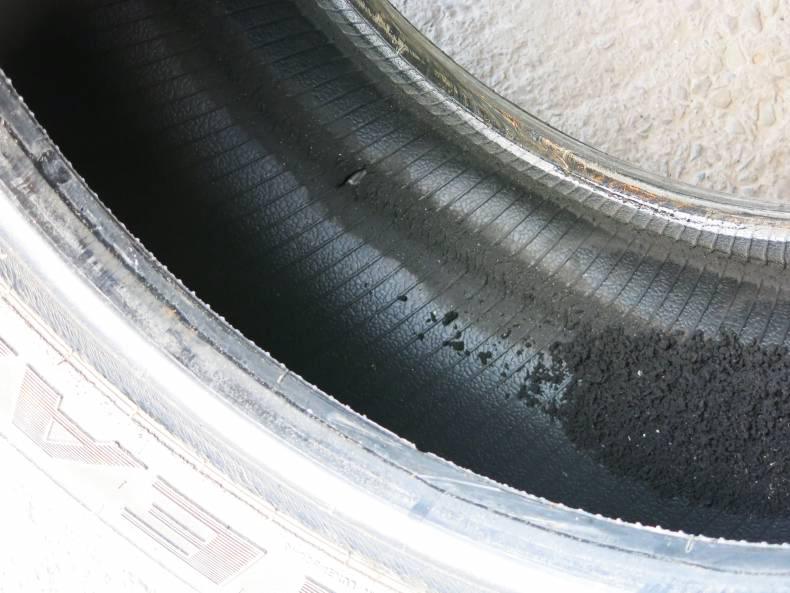
Tyres that are perished should never be replaced as the tyre sidewalls have degraded over time and are more vulnerable to blow outs as the tyre loses the ability to flex in and out. Perished tyres can look like perfect tyres with good grips. Closer examination will reveal dried-out sidewalls with cracking around the rim.
Picture five
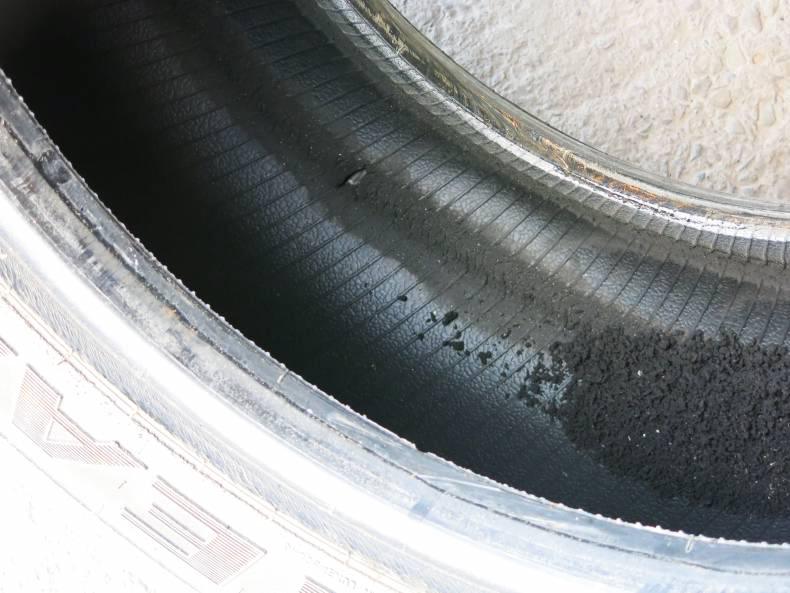
Tyre maintenance is also a common reason why tyres fail. Running tyres at very low pressures results in what is called a zip fracture around the circumference of the tyre. A tyre driven soft that has heated should be let cool down before inflation to avoid possible blowouts.
Picture six
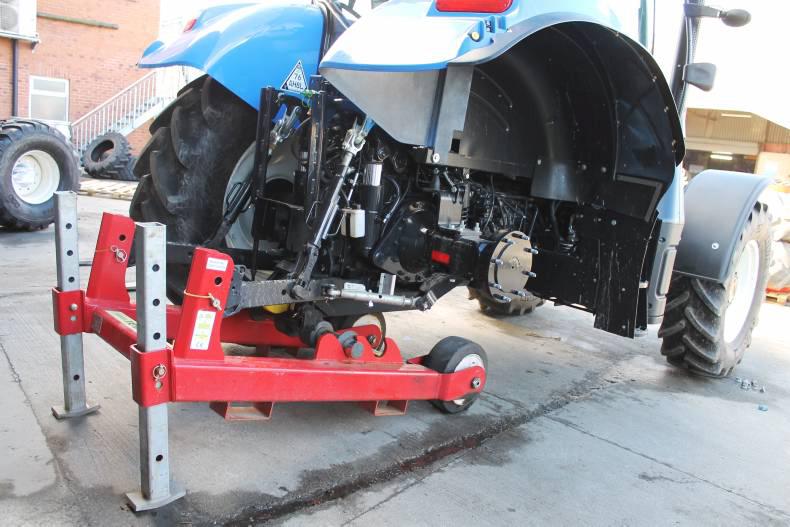
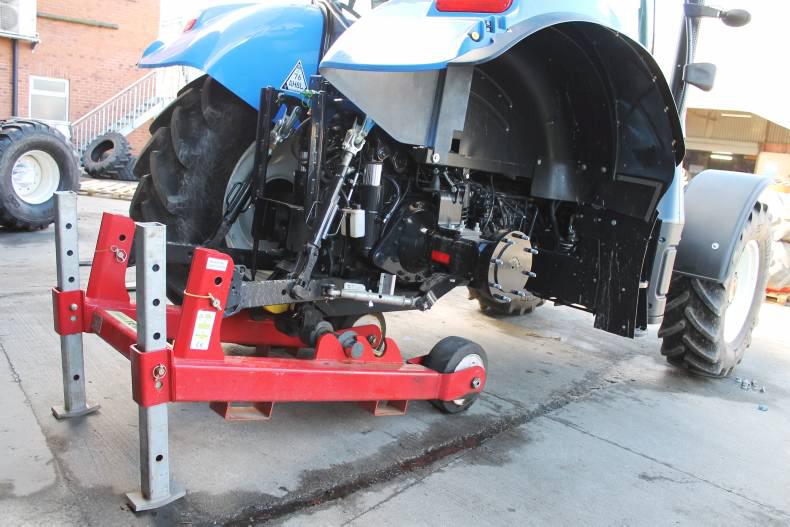
Lifting jacks, tools, and air lines should be in good condition and broken components should be replaced. If leaving a vehicle with a wheel off for repair, the keys should be removed to prevent accidental starting. The ignition wire from the starter could also be taken off. An axle stand must be placed in position underneath the vehicle.
When working on a vehicle, the jack must also never be trusted on its own as a loss in air or oil pressure could have devastating consequences. The axle stand and jack should be the right size for the tractor or machine that is being worked on. Most tractors now weigh 6t. New concepts have been developed, such as TracJack, that make handling tyres easier.
To read the full Tyres Focus Supplement, click
Register for free to read this story and our free stories.
This content is available to digital subscribers and loyalty code users only. Sign in to your account, use the code or subscribe to get unlimited access.
The reader loyalty code gives you full access to the site from when you enter it until the following Wednesday at 9pm. Find your unique code on the back page of Irish Country Living every week.
CODE ACCEPTED
You have full access to the site until next Wednesday at 9pm.
CODE NOT VALID
Please try again or contact support.
The size of tractors and machines has grown over the last number of years, and also the tyres that go with these machines. Handling tyres is and always has been an extremely dangerous task, with careful planning needed to execute the job.
To look at the dangers and the protocols the Irish Farmers Journal visited Tom Geraghty Tyres in Waterford. The business was established in 1981, and there is not much that Tom hasn’t seen when it comes to tyres. He explains that the tyres now are a lot bigger, heavier and bulkier. Changing tyres when he started was a big job on a Ford 7610. Nowadays a Fendt 936 with 800s can be handled with the modern gear and innovation.
Tom has seen his share of accidents with tyres. He points to the spot where a split rim came off a forklift, striking the 30ft-high roof with enough force to leave permanent damage on a solid steel beam. On another occasion, a burst tyre blew debris the length of the workshop. There have also been a number of other incidents. Tom said the weather will always have an impact on the number of accidents. Good spells of weather allow contractors and farmers to get through the work. When the pressure comes on with wet weather, a lot of chances are taken.
Experience
The dangers of injury with tyres are always higher when inexperienced operators are working, and a lot of times the signs of a tyre or a rim on the edge of the limits are not picked up on. Tom explained a few practical measures that can be taken on board when working on a tyre. The area around the tractor should be free from clutter and unnecessary tools and air hoses that will cause trips. The wheels should be choked, and axle stands fitted in position to secure the weight of the tractor.
A tractor or a vehicle with the wheel removed should not be left unattended as another person may be unaware and even try driving the machine. It is always a good idea to have two people working on large tyres with at least one experienced operator.
Picture one
When inflating a tyre, use a nozzle connection that does not need to be held in place by your hand, and also stand to the side of the tyre. A long airline hose allows operators to stay well back from the blast zone. Cracking noises from the tyre may be signs of trouble and not just the tyre expelling over the rim. Don’t use unrestricted air-lines, or allow the control valve to be jammed open, and also never exceed the recommended tyre pressure. A tyre has huge force if blown off the rim.
Picture two
Tyre safety cages can be used, particularly on wheels that are removed from the machine. Their use is somewhat limited and they are not practical for breakdowns, according to Tom. It is often difficult to get the big tractor wheels in a cage. The only option is to inflate the wheels while secured on the tractor, or clamped in the wheel changer in the workshop, using the long hose for inflation. Using a lubricant around the bead of the tyre will help the tyre fit back in to position on the rim.
Picture three
Manual handling of large tyres is just not an option anymore, the weight and height of the tyres make it impossible to manoeuvre without using an attachment like the version pictured or a wheelmate trolley. The advantage of a loader-based attachment is that the tyres can be handled on rough yards to help with breakdowns. The attachment pictured fits on to standard pallet forks and secures the wheel in position to allow movement to align with the tractor studs.
Picture four
Tyres that are perished should never be replaced as the tyre sidewalls have degraded over time and are more vulnerable to blow outs as the tyre loses the ability to flex in and out. Perished tyres can look like perfect tyres with good grips. Closer examination will reveal dried-out sidewalls with cracking around the rim.
Picture five
Tyre maintenance is also a common reason why tyres fail. Running tyres at very low pressures results in what is called a zip fracture around the circumference of the tyre. A tyre driven soft that has heated should be let cool down before inflation to avoid possible blowouts.
Picture six
Lifting jacks, tools, and air lines should be in good condition and broken components should be replaced. If leaving a vehicle with a wheel off for repair, the keys should be removed to prevent accidental starting. The ignition wire from the starter could also be taken off. An axle stand must be placed in position underneath the vehicle.
When working on a vehicle, the jack must also never be trusted on its own as a loss in air or oil pressure could have devastating consequences. The axle stand and jack should be the right size for the tractor or machine that is being worked on. Most tractors now weigh 6t. New concepts have been developed, such as TracJack, that make handling tyres easier.
If you would like to speak to a member of our team, please call us on 01-4199525.
Link sent to your email address
We have sent an email to your address. Please click on the link in this email to reset your password. If you can't find it in your inbox, please check your spam folder. If you can't find the email, please call us on 01-4199525.
ENTER YOUR LOYALTY CODE:
The reader loyalty code gives you full access to the site from when you enter it until the following Wednesday at 9pm. Find your unique code on the back page of Irish Country Living every week.








SHARING OPTIONS