



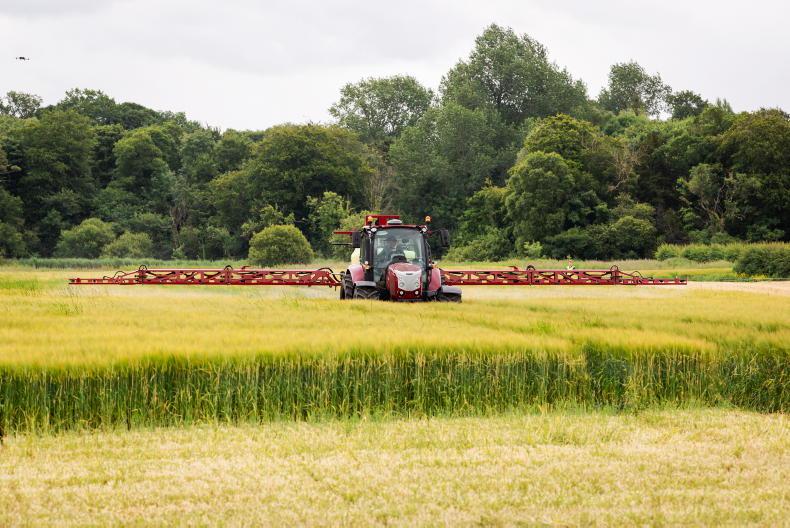
It’s easy to be negative in tillage at present, because, in general, things are negative. Prices are not meeting production costs, premium markets are getting smaller and there’s a lack of support from some in other sectors.
However, the reality is that the majority of tillage farmers will continue to plant in 2026. Some will lose rented land due to costs and some will cut back on rented land due to costs. The area is likely to decline, but what remains needs to be made as profitable as possible.
In this article we look at some actions you can take to start 2026 off on a positive note and help your business, and hopefully your yields and profits.
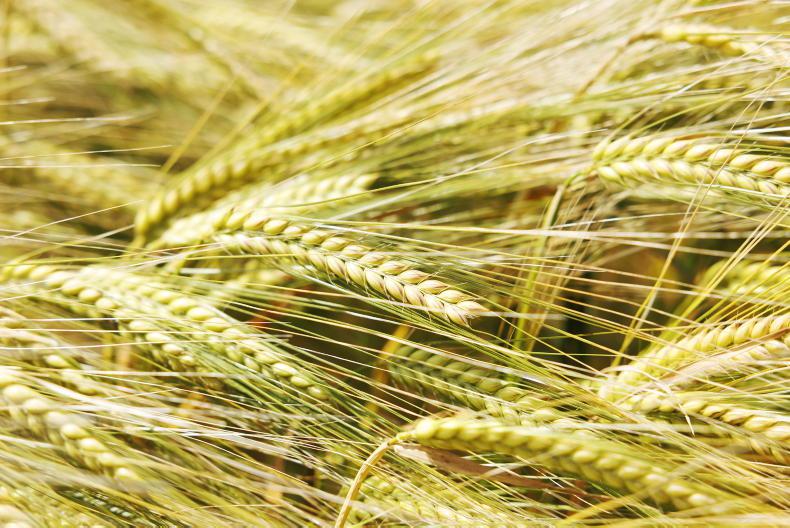
Try to access premium contracts
Premium contracts like malting barley, food-grade barley for distilling, food-grade and gluten-free oats are all smaller this year than last. However, if you can get a contract hold on to it, because every little bit extra on a tonne of grain is important.
That said, malting barley is trading badly at present and at times is under feed value. You would need some amount of certainty on price before signing up. It is also important to have a good variety. Some of the varieties being grown for malting are very old, are not hitting yields that are possible with others and break down easily.
Chat to your agronomist or grain buyer before ordering seed to iron out the details. Aside from premium contracts, make sure you have a sales point for other grain, like oats and beans, some merchants are unbelievably struggling to find a home for those grains at present.

Soil sample
Make sure your soil samples are in date. You need new soil samples every four years. If you don’t have in-date soil samples then you will have to assume index four for phosphorus under nitrates rules. It is important to note that if you are taking samples in the autumn time, you should take them after 15 September for them to count for the following year. If you take them before, then you will lose out on a year for the sample.
These samples need to have a LPIS number or GPS co-ordinates. Once you have the results back, you should make a nutrient management plan to use fertiliser efficiently.
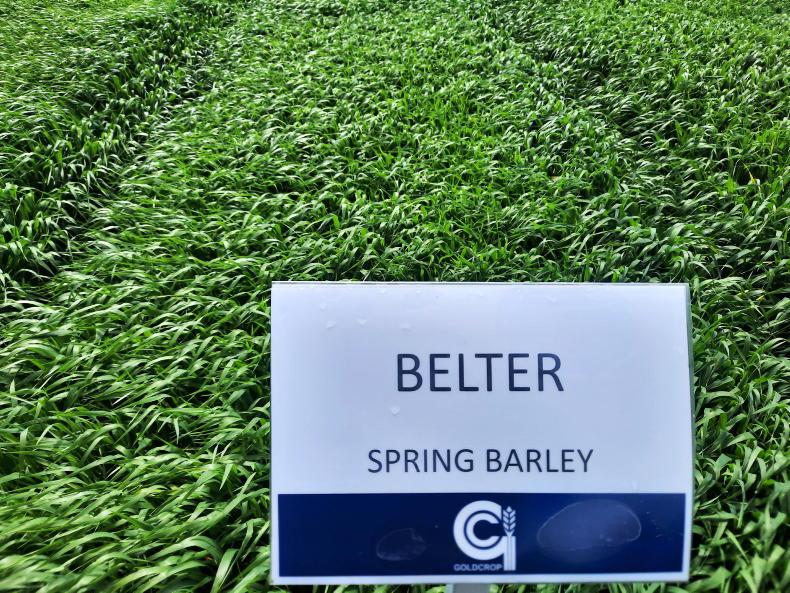
Order your favoured varieties
Before planting season starts you should book your preferred varieties. Some varieties suit different locations and farms better than others, so make sure you look through the recommended lists to decide what variety suits your situation best. You should of course look at yield when choosing a variety, but also look at other things like straw strength and length. If you have markets for straw, you might prefer taller varieties.
You should also look at the disease profile. If you are in the south of the country you need a good septoria rating and if you are in the east or northeast you need a variety with good resistance to rust.
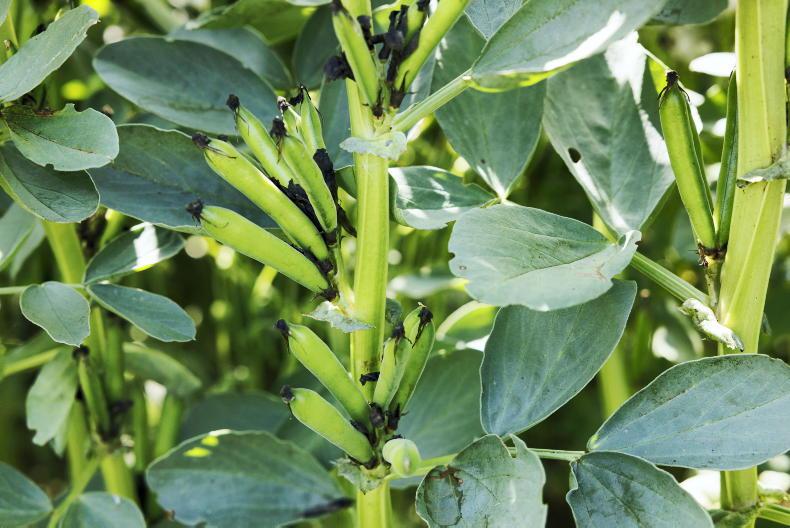
Make use of schemes
Tillage farmers need to make use of every scheme available to them. Protein Aid brings in a high payment, but also the advantages of a break crop and benefits to the next crop. The Teagasc National Farm Survey has shown that 84% of tillage family farm income came from direct payments in 2024, so they are a crucial part of income. Many farmers are finding it hard to sell straw now. Some of this would have been better chopped and you would have the €250/ha payment. I understand that the Farming for Water Programme is not accepting new applicants for the catch crop measure unless you are in a nitrate vulnerable zone. If you were in the scheme last year, you are automatically in it again this year.
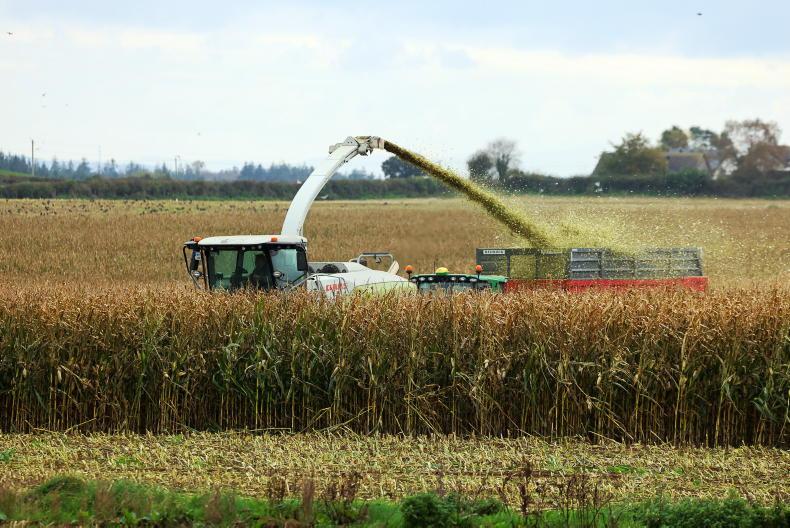
Can you pair up with a livestock farmer?
Following on from the demand for straw, there needs to be more done to get tillage and livestock farmers to work together. It is terrible to see so much straw being imported into the country. Livestock farmers should be purchasing Irish straw, but for some reason some are not. If you know someone importing straw, then maybe approach them and ask them why they won’t support local.
Maybe there are some farmers you could work with to make an arrangement on straw. Could you take farmyard manure from them if they buy the straw and the price could be slightly lower? Make sure you do not take farmyard manure produced from imported straw.
You might also make an agreement to grow forage crops for a livestock farmer. Put a contract and a payment schedule in place if you are.

Do your costs
Estimate your costs for the year ahead. A handy way to do it is to use the Teagasc costs and returns figures and input current grain prices, or a price that you have sold at. Do not overestimate the price. Be pessimistic on the price if anything. You might decide you should grow a few acres more beans instead of spring barley, or you might decide to grow a forage crop.
Assess land leases
Once you have your costs done, you should assess any land leases you may have. Does it stack up economically to rent land at €250-400/ac if you are growing spring barley and are not making money on it, or are breaking even? Some farmers will keep holding on to leases in the hope that incomes improve. This is a big if. It’s not nice to see land leaving tillage, but it is worse to see farmers not making a profit and owing money.

Choose HVS seed
When it comes to catch crops make sure you are choosing Higher Voluntary Standard (HVS) seed. This season grass weed seeds, including wild oats, brome and blackgrass were found in catch crop seed. If planted, this poses a serious risk of grass weed infestation on your farm. HVS seed is what it says on the tin, a higher standard seed which carries International Seed Testing certificates to say that the seed is free of blackgrass, brome and wild oats. If you are ordering or purchasing seed, make sure you are ordering higher voluntary seed to take the risk of grass weeds in imported seed out of the equation. HVS will be written on the Department’s label on the bag of seed if it is certified.
Make something safer
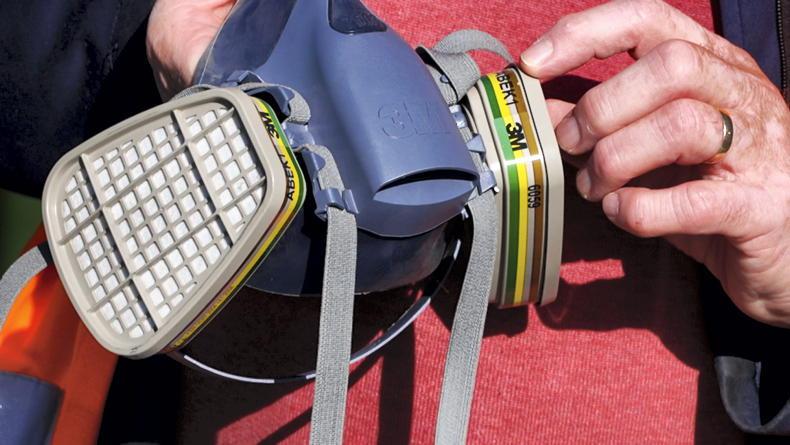
Take a walk around the yard over Christmas and assess what could be fixed or replaced. You can use the Health and Safety Authority’s farm safety assessment as a guide. Maybe you need a new PTO cover, is there a gate not hanging right that could fall? Is machinery serviced and topped up with brake fluid, etc? Are parts of the yard slippery? Have you all your personal protective equipment together for spraying? It might help if someone walked with you. Could you get a neighbour to join you and you join them on their farm as well to have another pair of eyes on the situation?
Fill out AgNav
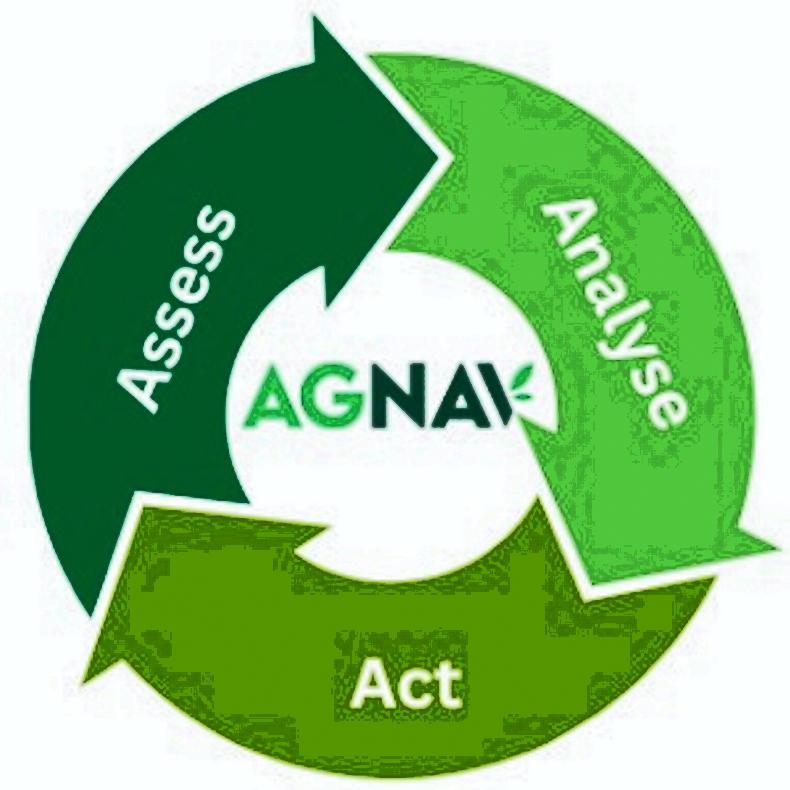
AgNav is a tool that calculates your farm’s carbon footprint. It was created by Teagasc, Bord Bia and ICBF. Many will be able to fill it out themselves, but it might be easier to get some help the first-time round. Teagasc has advisers specifically employed to do this job, so if you ring your local Teagasc office they can set up a meeting with you. You will need your crop records for seed, fertiliser and spray and the number of times you travelled through a crop. Diesel use is a big estimate. You will also need your crop yields. Hopefully in time AgNav will add a premium to grain. Next year the Malting Company of ireland will use it as part of a pilot Sustainabiity Assurance Scheme.



SHARING OPTIONS