A dose that is effective against both immature and mature fluke is needed at this time of year.
ADVERTISEMENT
Forecasts based on climate data indicate there is a high risk of liver fluke on NI livestock farms this autumn and winter.
The forecasts by the Agri Food and Biosciences Institute (AFBI) are based on an average total rainfall of 94mm from May to September 2025, which is 16% higher than the long-term average.
Similarly, the average monthly temperature from May to September 2025 of 14 degrees Celsius was 9% above the long-term average.
ADVERTISEMENT
High temperatures and rainfall are ideal for the fluke’s intermediate host, the mud snail, to breed and for the fluke larvae to develop
AFBI state that the climate-based model used to predict liver fluke infestations, known as the Ollerenshaw Index, is currently above 400.
“This level prompts a forecast of high prevalence of fluke infection in stock if appropriate measures are not taken,” AFBI said.
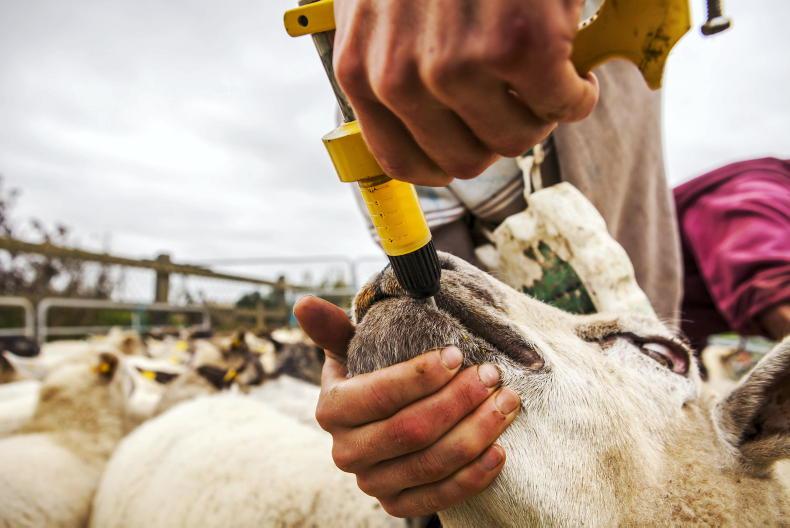
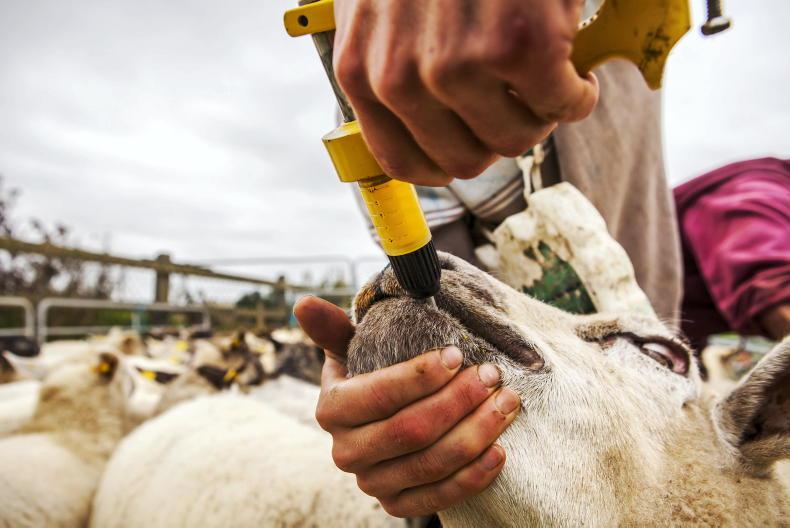
When treating livestock at this time of year, a product that is effective against both immature and mature forms of fluke is needed.
Register for free to read this story and our free stories.
This content is available to digital subscribers and loyalty code users only. Sign in to your account, use the code or subscribe to get unlimited access.
The reader loyalty code gives you full access to the site from when you enter it until the following Wednesday at 9pm. Find your unique code on the back page of Irish Country Living every week.
CODE ACCEPTED
You have full access to the site until next Wednesday at 9pm.
CODE NOT VALID
Please try again or contact support.
Forecasts based on climate data indicate there is a high risk of liver fluke on NI livestock farms this autumn and winter.
The forecasts by the Agri Food and Biosciences Institute (AFBI) are based on an average total rainfall of 94mm from May to September 2025, which is 16% higher than the long-term average.
Similarly, the average monthly temperature from May to September 2025 of 14 degrees Celsius was 9% above the long-term average.
High temperatures and rainfall are ideal for the fluke’s intermediate host, the mud snail, to breed and for the fluke larvae to develop
AFBI state that the climate-based model used to predict liver fluke infestations, known as the Ollerenshaw Index, is currently above 400.
“This level prompts a forecast of high prevalence of fluke infection in stock if appropriate measures are not taken,” AFBI said.
When treating livestock at this time of year, a product that is effective against both immature and mature forms of fluke is needed.
If you would like to speak to a member of our team, please call us on 01-4199525.
Link sent to your email address
We have sent an email to your address. Please click on the link in this email to reset your password. If you can't find it in your inbox, please check your spam folder. If you can't find the email, please call us on 01-4199525.
ENTER YOUR LOYALTY CODE:
The reader loyalty code gives you full access to the site from when you enter it until the following Wednesday at 9pm. Find your unique code on the back page of Irish Country Living every week.







SHARING OPTIONS