



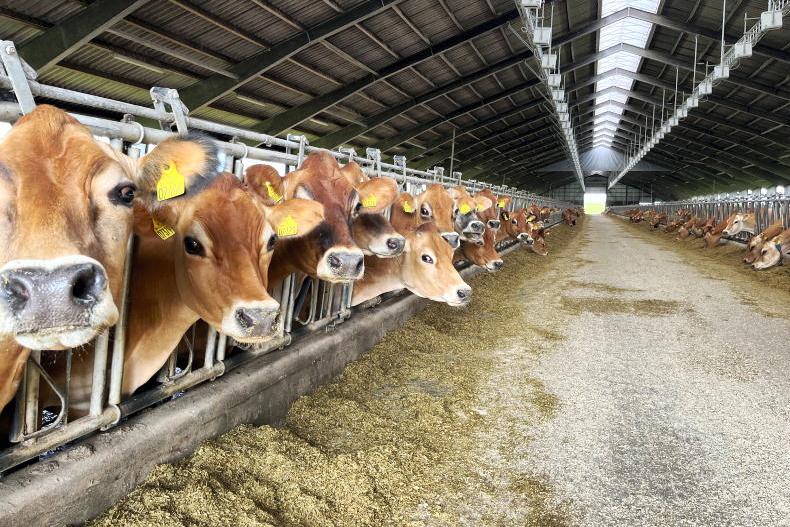
The European Commission has given the go-ahead to Denmark to proceed with a €1.04bn scheme aimed at funding the removal of farmland and forestry from productive use.
The Danish government hopes the scheme will cut greenhouse gas emissions and reduce nitrogen and phosphorous losses to waterways.
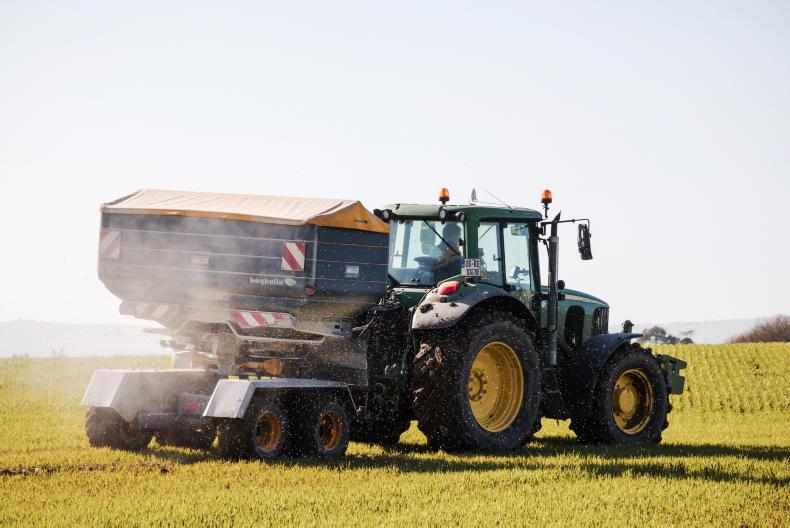
Lands entered into the scheme will be permanently extensified, meaning that farm management practices - including tilling, fertiliser application or pesticide use - will no longer be permitted.
The scheme is to run out at the end of 2030.
The Commission said that it was notified by Denmark of its plans to “support landowners voluntarily ceasing agricultural production on their land” as the country sought EU approval for the scheme under state aid rules.
“The project involves the permanent extensification of farming, meaning that the land will not be tilled and no pesticides or fertilisers will be used,” the Commission stated in its decision to allow the scheme to proceed.
Restoration
“This will lead to the restoration of the soil's natural hydrology through the creation of wetlands. This will in turn lead to a reduction in the emissions of greenhouse gases and nitrogen.
“To achieve the desired effects, projects may support actions such as the creation or relocation of fences to allow grazing to maintain nature maintenance and promote biodiversity.”
Additional compensation may be granted to landowners with forestry “connected by water to agricultural land” to cease the management of their forest lands for production.
Any forested lands “permanently set aside” under the scheme “cannot be included in forest production again, even after a change of ownership, as the goal is to achieve a long-term and lasting environmental and climate impact”.
The scheme is to cover up to 100% of the eligible costs associated with the land use changes, including “non-productive investments, a compensation for the permanent loss of income caused by the setting aside of land and the restrictions imposed”.
Legal and site survey costs associated with the changes will also be eligible for grants.
Aid may take the form of direct grants or benefits in kind, such as the provision of consultancy or the purchase by the state of goods or services on applicants’ behalf.
“The scheme is part of a Danish initiative to finance a significant transformation of land, with the aim to create the basis for a good aquatic environment, to reduce climate pressure while providing more space for nature and better conditions for biodiversity and to protect drinking water,” Brussels also said.



SHARING OPTIONS