By the month of May, Irish soils have warmed up, days are longer and seeds sown now mostly germinate with a reliability that isn’t possible earlier in the season. The only real hazard is the risk of late frost, which can still catch out the unwary. It pays to keep good records, note local frost dates, keep a close eye on the forecast, and have fleece to hand when needed.
For many gardeners, particularly those without polytunnels or propagation benches, direct sowing offers a more straightforward way of growing from seed. It requires less time and fewer resources for raising seedlings, reduces transplant shock, and allows plants to establish exactly as they would in nature
Preparation before sowing
As with a lot of jobs, preparation is key, and a soil thermometer can be a useful way of gauging whether your soil is ready for sowing. If the soil feels cold to the touch, don’t sow – historically a bare bum was substituted here, but that’s not very neighbour or postman friendly! This is particularly relevant in Ireland, where some soils warm slower than others.
For direct sowing, a fine tilth is essential, with the top layer of soil broken into a crumbly surface free from clods. This allows for good seed-to-soil contact and moisture distribution, both critical for germination. Always ensure weeds are removed before sowing, as young seedlings are poor competitors at this stage.
In a no-dig system, the surface compost mulch layer is simply pulled back before sowing.
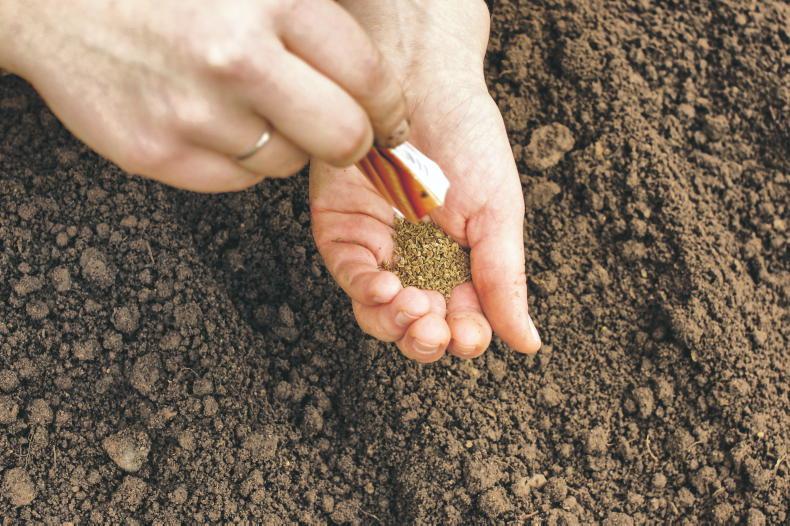
A shallow drill is then made with a hoe before seed is sown. This action is essentially shallow or minimum till in a garden setting and will create a workable tilth without disturbing the structure of the whole bed.
Moisture management is important in every system. It is far more effective to water the drill before sowing rather than after, preventing small seeds from being displaced. Once sown, a gentle firming of the soil helps settle everything into place.
Simple tips for good results
Direct sowing is best suited to root crops and those grown at closer spacing, such as radish, salads, spinach, coriander and beetroot, and makes far less sense for widely spaced crops such as cabbage and courgettes. In these cases, module sowing works great. Root crops should always be direct sown, and it is hard not to wince at the sight of these being sold in modules.
The beauty of sowing directly into the ground is that it is low input, but small refinements make a difference. Straight drills can be made using the back of a rake or hoe, and a string line remains one of the most reliable guides. Leaving the line in place until germination keeps rows defined, or alternatively lift the line and mark the ends of the row to maintain a guide.
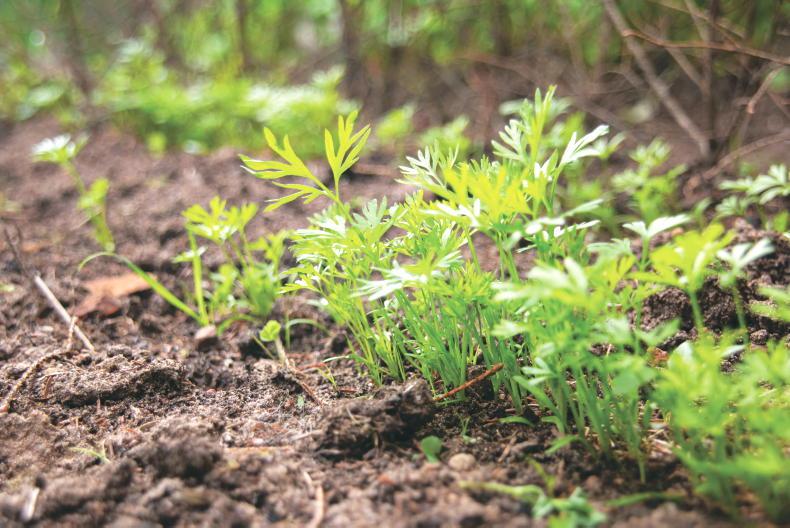
A simple technique when sowing slower germinating crops such as carrots or parsnips is to include a light scattering of radish seed. Radish germinates quickly and acts as a clear row marker.
A few things will soldier on regardless of temperature, and crops such as broad beans, peas, radishes and potatoes can be sown from as early as mid-March, depending on the weather. But May is ideal for direct sowing a wide range of other crops, with warmer conditions bringing quicker germination and steadier growth. Beetroot, carrots, parsnips, scallions, swedes and turnips all perform well from direct sowings now.
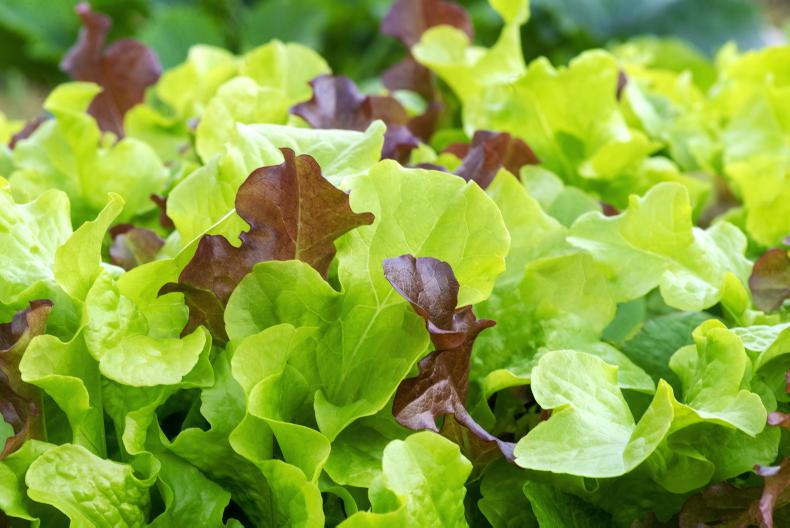
Leafy crops such as lettuce also respond well now, but hold off on coriander, spinach, rocket and oriental greens until mid-to-late-August, when they will establish quickly but are less likely to bolt than in mid-summer. Dwarf French beans can now be sown, while herbs such as dill and parsley should also germinate readily outdoors. Hardy annuals such as poppies, calendula, nigella and wildflower mixes will also take off quickly if sown on bare ground now.
Managing risk
Direct sowing can feel exposed, as seeds are placed straight into an open battleground, subject to weather, pests and temperature fluctuations. Care should be taken if sowing in windy conditions, lest light seeds blow away. Slugs, in particular, can be problematic, so remaining observant after sowing is non-negotiable. If May turns dry, as it sometimes can, continual watering is vital for reliable germination and early crop establishment.
Q&A: Can I plant first early seed potatoes?

The key is to get seed potatoes in soon. \iStock
The ground has been very wet and my first early seed potatoes are still sitting in bags. Do I need to buy maincrop to plant now? – Mairead, Co Meath
While earlier planting can give a headstart, soil conditions matter far more than the calendar. Cold, wet soil is the real enemy, often leading to rot and poor emergence before growth even begins.
First earlies typically take around 90 days to mature, so if planted in mid-May they will usually be ready for harvest in mid-August. The key is to get them in as soon as the soil is ready, not simply because the date says so.
Module/tray sowings for transplanting in polytunnel: cucumber, melon, climbing French beans and basil.
Module/tray sowings for transplanting outdoors next month: amaranth, Brussels sprouts, cabbage, calabrese, cauliflower, celery, chard, courgette, parsley, squash, sweetcorn and winter leeks.
Direct sow outdoors: beetroot, carrots, parsnips, peas, potatoes, radish, turnip, spring onions, swede and successional sowings of salad leaves.
Do you have a gardening question? Email
icl@farmersjournal.ie or post to Irish Country Living, Irish Farm Centre, Bluebell, Dublin 12.
By the month of May, Irish soils have warmed up, days are longer and seeds sown now mostly germinate with a reliability that isn’t possible earlier in the season. The only real hazard is the risk of late frost, which can still catch out the unwary. It pays to keep good records, note local frost dates, keep a close eye on the forecast, and have fleece to hand when needed.
For many gardeners, particularly those without polytunnels or propagation benches, direct sowing offers a more straightforward way of growing from seed. It requires less time and fewer resources for raising seedlings, reduces transplant shock, and allows plants to establish exactly as they would in nature
Preparation before sowing
As with a lot of jobs, preparation is key, and a soil thermometer can be a useful way of gauging whether your soil is ready for sowing. If the soil feels cold to the touch, don’t sow – historically a bare bum was substituted here, but that’s not very neighbour or postman friendly! This is particularly relevant in Ireland, where some soils warm slower than others.
For direct sowing, a fine tilth is essential, with the top layer of soil broken into a crumbly surface free from clods. This allows for good seed-to-soil contact and moisture distribution, both critical for germination. Always ensure weeds are removed before sowing, as young seedlings are poor competitors at this stage.
In a no-dig system, the surface compost mulch layer is simply pulled back before sowing.
A shallow drill is then made with a hoe before seed is sown. This action is essentially shallow or minimum till in a garden setting and will create a workable tilth without disturbing the structure of the whole bed.
Moisture management is important in every system. It is far more effective to water the drill before sowing rather than after, preventing small seeds from being displaced. Once sown, a gentle firming of the soil helps settle everything into place.
Simple tips for good results
Direct sowing is best suited to root crops and those grown at closer spacing, such as radish, salads, spinach, coriander and beetroot, and makes far less sense for widely spaced crops such as cabbage and courgettes. In these cases, module sowing works great. Root crops should always be direct sown, and it is hard not to wince at the sight of these being sold in modules.
The beauty of sowing directly into the ground is that it is low input, but small refinements make a difference. Straight drills can be made using the back of a rake or hoe, and a string line remains one of the most reliable guides. Leaving the line in place until germination keeps rows defined, or alternatively lift the line and mark the ends of the row to maintain a guide.
A simple technique when sowing slower germinating crops such as carrots or parsnips is to include a light scattering of radish seed. Radish germinates quickly and acts as a clear row marker.
A few things will soldier on regardless of temperature, and crops such as broad beans, peas, radishes and potatoes can be sown from as early as mid-March, depending on the weather. But May is ideal for direct sowing a wide range of other crops, with warmer conditions bringing quicker germination and steadier growth. Beetroot, carrots, parsnips, scallions, swedes and turnips all perform well from direct sowings now.
Leafy crops such as lettuce also respond well now, but hold off on coriander, spinach, rocket and oriental greens until mid-to-late-August, when they will establish quickly but are less likely to bolt than in mid-summer. Dwarf French beans can now be sown, while herbs such as dill and parsley should also germinate readily outdoors. Hardy annuals such as poppies, calendula, nigella and wildflower mixes will also take off quickly if sown on bare ground now.
Managing risk
Direct sowing can feel exposed, as seeds are placed straight into an open battleground, subject to weather, pests and temperature fluctuations. Care should be taken if sowing in windy conditions, lest light seeds blow away. Slugs, in particular, can be problematic, so remaining observant after sowing is non-negotiable. If May turns dry, as it sometimes can, continual watering is vital for reliable germination and early crop establishment.
Q&A: Can I plant first early seed potatoes?

The key is to get seed potatoes in soon. \iStock
The ground has been very wet and my first early seed potatoes are still sitting in bags. Do I need to buy maincrop to plant now? – Mairead, Co Meath
While earlier planting can give a headstart, soil conditions matter far more than the calendar. Cold, wet soil is the real enemy, often leading to rot and poor emergence before growth even begins.
First earlies typically take around 90 days to mature, so if planted in mid-May they will usually be ready for harvest in mid-August. The key is to get them in as soon as the soil is ready, not simply because the date says so.
Module/tray sowings for transplanting in polytunnel: cucumber, melon, climbing French beans and basil.
Module/tray sowings for transplanting outdoors next month: amaranth, Brussels sprouts, cabbage, calabrese, cauliflower, celery, chard, courgette, parsley, squash, sweetcorn and winter leeks.
Direct sow outdoors: beetroot, carrots, parsnips, peas, potatoes, radish, turnip, spring onions, swede and successional sowings of salad leaves.
Do you have a gardening question? Email
icl@farmersjournal.ie or post to Irish Country Living, Irish Farm Centre, Bluebell, Dublin 12.
SHARING OPTIONS