As the garden focus shifts from weeding and feeding to lifting, storing and preserving, the main challenge now is keeping up with the glut.
After months of hard toil and commitment, careful harvesting and storage ensures that nothing goes to waste and your garden continues to keep giving long after the season has passed. It is also a good time to take note of what grew well and what didn’t because this will inform next year’s sowing plan.
Apples
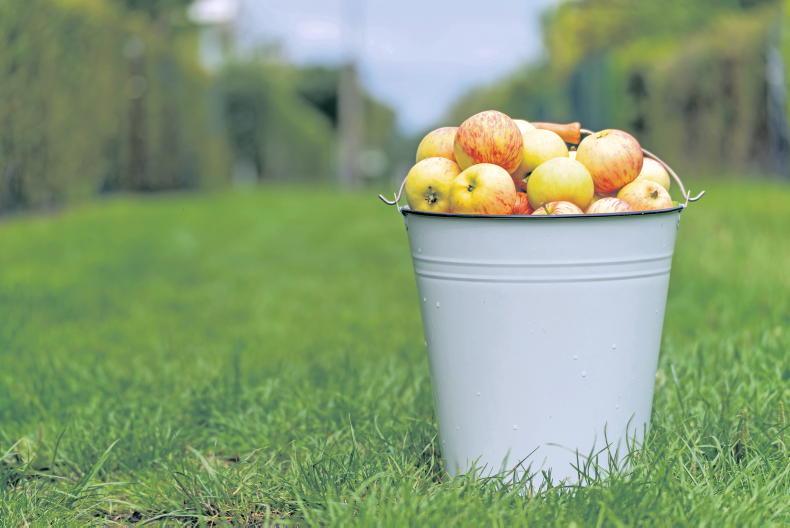
Apple trees are laden with fruit this year with branches almost breaking under the bounty. Early apple varieties and windfalls are best eaten fresh or used to make juice, cider or applesauce. Drying/dehydrating slices can be time-consuming but the results are well worth the effort.
Apples also form the base of most chutneys and scraps can be saved for making cider vinegar.
Later varieties, particularly cooking apples and eaters with firmer flesh, will keep for several months if stored correctly in a cool, dark, rodent-free, well-ventilated shed or garage. Pick apples carefully, twisting gently rather than pulling and keeping the stalk intact. Select only those in perfect condition and store in shallow crates or slatted boxes. Keep them in a single layer to allow air circulation and check regularly for signs of rot, removing any suspect fruit immediately. With proper conditions, stored apples can provide a fresh supply through to March or even April.
Potatoes
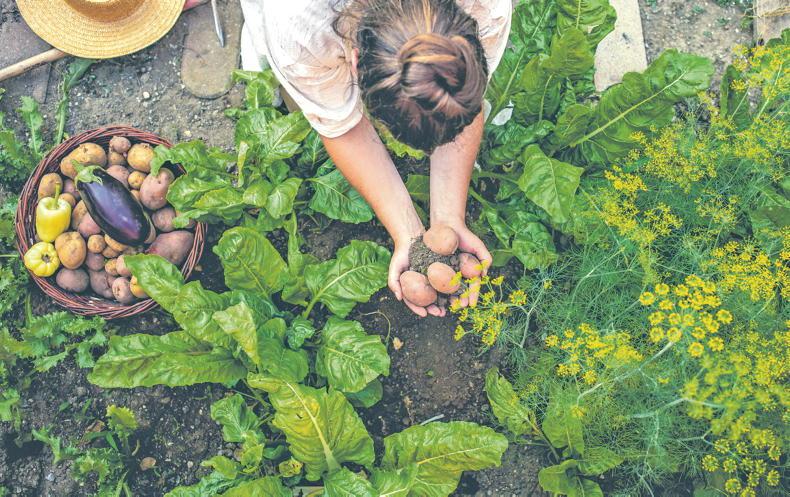
Going back to school and picking potatoes are two childhood events that remain closely linked for me. September is undoubtedly the ideal month for lifting and storing spuds. Using a garden fork alongside your hands, carefully unearth the tubers, taking care not to damage them.
Always aim to harvest in dry weather. By now, haulms will likely have died back or been cut, which helps the tuber skins mature and cure in the ground before storage. Gently brush off excess soil and store potatoes in a cool, dark, frost and rodent-free shed.
Properly stored, they will keep right through to the following year. If your crop is healthy, set aside some tubers to use as seed next season, especially varieties you love and fear may not be available again.
Courgettes
When courgette plants are happy, their fruits come hard and fast and the best way to cook them is low and slow. Pick courgettes small for the best texture but surpluses can be used in soups, relishes, chutneys and cakes. Grated courgette will freeze well in portions, ready for baking or adding to sauces. Inevitably, a few fruits escape notice and swell into marrows.
While less fashionable, marrows store well and are relatively tasty when stuffed and baked. Marrow and apricot chutney and marrow and ginger jam are both delicious and earn their space in any preserve cupboards.
Onions and shallots
Onions and shallots signal their readiness when the green tops flop and start to die back naturally. Don’t be tempted to bend them over, as was once common practice, since this only increases the risk of rot. Instead, lift them gently, keeping the leaves intact, and lay them out in a single layer to dry. If the weather is fine, let them cure outdoors on racks or mesh, otherwise use a polytunnel or an airy shed. Turn them every few days until the skins are crisp and papery and the ‘neck test’ is passed (the neck should feel firm and dry, not soft or spongy).
Properly cured bulbs can be tied into traditional plaits using their dried leaves, hung from baling twine, or kept in mesh sacks. Store them in a cool, dry, frost-free space, and check regularly for signs of rot. Cured and stored correctly, they’ll last well into spring.
Beetroot
Beetroot can be harvested at different stages depending on your preference. Baby beets are ready when they’re about the size of a golf ball, while larger roots can be left to grow to tennis ball size. To harvest, gently loosen the soil around the roots with a fork and carefully pull the beetroot out of the ground by its foliage. If in good condition, leaves are edible and can be cooked like spinach.
For winter storage, harvest main crop beetroot in dry weather and before a hard frost. Brush off excess soil, cut the foliage to about 2cm above the root and refrain from washing to prolong life span. Eat damaged or broken beets first and store the remainder in damp sand in a dark cold rodent proof shed.
Alternatively, in milder areas, leave beetroot in the ground, covered with a thick layer of bracken or straw and harvest as required.
Module/tray sowings for transplanting in the polytunnel next month: Winter lettuce, lambs lettuce, claytonia, oriental greens such as pak choi, mibuna, mizuna and mustards, rocket, annual spinach and perpetual spinach.
Module/tray sowings for transplanting outdoors: Spring cabbage and perpetual spinach can be sown early in the month.
Direct sow outdoors: Leafy crops such as winter salads, spinach, lambs lettuce, oriental greens and coriander can now be sown directly outside.
To ensure their success in days of fading light and lower temperatures, have a cloche or fleece to hand. Hardy annual flowers such as calendula, cornflowers and nigella can also be direct sown outside now.
Q&A: Should I rein in my plants?
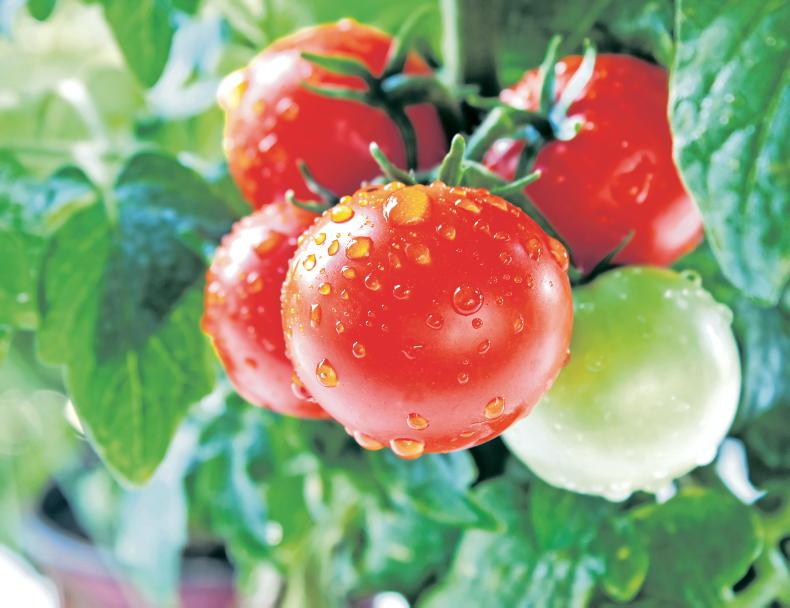
Tomato plants. \ iStock
My tomatoes, cucumbers and squashes are still putting on lots of leaf and flowers. Should I rein them in so the fruit has a chance to ripen? - Phylis, Co Dublin
Stopping these vigorous plants at this stage is essential to secure a decent harvest.
To achieve this you need to pinch out growing tips above a leaf node. This redirects energy away from producing more flowers and instead encourages the fruit already on the plant to swell and ripen.
Without this step, late fruit will fail to mature before cold weather sets in. It also pays to remove some leaves at this stage to allow light and air reach the fruit and assist ripening.
Module/tray sowings for transplanting in the polytunnel next month: Winter lettuce, lambs lettuce, claytonia, oriental greens such as pak choi, mibuna, mizuna and mustards, rocket, annual spinach and perpetual spinach.
Module/tray sowings for transplanting outdoors: Spring cabbage and perpetual spinach can be sown early in the month.
Direct sow outdoors: Leafy crops such as winter salads, spinach, lambs lettuce, oriental greens and coriander can now be sown directly outside.
To ensure their success in days of fading light and lower temperatures, have a cloche or fleece to hand. Hardy annual flowers such as calendula, cornflowers and nigella can also be direct sown outside now.
As the garden focus shifts from weeding and feeding to lifting, storing and preserving, the main challenge now is keeping up with the glut.
After months of hard toil and commitment, careful harvesting and storage ensures that nothing goes to waste and your garden continues to keep giving long after the season has passed. It is also a good time to take note of what grew well and what didn’t because this will inform next year’s sowing plan.
Apples
Apple trees are laden with fruit this year with branches almost breaking under the bounty. Early apple varieties and windfalls are best eaten fresh or used to make juice, cider or applesauce. Drying/dehydrating slices can be time-consuming but the results are well worth the effort.
Apples also form the base of most chutneys and scraps can be saved for making cider vinegar.
Later varieties, particularly cooking apples and eaters with firmer flesh, will keep for several months if stored correctly in a cool, dark, rodent-free, well-ventilated shed or garage. Pick apples carefully, twisting gently rather than pulling and keeping the stalk intact. Select only those in perfect condition and store in shallow crates or slatted boxes. Keep them in a single layer to allow air circulation and check regularly for signs of rot, removing any suspect fruit immediately. With proper conditions, stored apples can provide a fresh supply through to March or even April.
Potatoes
Going back to school and picking potatoes are two childhood events that remain closely linked for me. September is undoubtedly the ideal month for lifting and storing spuds. Using a garden fork alongside your hands, carefully unearth the tubers, taking care not to damage them.
Always aim to harvest in dry weather. By now, haulms will likely have died back or been cut, which helps the tuber skins mature and cure in the ground before storage. Gently brush off excess soil and store potatoes in a cool, dark, frost and rodent-free shed.
Properly stored, they will keep right through to the following year. If your crop is healthy, set aside some tubers to use as seed next season, especially varieties you love and fear may not be available again.
Courgettes
When courgette plants are happy, their fruits come hard and fast and the best way to cook them is low and slow. Pick courgettes small for the best texture but surpluses can be used in soups, relishes, chutneys and cakes. Grated courgette will freeze well in portions, ready for baking or adding to sauces. Inevitably, a few fruits escape notice and swell into marrows.
While less fashionable, marrows store well and are relatively tasty when stuffed and baked. Marrow and apricot chutney and marrow and ginger jam are both delicious and earn their space in any preserve cupboards.
Onions and shallots
Onions and shallots signal their readiness when the green tops flop and start to die back naturally. Don’t be tempted to bend them over, as was once common practice, since this only increases the risk of rot. Instead, lift them gently, keeping the leaves intact, and lay them out in a single layer to dry. If the weather is fine, let them cure outdoors on racks or mesh, otherwise use a polytunnel or an airy shed. Turn them every few days until the skins are crisp and papery and the ‘neck test’ is passed (the neck should feel firm and dry, not soft or spongy).
Properly cured bulbs can be tied into traditional plaits using their dried leaves, hung from baling twine, or kept in mesh sacks. Store them in a cool, dry, frost-free space, and check regularly for signs of rot. Cured and stored correctly, they’ll last well into spring.
Beetroot
Beetroot can be harvested at different stages depending on your preference. Baby beets are ready when they’re about the size of a golf ball, while larger roots can be left to grow to tennis ball size. To harvest, gently loosen the soil around the roots with a fork and carefully pull the beetroot out of the ground by its foliage. If in good condition, leaves are edible and can be cooked like spinach.
For winter storage, harvest main crop beetroot in dry weather and before a hard frost. Brush off excess soil, cut the foliage to about 2cm above the root and refrain from washing to prolong life span. Eat damaged or broken beets first and store the remainder in damp sand in a dark cold rodent proof shed.
Alternatively, in milder areas, leave beetroot in the ground, covered with a thick layer of bracken or straw and harvest as required.
Module/tray sowings for transplanting in the polytunnel next month: Winter lettuce, lambs lettuce, claytonia, oriental greens such as pak choi, mibuna, mizuna and mustards, rocket, annual spinach and perpetual spinach.
Module/tray sowings for transplanting outdoors: Spring cabbage and perpetual spinach can be sown early in the month.
Direct sow outdoors: Leafy crops such as winter salads, spinach, lambs lettuce, oriental greens and coriander can now be sown directly outside.
To ensure their success in days of fading light and lower temperatures, have a cloche or fleece to hand. Hardy annual flowers such as calendula, cornflowers and nigella can also be direct sown outside now.
Q&A: Should I rein in my plants?
Tomato plants. \ iStock
My tomatoes, cucumbers and squashes are still putting on lots of leaf and flowers. Should I rein them in so the fruit has a chance to ripen? - Phylis, Co Dublin
Stopping these vigorous plants at this stage is essential to secure a decent harvest.
To achieve this you need to pinch out growing tips above a leaf node. This redirects energy away from producing more flowers and instead encourages the fruit already on the plant to swell and ripen.
Without this step, late fruit will fail to mature before cold weather sets in. It also pays to remove some leaves at this stage to allow light and air reach the fruit and assist ripening.
Module/tray sowings for transplanting in the polytunnel next month: Winter lettuce, lambs lettuce, claytonia, oriental greens such as pak choi, mibuna, mizuna and mustards, rocket, annual spinach and perpetual spinach.
Module/tray sowings for transplanting outdoors: Spring cabbage and perpetual spinach can be sown early in the month.
Direct sow outdoors: Leafy crops such as winter salads, spinach, lambs lettuce, oriental greens and coriander can now be sown directly outside.
To ensure their success in days of fading light and lower temperatures, have a cloche or fleece to hand. Hardy annual flowers such as calendula, cornflowers and nigella can also be direct sown outside now.






SHARING OPTIONS