Ensuring water is available to livestock is one of the top priorities over the next few days. At this point, it is more about dealing with frozen pipes than trying to avoid them for many farmers. The majority of pipes should be underground, but some small sections of pipes going to drinkers in sheds may be exposed. When trying to thaw frozen pipes begin near the outlet of the pipe and work back down to the blockage.
Freshly calved cows needs 50 to 60 litres of water a day. That said farmers must be careful where livestock gain access to water after being restricted for a period. Over-drinking or water toxicity can cause health problems and even fatalities in extreme cases. Allow gradual access to water initially where animals are extremely thirsty.
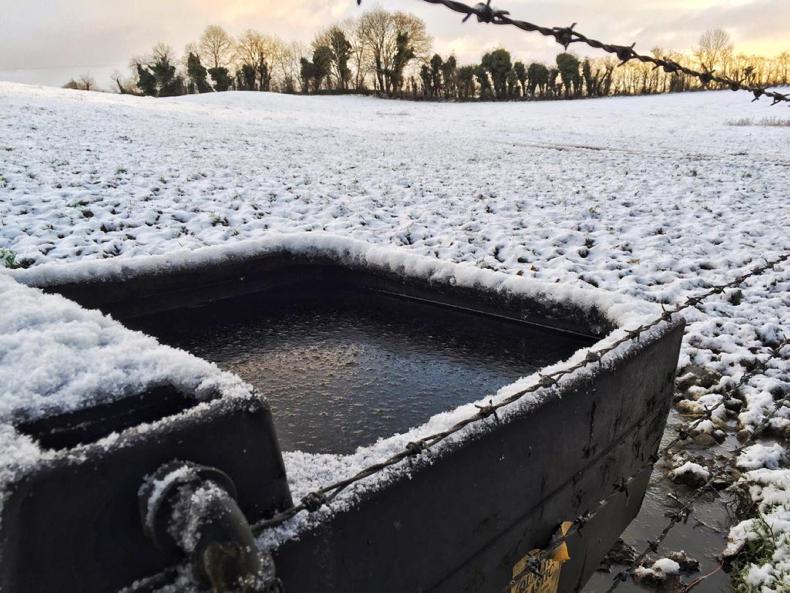
Snowy farming scenes from Oldcastle, Co Meath.
ADVERTISEMENT
In the event that pipes have frozen then the advice is to set up a large trough in a yard or near the sheds. Disconnect the pipe from the ball cock and attach a lever valve to the end of the pipe and keep the water flowing at about a quarter of full rate to prevent it from freezing. A trickle of water can be enough to prevent a tap from freezing. This could be costly if paying for water. Only those with on farm wells can consider leaving water running; otherwise reserves can run down quickly.
Another option is to pipe water to this trough from a tap that you know won’t freeze, for example a tap that has a heat lamp over it. Make sure to fully drain the pipe after use or it won’t be much use the next time.
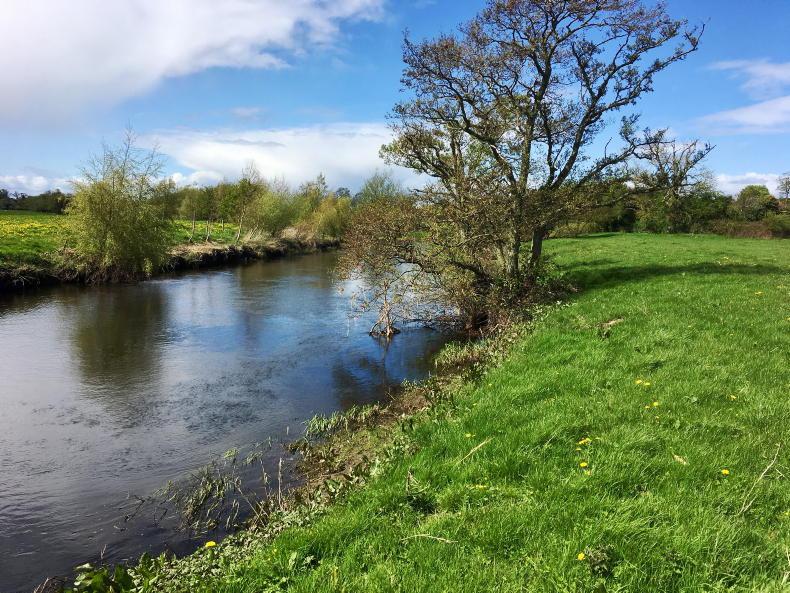
Keeping a store of water on the farm is also a good idea while a river or stream may have to be turned to if pipes have frozen around the yard.
This content is available to digital subscribers and loyalty code users only. Sign in to your account, use the code or subscribe to get unlimited access.
The reader loyalty code gives you full access to the site from when you enter it until the following Wednesday at 9pm. Find your unique code on the back page of Irish Country Living every week.
CODE ACCEPTED
You have full access to the site until next Wednesday at 9pm.
CODE NOT VALID
Please try again or contact support.
Ensuring water is available to livestock is one of the top priorities over the next few days. At this point, it is more about dealing with frozen pipes than trying to avoid them for many farmers. The majority of pipes should be underground, but some small sections of pipes going to drinkers in sheds may be exposed. When trying to thaw frozen pipes begin near the outlet of the pipe and work back down to the blockage.
Freshly calved cows needs 50 to 60 litres of water a day. That said farmers must be careful where livestock gain access to water after being restricted for a period. Over-drinking or water toxicity can cause health problems and even fatalities in extreme cases. Allow gradual access to water initially where animals are extremely thirsty.
Snowy farming scenes from Oldcastle, Co Meath.
In the event that pipes have frozen then the advice is to set up a large trough in a yard or near the sheds. Disconnect the pipe from the ball cock and attach a lever valve to the end of the pipe and keep the water flowing at about a quarter of full rate to prevent it from freezing. A trickle of water can be enough to prevent a tap from freezing. This could be costly if paying for water. Only those with on farm wells can consider leaving water running; otherwise reserves can run down quickly.
Another option is to pipe water to this trough from a tap that you know won’t freeze, for example a tap that has a heat lamp over it. Make sure to fully drain the pipe after use or it won’t be much use the next time.
Keeping a store of water on the farm is also a good idea while a river or stream may have to be turned to if pipes have frozen around the yard.
If you would like to speak to a member of our team, please call us on 01-4199525.
Link sent to your email address
We have sent an email to your address. Please click on the link in this email to reset your password. If you can't find it in your inbox, please check your spam folder. If you can't find the email, please call us on 01-4199525.
ENTER YOUR LOYALTY CODE:
The reader loyalty code gives you full access to the site from when you enter it until the following Wednesday at 9pm. Find your unique code on the back page of Irish Country Living every week.
SHARING OPTIONS