




With bitter cold, snow and frost forecast for the week ahead, cows with young calves at foot are among the highest-risk animals on the farm.
The forecast is for temperatures to drop to sub-zero levels with the potential to hit -2° and as low as -4° in some areas.
Animals can generally cope with cold weather but the challenge intensifies where cold weather combines with rain, hail and snow showers, which could hit some areas as the week progresses.
Good shelter and sufficient feed are the main ways that farmers can help cattle overcome the weather challenge.
Maintenance requirements increase during cold weather, with animals using more of their energy intake to keep warm. This is the case for both older and young animals and is the reason why providing animals with sufficient intake is so important. If lactating cows have a nutritional deficit then milk yield will suffer, which in turn will leave their calves more vulnerable.
Under normal circumstances, good-quality spring grass will meet the nutritional demands of a suckler cow and her calf. However, supplementary feeding will help to boost energy reserves and safeguard against a nutritional deficit.
Feeding
Offering cows with young calves access to silage or hay will help to underpin dry matter intake, while the easiest way to boost energy intake is by offering concentrates.
The volume will depend on each particular situation, with cow condition and grass supplies having a big impact.
Offering 1kg to 2kg will suffice for most situations, with first calvers under greater nutritional stress and likely to benefit from 2kg to 3kg concentrates where grass supplies are low or forage quality is poor.
The first cows and calves released outdoors in Tullamore Farm have access to some silage in the paddock along with 2kg of concentrates topped with 60mg of sweetened Cal-Mag daily.
The latter is another important factor to highlight, with grass tetany a greater risk during times when animals are under extra stress.
Shelter
Shelter is the other critical aspect to monitor. An east wind will bring a greater wind chill and may also see a field that normally provides good shelter to the prevailing wind demoted to a poor option.
Pay close attention to the weather forecast and if the direction of the prevailing wind is likely to change, then there may be no option but to move animals to a different field that will provide better shelter.
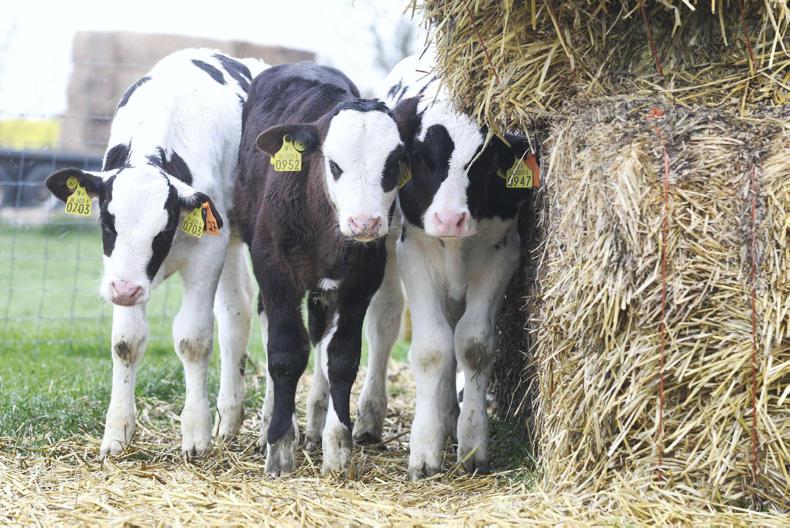
Placing a few bales in a field can provide shelter at ground level for young calves.
It is also worth making alternative arrangements if possible where calving pens are getting tighter and animals are not in a position to be turned out.
Storage or machinery sheds can provide an overflow valve, while some farmers with poor facilities for retaining cows and calves indoors may buy a few days by bedding slats. This option may be limited by straw supplies, which is another concern at farm level.
These general tips may also help:
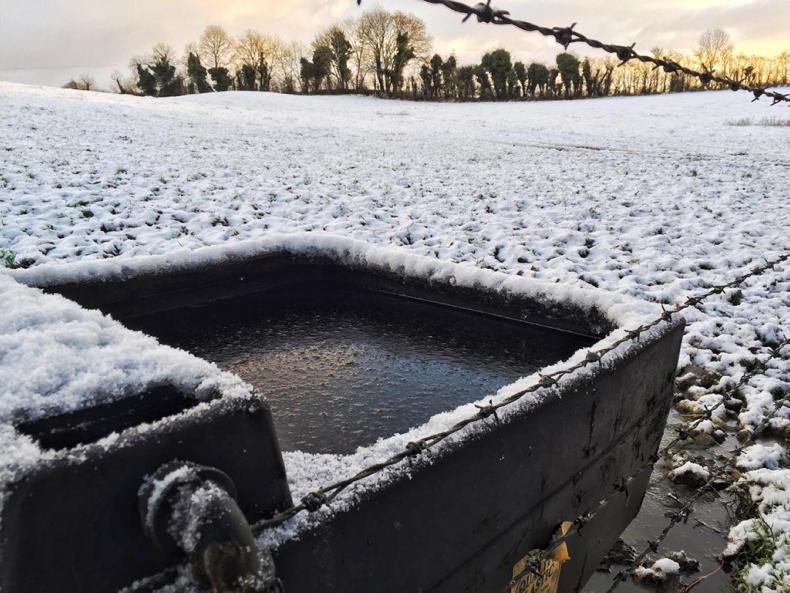
Health and safety
While the natural inclination is to make sure stock are looked after, the cold weather also presents higher risks on the farm.
Take care when walking on slippery surfaces and keep warm.
It is also advisable to check on elderly neighbours who may be living on their own.
Managing ewes and lambs during cold weather: shelter and feed vital
Brace yourself: severe frost, snow and bitter easterly winds on way



SHARING OPTIONS