



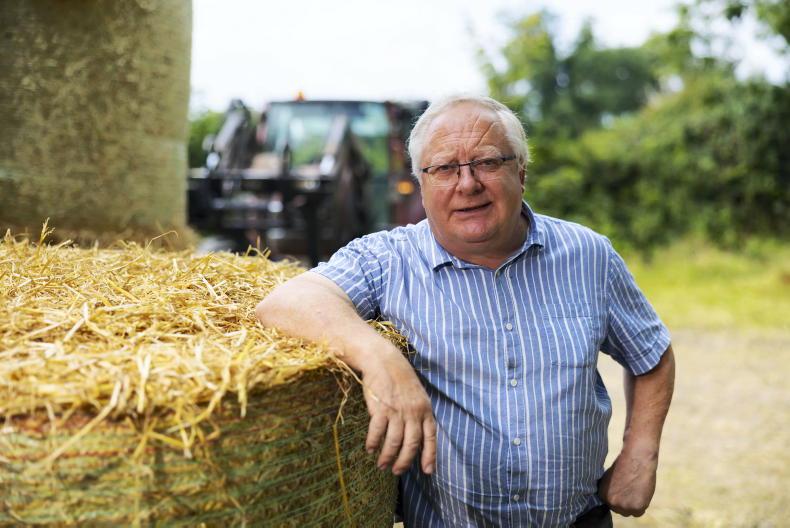
Farm families are suffering the effects of a Government policy that states farm assets will only be given an exemption from nursing home fees where families have future-proofed their succession plans.
The Nursing Home Support Scheme, or Fair Deal as it’s more commonly known, offers financial support to people who require long-term residential care.
People pay a weekly contribution, calculated on their earnings and assets, with the HSE paying the remainder of the weekly cost of care directly to the nursing home.
Under the scheme, people’s homes are exempt from a 7.5% charge on the asset under a three-year cap, meaning that after three years’ care, the value of a person’s principal private residence is no longer included in their financial assessment.
This was extended to include family farms in 2021, in certain circumstances.
However, figures obtained by Irish Country Living show that there is a huge gulf between those non-farming residents of nursing homes and those from the farming community in receipt of the benefit. As of June, this year, 24,015 people currently in nursing home care are supported by Fair Deal. Only 122 of these have been granted the three-year cap.
Of that total, 49 have been receiving nursing home care for three years, which means the family farm has been removed from their financial assessment.
The remaining 79 residents have been granted the dispensation, but because they have not been in receipt of nursing home care for three years, the 7.5% charge still applies.
“The three-year cap is a limit on how much you pay towards nursing home care. It’s based on the value of certain assets such as your home, proceeds from the sale of your home, or a farm or business,” explains a HSE spokesperson.
“For example, the three-year cap means we don’t count your home (or land) as an asset after you have been in care for three years. This means it won’t be a part of the financial assessment, and the amount you will pay towards your care will become less.
“Not all applications are progressed to the decision stage, with some being withdrawn or the resident passing away before being in care for three years. To date, 10 applications have been formally refused.”
In order to qualify for the cap, applicants must have signed their farms to an approved successor who will commit to running the farm for at least six years. The farm must have been actively run for three out of the previous five years by the person seeking nursing home care.
‘Land grab’
However, farmers around the country are irate at the criteria for qualification for the three-year cap with some accusing the HSE of a “land grab”.
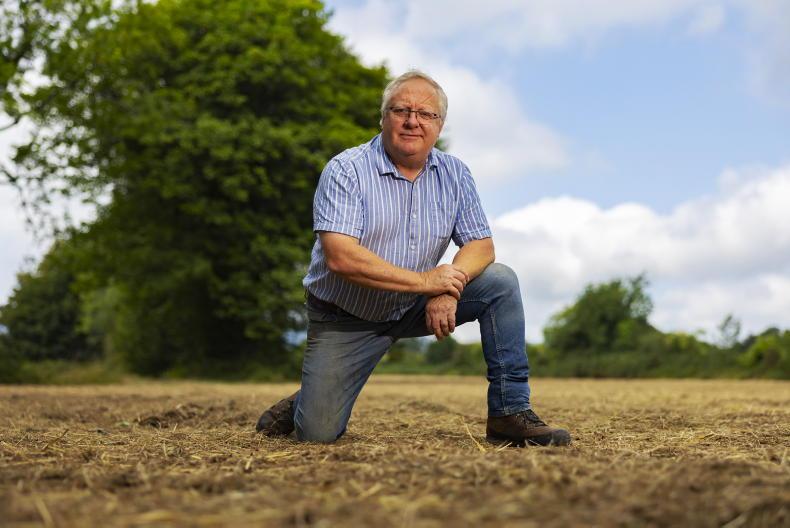
David Morris from Rathnure in Co Wexford has called Fair Deal “an utter scandal” and is fighting charges imposed on his elderly uncle.
“My uncle is 94 years old and has been in a nursing home since February 2022, paying for his care out of his savings, with Fair Deal topping up the balance,” he says.
“When the three years passed, we received a letter ordering us to get the house and the land reassessed. It’s madness. It’s a land grab and I will fight it to the death.
“The 2021 legislation was meant to protect small family farms but what is happening is quite the opposite. We thought that after three years, the cap was in place and the HSE would have no claim on the land.
“But because the farm was never transferred over to me, that is not the case. How would an elderly bachelor farmer who has worked all his life, dealt in cash and has never had or used technology of any shape or form, be expected to know any of this?
“We did discuss succession in 2011 but my uncle wanted to keep going. He had only inherited the farm when his eldest brother died so he had waited a long time for it to be his. He told me not to be hungry.
“Had we known what Fair Deal involved we wouldn’t have gone anywhere near it. It’s an absolute utter scandal.
“Many elderly farmers seek admission to a nursing home because they cannot continue to live on their own. Many are in poor physical and mental health when they have no other choice but to make this application.
“They then are told that they should have made the application five years previously to be able to avail of the cap on their assets, which is a totally unrealistic and unfair stipulation.”
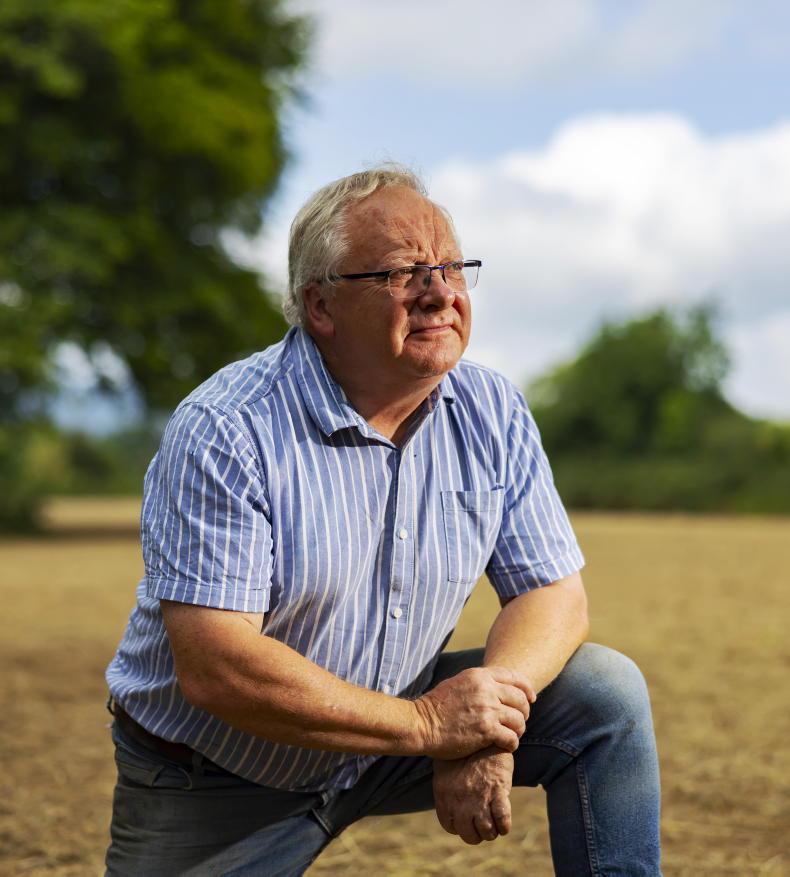
William* is a beef farmer, farming 14 acres on his farm in Ulster and began his Fair Deal journey when he applied for it on behalf of his late mother.
“We took out a Nursing Home loan (an option through Fair Deal) in March 2022. My mother passed away in December last year so was 1,008 days under the scheme in the home. Within weeks of her death, we received a statement from Revenue telling us we owed €67,767 which was to be paid before the first anniversary of her death,” he explains.
“Our situation was complicated as my father died without transferring the farm, so my mother inherited it. But she ended up needing nursing home care within weeks of his sudden death. The legal side of sorting his affairs out took a lot longer to resolve. I have until December to pay that bill to the Revenue but I am hoping that funds will be released from my mother’s estate as I will not sell land to raise the money.”
William said he believed the issue is something people within the farming community are not talking about, but is causing a lot of debt and stress.
‘Deeply flawed’
“I am convinced there is a certain amount of shame in the farming community about these astronomical bills for nursing home care. Farms are being sold to pay off these loans,” he says.
“If I could go back, I would have insisted on having the awkward conversation with my father to encourage him to get independent advice on how best to sort his affairs. This is the elephant in the room for so many farming families who are getting caught out. They don’t know how expensive nursing home care is.”
Another farming family has raised the same concerns regarding an elderly uncle whose life savings are being depleted through Fair Deal.
“My uncle (90) was admitted to hospital with an infection in his leg which resulted in delirium and him needing to go to a nursing home,” says the man’s nephew, Stephen* who lives in the border region.
“He has farmed all his life and wouldn’t entertain the thoughts of transferring the land over while he was working it. Which he was doing right up until he became ill.
“They are taking land that is not actively farmed into account in his assessment. This has left him with a weekly bill of €1,200 for his nursing home care. When I asked the Fair Deal people what happens when his savings are gone, they told me to send in updated statements from the bank to show depletion of funds. They wouldn’t answer whether or not my uncle would have to sell his land to meet his nursing home fees.
“We’re looking at a land grab here, pure and simple. Contributing to nursing home care is not in question, we were never looking for a free ride, but hitting farmers with a 7.5% levy against their assets, in many cases land that is just sitting there, that’s the big problem farmers have with this scheme.”
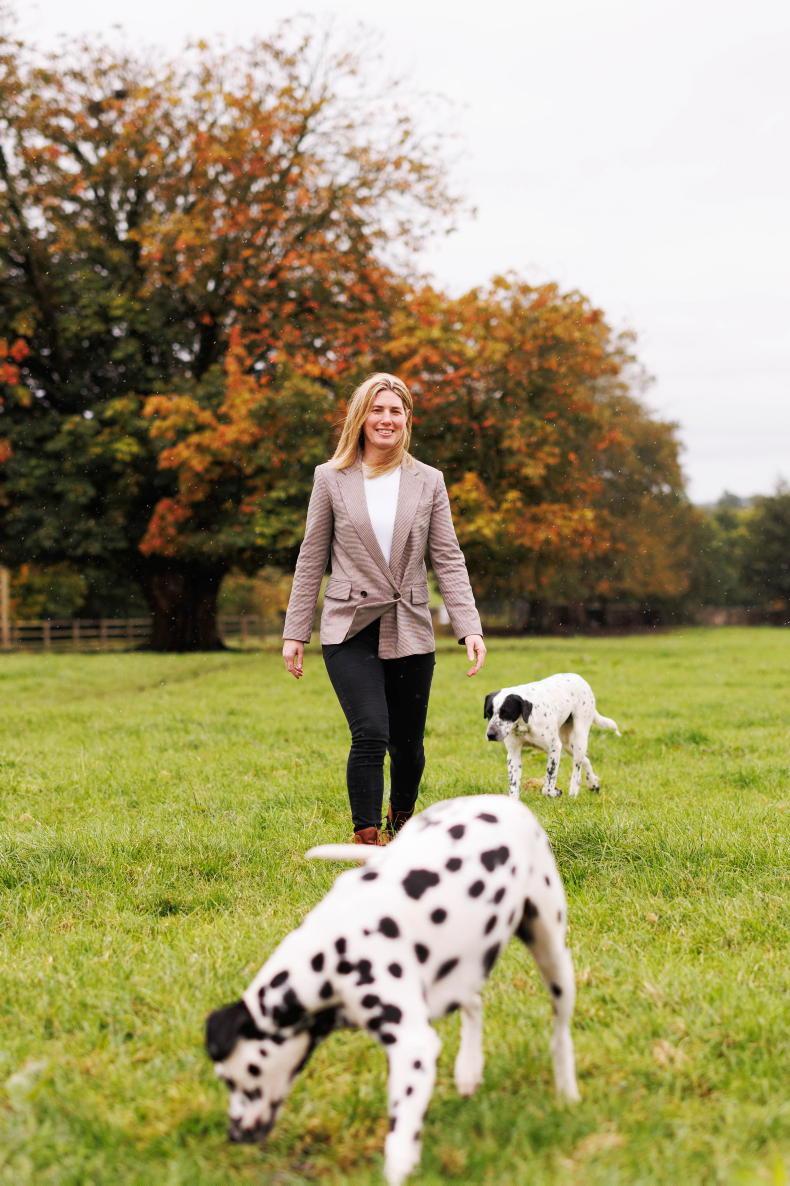
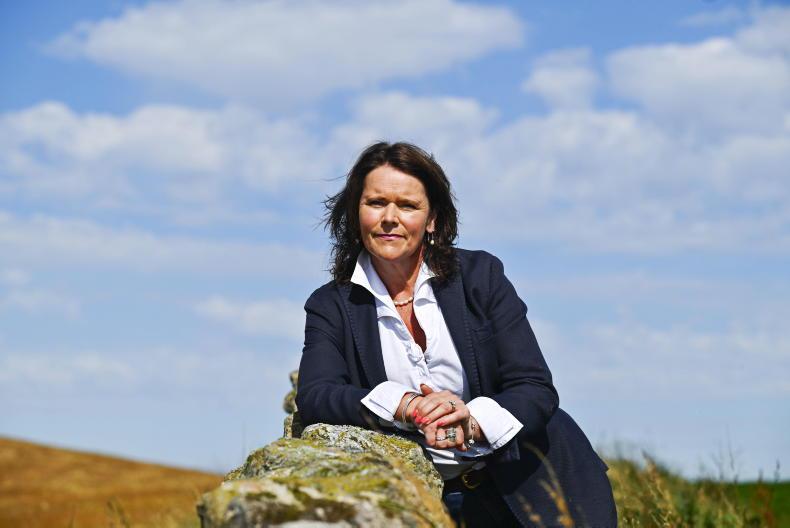
Teresa Roche, Chair of IFA Farm Family and Social Affairs Committee is calling for a review of the Fair Deal scheme.
“The Fair Deal scheme is deeply flawed and is unfairly penalising family farms, risking the loss of land passed down for generations,” she says.
“If land has to be sold to pay for care, it threatens the future viability of the farm.
“The HSE has a responsibility as well as the departments of health and agriculture to make sure farming communities are aware of the criteria for availing of the cap, which we want reduced to two years. We are also calling on the government to reduce the requirement for a successor to be in place from five to three years, and for small family farms to be exempt from both requirements.”
*Names have been changed to protect the identity of both families concerned.



SHARING OPTIONS