


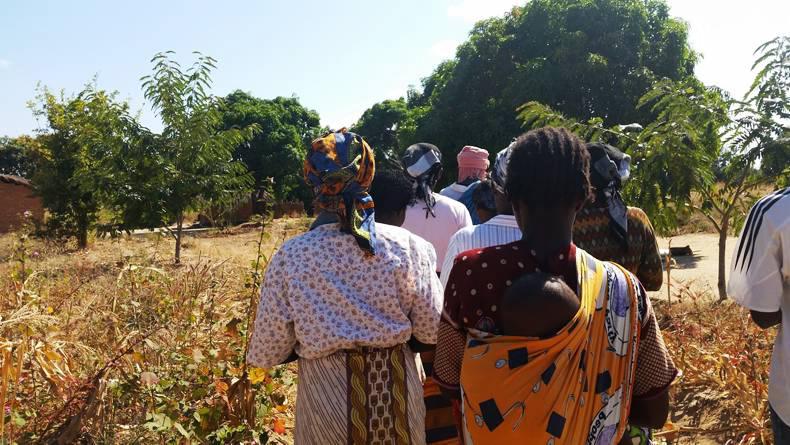
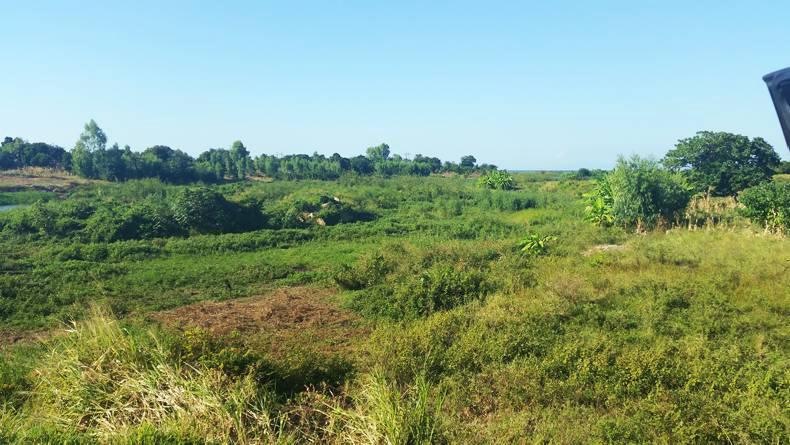
Cars or jeeps are not a common sight in the Malawian countryside. Instead, the dusty roadsides are dotted with brightly clad women, laden down with firewood or bags of maize.
It’s a sight to behold for foreigners, who wonder how these women can balance these heavy loads, and usually with a baby in tow. For the Malawians, it’s everyday life.
Like in many African countries, women in Malawi are the backbone of the rural economy and carry out most of the physical labour on the farm. On top of this, they are also responsible for looking after the home and family.
Despite the critical role women play in society, men tend to control the purse strings and are responsible for bringing food to market.
In Malawi, men are still allowed to marry more than one wife and despite moves to ban the custom, 20% of unions are polygamous. Women in these marriages are more vulnerable to HIV/AIDS, domestic violence and poverty.
Edward Kwacha, the programmes manager for Nkhotakota Community Radio (which is funded by NGO Farm Radio International and Irish Aid), believes bridging the gender gap will improve agricultural fortunes in Malawi.
“Families here will have better livelihoods if men are actively involved,” he explains. “A total of 60-70% of the work on farms is carried out by women and we must ensure their situation improves.
“Most women don’t have ownership of the land they work, and are therefore unable to access loans and will often need their husband’s approval before going to the bank.”
As part of the station’s bi-weekly farming show, these gender issues are addressed.
“As a community radio station, we have an obligation to educate our listeners. We ask why men can’t do more to help,” says Edward. “Through our listener club structure, women are able to contribute to conversations on farming.”
Bridging the gap
Improving the lives of women in Malawi is also a priority for Concern, which has been in the country since 2002.
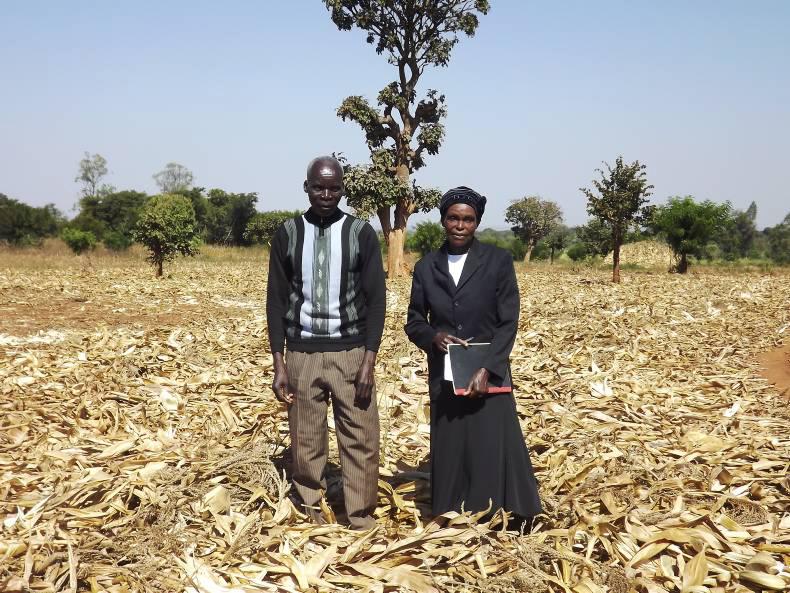
Doris Malinga is one of the farmers that the charity works with. She meets us with a book tucked under her arm, where she meticulously records the yields of her crops and other tasks carried out during the year. With a national illiteracy rate of 65.8%, it’s not common for farmers to keep such detailed accounts.
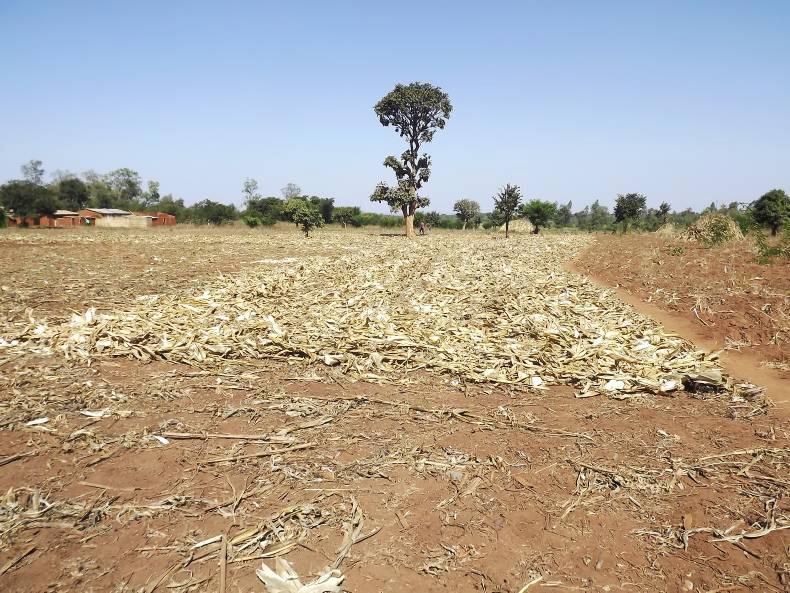
Doris is known as one of the lead farmers in her community and has been practicing conservation agriculture (no-till farming) for five years to combat the effects of climate change.
Concern promotes this method to female farmers as it is less labour and time-intensive and can result in higher yields, improving food security in households. This has the knock-on effect of raising the social status of successful farmers.
Due to effective implantation of conservation agriculture on Doris’ farm, she teaches others in her locality about the benefits – and they hang on her every word.
“I decided to try it because of the drought and I’m encouraging others to do so,” she tells Irish Country Living as well as an audience of 20 neighbours.
“Drought doesn’t affect us as severely and I can pay for my children to go to school.”
Loans
Access to loans is one of the biggest difficulties women have to contend with, especially since many need the permission of their husbands to apply for them.
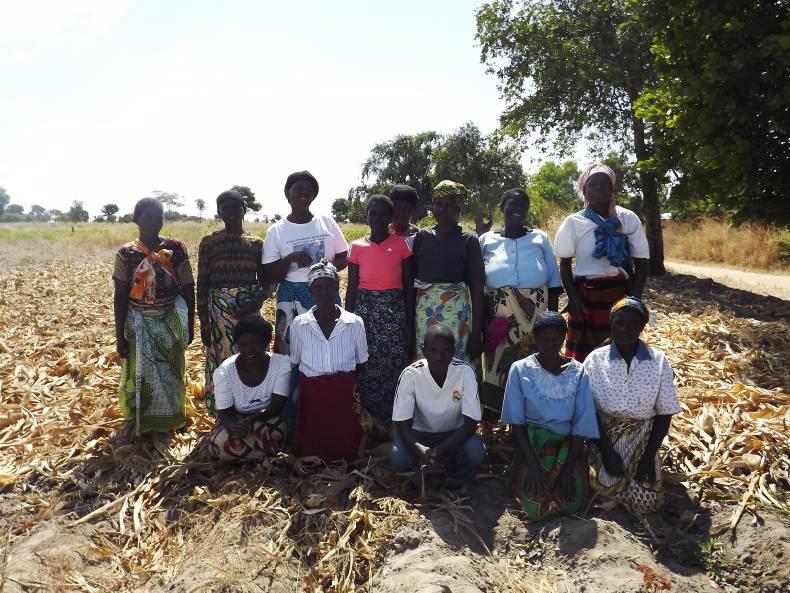
In the village of Tikondane, 26 women have formed a savings and loans club based on a similar model to our credit unions.
The group started in 2012 with support from Concern, and has been able to take out loans to purchase animals and farm inputs, and pay for school fees. For many of these women, it’s the first time they’ve been able to use credit.
During our visit, one woman explains how she used her loan to buy land and build a house. Another member used her money to set up a business selling fish. Each week, the group holds a meeting to discuss saving and budgeting.
According to Concern, 10,000 women in Malawi are members of village savings and loans groups, helping them to save or develop businesses. More importantly, it provides independence and a means for children to be educated.
“I firmly believe that it all starts with education,” says Stewart Gee, a Birr native who worked with Concern in Malawi. “Once girls are educated, then you’ll see things improve here.”
According to the World Bank, just 27% of girls enrol in secondary school, while 13% will attend and even fewer will graduate. A woman’s value is still tied up in marriage and child marriage is still common.
However, simple initiatives pioneered by NGOs and community leaders can make a difference.
Changing attitudes in Malawi will be a long process and there are challenges ahead, but empowering women will be key to the country’s success.
Doris Malinga, the star farmer, is a shining example.
“I’m not afraid of anything now,” she smiles, surrounded by her community.
Aisling Hussey travelled to Malawi with the support of the Simon Cumbers Media Fund.




SHARING OPTIONS