



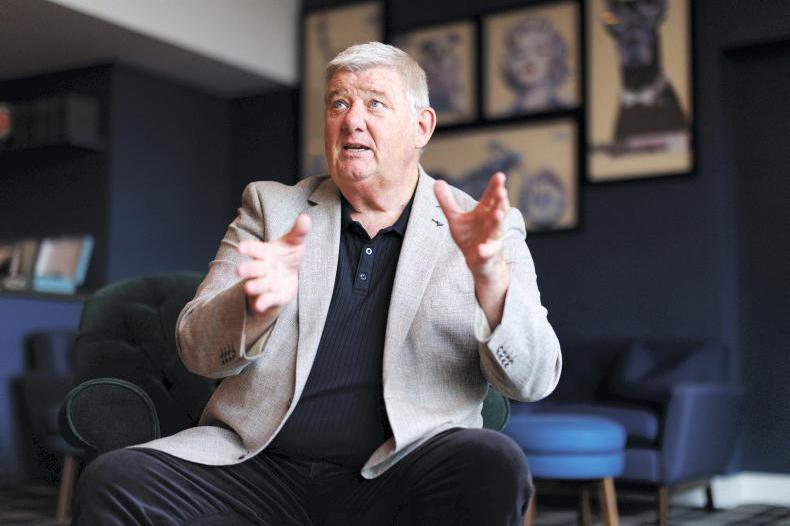
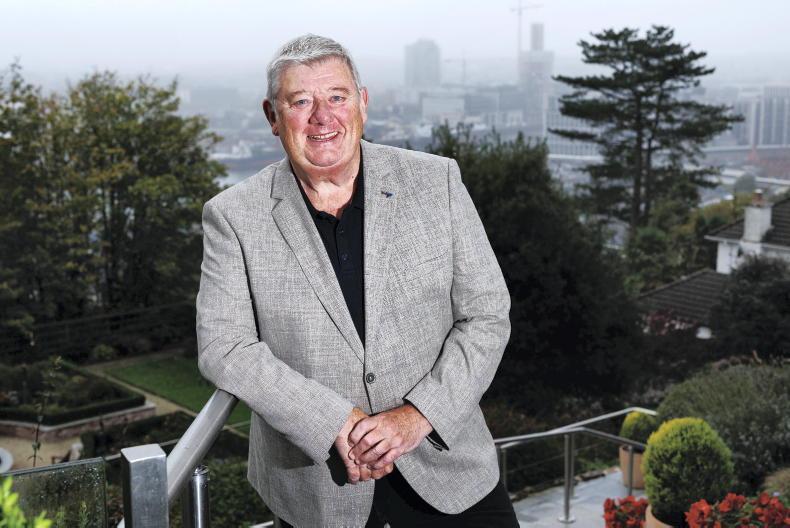
Standing on the upper terrace of the Montenotte Hotel, John Creedon is breathing in the view of Cork city – his city.
It doesn’t matter that the author, television presenter and longtime host of The John Creedon Show on RTÉ radio has called Cork home for the entirety of his life (minus the few years he lost while living and working in Dublin). Even if he were seeing the city for the first time, he would be wearing the same awed expression.
“Sometimes, Cork people ‘miss’ Cork – even when they live here,” he says with a twinkle in his eye.
Museum of country life
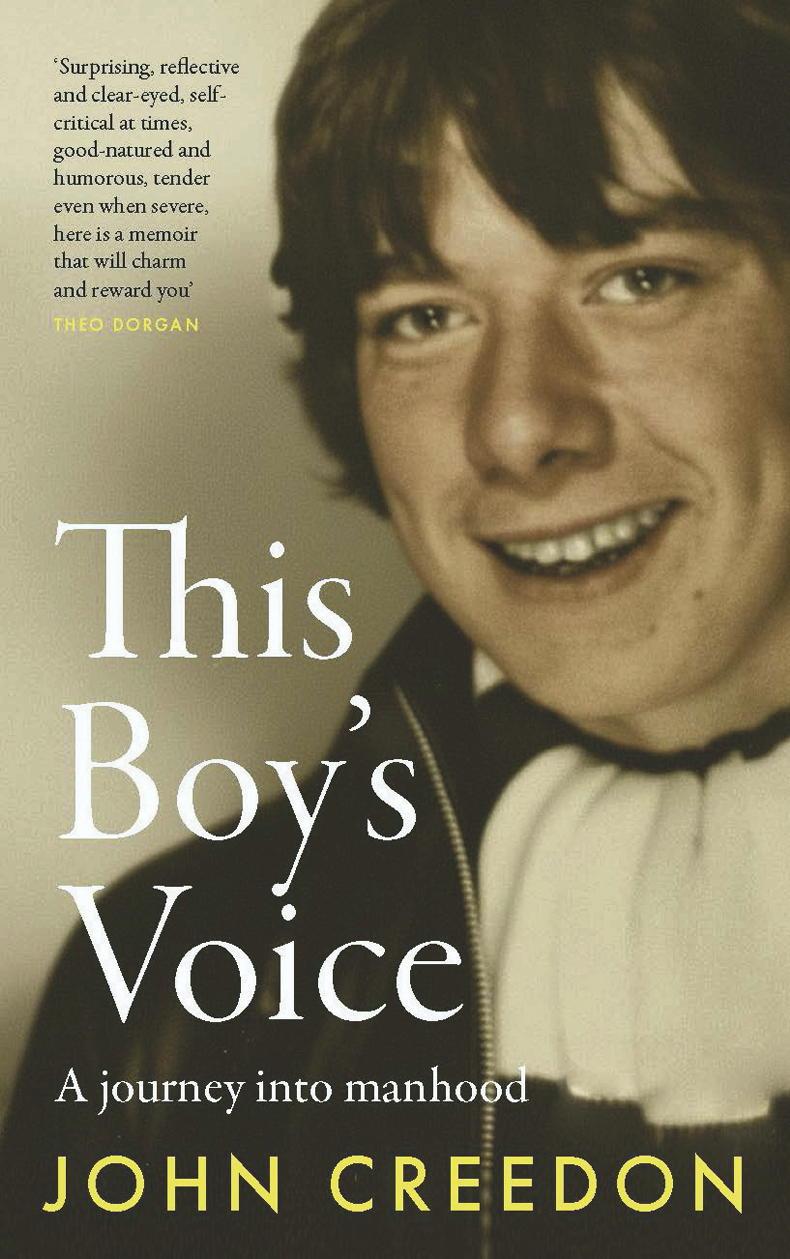
We are meeting to talk about John’s new book and his upcoming appearance at Irish Country Living’s Women & Agriculture conference, which will take place on 29 October at the Radisson Blu Hotel in nearby Little Island. Entitled This Boy’s Voice, John’s latest read is a follow-on from his 2024 memoir, This Boy’s Heart. It picks up where the previous book left off, as he leaves home aged 11 to attend boarding school in Co Kerry – a place which, at the time, felt very far from home.
“[The second book] takes readers from my time in boarding school to landing in RTÉ,” he explains. “I went off with my first pair of pyjamas and my first alarm clock and, then, within eight years I was taking that same little kid’s suitcase and leaving the bank on Bridge Street with £10,000 to go to an auctioneer to buy a house. That’s how fast things turned around for me. They say writing a memoir is cathartic, and it is, but it’s also a challenge. You’re aware of everyone else’s feelings, but also that it’s not their story.
“In a funny way, these books were never intended to be a nostalgic ‘museum of country life’, but there are experiences I had that people will relate to very fondly,” he adds. “I am looking forward to the Women & Agriculture Conference, because it will be a chance to let out the air around it; I will read a couple of pieces from it.”
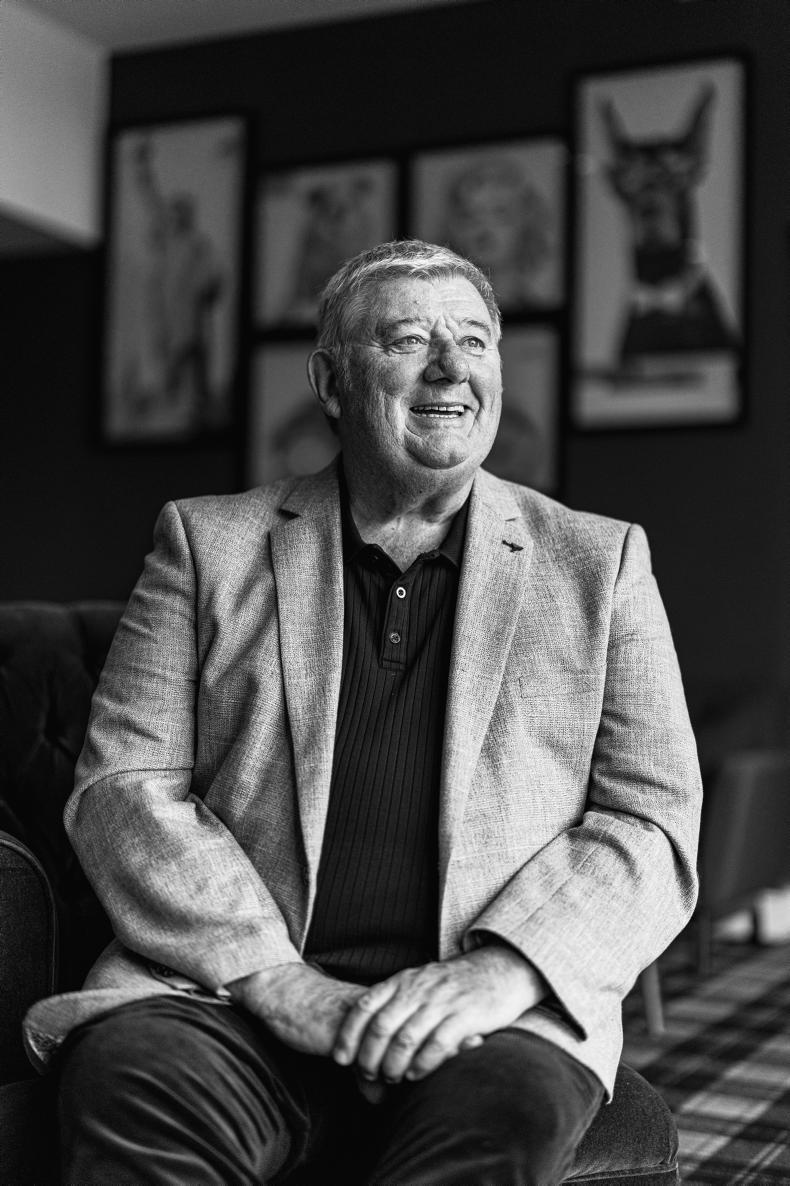
In contrast, This Boy’s Heart followed John’s earlier years and delved into his colourfully vibrant Cork neighbourhood as well as his own household, which found himself, his parents and his 11 siblings all under the same roof.
Aside from operating a local shop, John’s mother also took in boarders, some of whom were very interesting characters. In many ways, This Boy’s Heartreads as an ode to his father: a larger-than-life figure who loved his family deeply, enjoyed a practical joke and was a proud Gaeilgeoir.
“My dad was a hoot,” John says with a smile. “I remember he went in for hip surgery in the late 80s or 90s, and do you know what he did? Before he went in, he asked the doctor could he bring the bone home for the dog. He was the boldest, funniest and most brilliant man for the long game. If he was going to wind you up for a joke, man could he deliver.
“I’m leaning more toward my mam in the second book, because, I suppose, she was the first woman I ever fell in love with.”
For someone so unapologetically “Corkonian”, John has championed the entirety of Ireland through his career, whether with his travels series Creedon’s Wild Atlantic Way or Creedon’s Shannon,Fáilte Towers – where he and other celebrities had to run a hotel while earning money for charity.
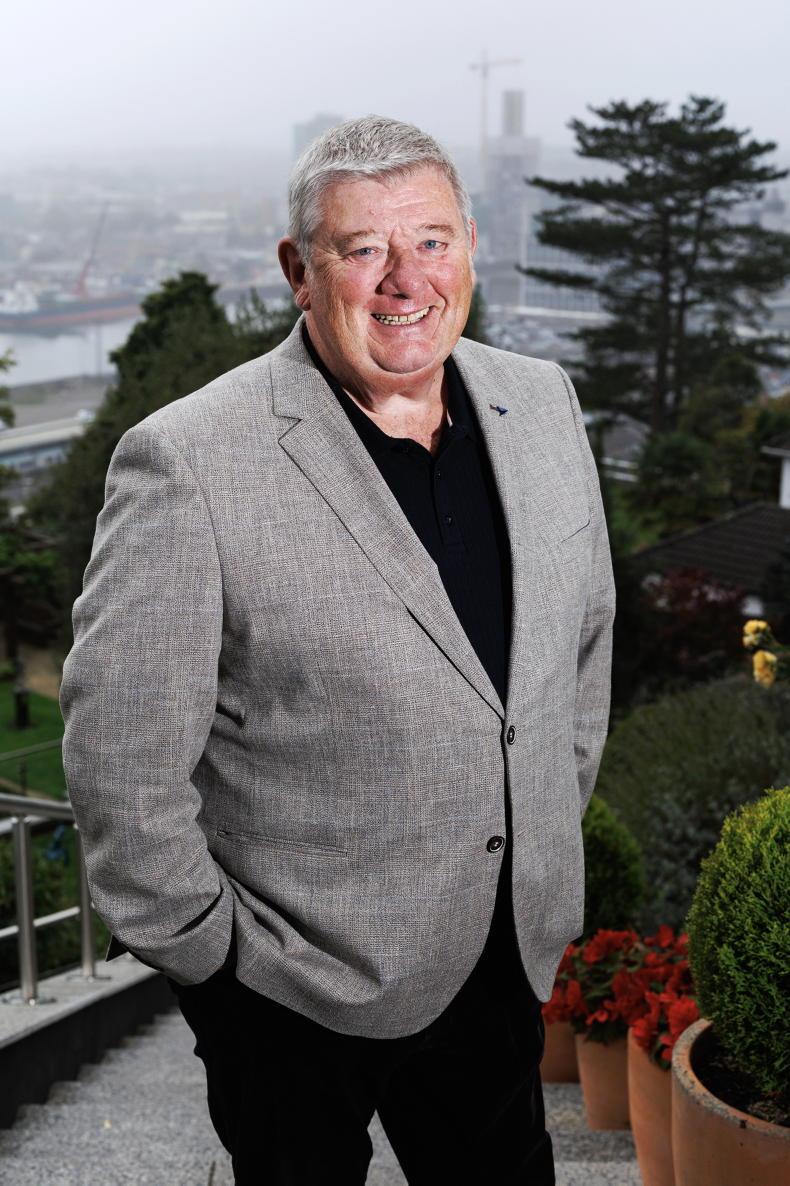
Talk is cheap
Speaking with John, one quickly learns he doesn’t like to compartmentalise; he is happy being many things – an actor, an author, a radio presenter; the little boy in This Boy’s Heart and that teenager in This Boy’s Voice. He is a proud dad and grandad, and he loves his work – but he doesn’t need a label.
“I genuinely don’t care which shelf I land on,” he says. “I don’t care if, after I’m gone, people say, ‘Truly, he was another Shakespeare,’ or if they say, ‘My father used to get great craic out of some of the stories he told.’ To me, one is as valuable as the next.
“I have no formal training as a writer. While I love the hammering of the sentences, talk is cheap, and that’s what I’ve done all my life – whether on radio or telling stories from the time I was a kid; impersonating the Christian brother or the guy down the street. I know where that comes from, that was my father’s people. We’ve got that bad!”
He will be the first to admit that his Irish is “just okay”, but in the same breath will say that, sometimes, the best way he can express how he is feeling is through the Irish language.
“I would have Irish, but I’m not a brilliant Irish speaker,” he says. “But, every time I approach it, I realise how maternal and loving that language is. It’s pastoral, and the sentiments within are gentle and good.”
John has a great capacity to understand and empathise. The characters he has played over the years may have poked fun, but were never created to belittle or diminish. His writing shows a deep understanding of himself and the world – he doesn’t seem to hold resentment or “trauma” the same way many of us might.
“This sounds like I’m holy God, but I have a huge capacity for forgiveness,” he says, “and it’s not because I’m nice, it’s because nothing else makes sense for me.
“Once there was this guy who came in and caused havoc in our shop, and he was swearing at my mother, calling her every name under the sun, but she wouldn’t let him be taken away until she had dressed the wound on his head. Afterwards, I said, ‘I don’t know how you could have listened to that,’ and I could tell she was affected by it, but she waved me away and said, ‘Erra, he was some poor woman’s baby once.’ The fundamental truth of it.”
I’d love to think men would read this book. First, because I’m a man and, second, because I’m a soft man. I know what it’s like to be lonely, but not able to say it. I’m in tune with my feelings – I grew up with eight sisters, and we’re huggers
With This Boy’s Voice hitting the shelves on 22 October, John hopes his story is enjoyed and recognised by readers who have had similar experiences. He recounts falling in love with football as a young lad – and falling in love with a woman for the first time (sadly, it was never to be because the woman in question was Diana Ross and she lived in America). He recalls becoming politically aware, especially during the miners’ strikes in the United Kingdom in the 1970s, and realising that it wasn’t the English, or protestants, who should be resented – it was those in power pulling the political strings.
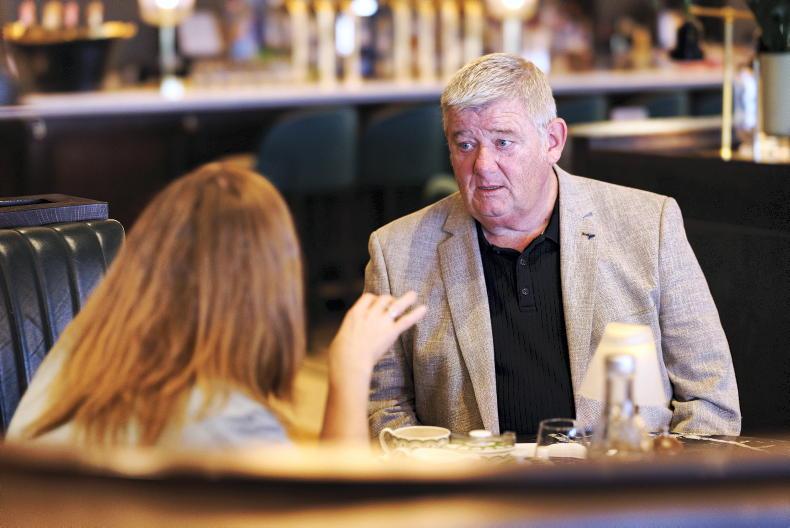
“I’d love to think men would read this book,” he says. “First, because I’m a man and, second, because I’m a soft man. I know what it’s like to be lonely, but not able to say it. I’m in tune with my feelings – I grew up with eight sisters, and we’re huggers. So, when I hear generalisations about men who can’t or don’t talk, I think, ‘What men?’ My dad would talk about anything. Because some of the where and how I lived my life would have been ‘man’ stuff – boarding school, being a wannabe football hooligan, paying your way and raising your kids – there’s a lot in it that men will relate to.”
With his four daughters grown and being in a more reflective era of life, John overwhelmingly feels immense gratitude for all he has and the way his life and career has gone.
“During the busy years it was all about taking any work at all just to pay the bills and support the family. Now, increasingly, I’ve drifted toward the work that just really excites me,” he says. “I’m overwhelmed with gratitude – not smugness, just gratitude. It has to do with being 67 and never having a day in hospital. I have my four daughters and they’re mad about me. Every morning, I open my curtains and look down at my city and I think, ‘I live in my own country; it’s relatively at peace,’ Christ – that’s as good as it gets.”
You can find This Boy’s Heart, €27.59 and This Boy’s Voice, €19.99, at easons.com and in bookstores nationwide.
As well as reading extracts from his new book, John Creedon will be conversation with Adam Woods at the Women & Agriculture conference at the Radisson Blu Hotel, Little Island, Cork, on 29 October, supported by FBD Insurance. Scan the QR code below with your phone.





SHARING OPTIONS