



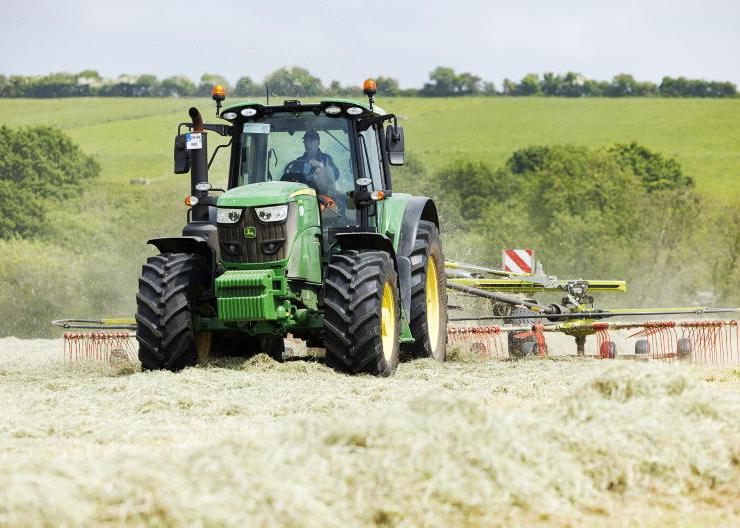
While we are all very grateful for the recent spell of fine weather, it can present real challenges for those operating tractors and farm machines without fully functioning air conditioning.
In a country like Ireland, where our climate is generally temperate, air conditioning is often low on the list of servicing priorities and may be forgotten altogether.
As a result, systems can go unchecked for years and may not perform efficiently when they are finally called upon.
A well-cooled cab keeps operators comfortable, alert and productive. Maintaining an internal cab temperature of around 17–20°C reduces fatigue and improves concentration during long working days.
Modern tractors have larger cabs and increased glass areas, improving visibility but also creating a greenhouse effect. On a 28°C day, the temperature inside an uncooled cab can easily exceed 35°C, increasing the risk of dehydration, fatigue and reduced concentration.
Working in these conditions places additional strain on the operator. Excessive sweating leads to the loss of fluids, increasing the risk of dehydration, fatigue and reduced concentration. Also heat radiating from the engine, transmission and hydraulics can add further to the discomfort.
HVAC system
Most modern tractors are fitted as standard with a HVAC (Heating, Ventilation and Air Conditioning) system. While the heating and ventilation functions are straightforward, the air conditioning system is often overlooked.
A common misconception is that because the air conditioning is still producing cool air, it must be working correctly.
Performance can deteriorate gradually over time without the operator noticing.
Most tractor air conditioning systems contain between 1,000 and 1,400 grams of refrigerant gas. Even though the system is sealed, a small amount of refrigerant is naturally lost over the years through hoses, seals and joints.
This occurs regardless of the tractor’s make, model or age.
For example, a tractor that originally contained 1,000 grams of R134a refrigerant may only have around 840 grams remaining after six years. At this stage the system will still produce cool air, but it will take longer to reduce the cab temperature and may only lower it by a few degrees.
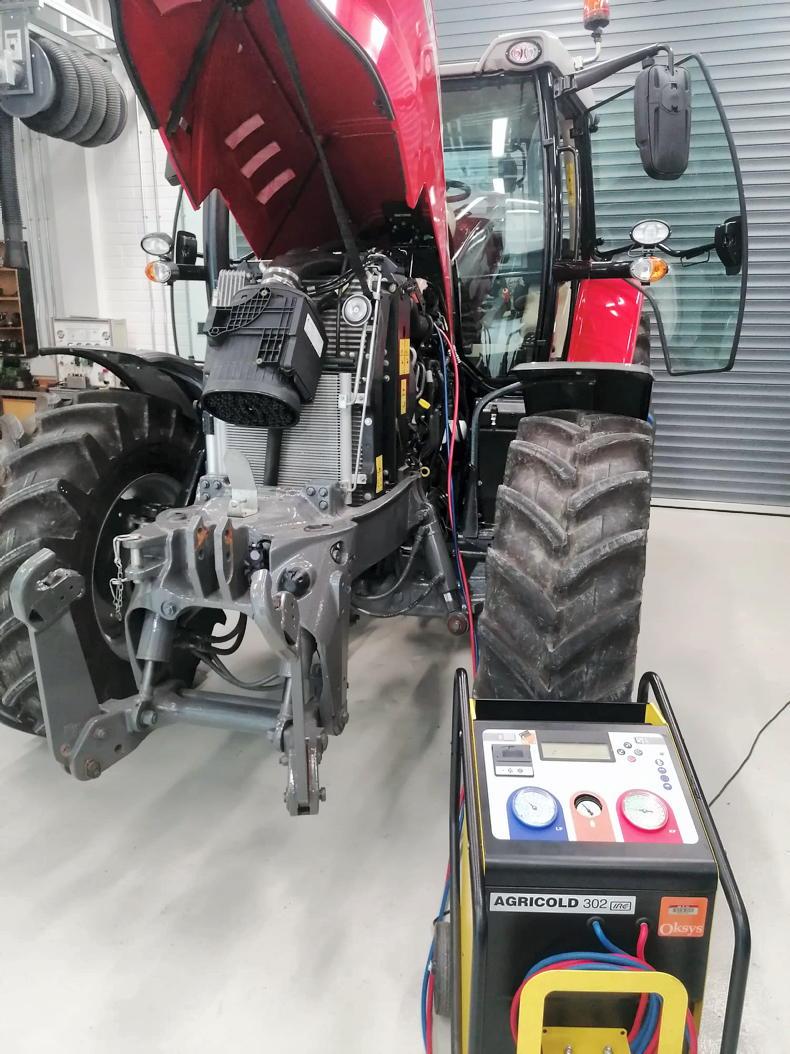
By the time that same tractor reaches ten years of age, the refrigerant quantity could be closer to 600-700 grams depending on factors such as usage rates, component size and other related factors. Having lost more than 25% of its refrigerant, the air conditioning performance is likely to be poor and, during very hot weather, may be ineffective.
Simply topping up the refrigerant is not a proper repair. It is similar to repeatedly adding engine oil to an engine that is consuming oil, it may improve performance temporarily, but it does not address the underlying issue.
A professional air conditioning service involves far more than refreshing the refrigerant. The remaining gas should first be safely recovered and measured to determine how much has been lost. The system is then checked for leaks, the compressor oil is replaced to ensure adequate lubrication, and the receiver-drier should be inspected or replaced where required.
The receiver-drier plays a vital role by absorbing moisture within the system, preventing corrosion and protecting internal components. Before recharging, a proper vacuum is applied to remove any air and any remaining moisture, ensuring the system operates at maximum efficiency. If a tractor is split in a shed over winter months this vacuum time should be over an hour to boil out any excess moisture.
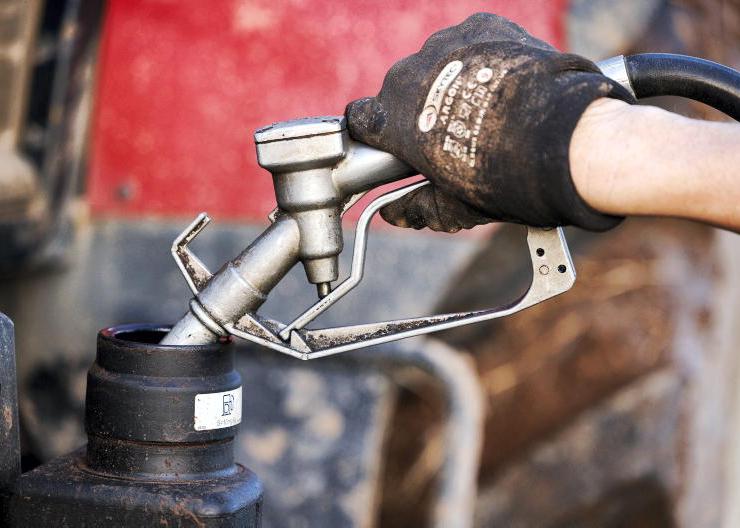
Specialist recovery and charging equipment connects to both the high- and low-pressure service ports to carry out this process accurately. Because these refrigerant gases boil at extremely low temperatures (approximately -26°C), they can cause severe frostbite if released onto the skin. For this reason, air conditioning servicing should only be carried out by trained, experienced personnel using the correct equipment.
In addition to the safety considerations, refrigerants are controlled under environmental legislation. By law, refrigerant must be recovered and handled by technicians who hold the appropriate Mobile Air Conditioning (MAC) certification here in Ireland.
Most tractor air conditioning systems use either a fixed orifice tube or a thermal expansion valve layout. While the components differ slightly between the two systems, the principles of operation remain the same, and a qualified air conditioning technician will understand the correct diagnostic and servicing procedures for each type.
System upgrades
There are three main refrigerant gases that farmers are likely to encounter on their tractors and agricultural machinery air conditioning systems which are R12, R134a and R1234yf.
Older tractors, built from the 1980s through to the mid-1990s, were sometimes factory-fitted with air conditioning systems using R12 refrigerant. Popular models such as the John Deere 50 Series, Ford 40 Series and Massey Ferguson 3000 Series are typical examples.
R12 gas is no longer available within the European Union because of its high global warming potential (GWP) and its environmental impact. As a result, owners of these older machines who wish to restore the air conditioning system must have it professionally converted to operate with R134a refrigerant.
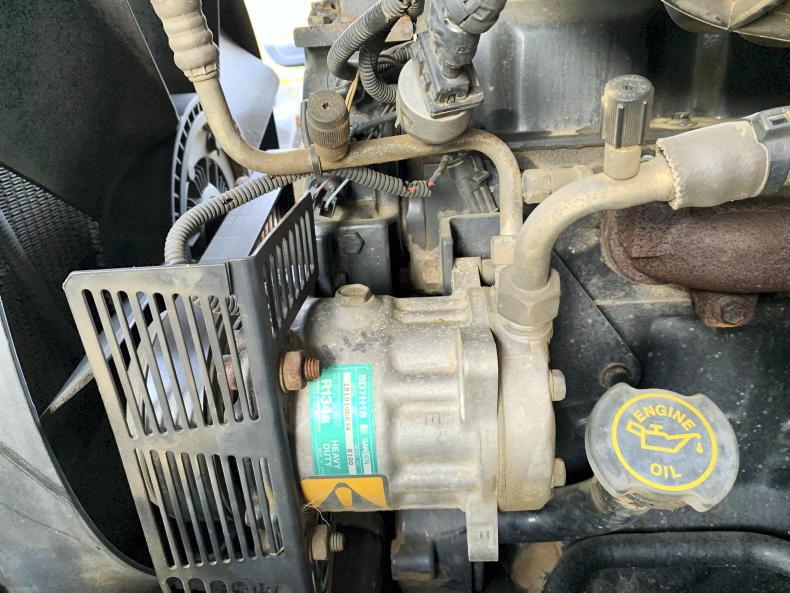
A conversion is more complex than simply changing the gas type. The system should first be recovered and pressure-tested and checked for leaks before components such as seals, O-rings and, in some cases, the service ports are replaced to ensure compatibility with the newer refrigerant service ports. Once the necessary modifications have been completed, the system can then be recharged to the correct specification.
Today, most tractors and self-propelled machines in service use R134a, which remains the most common refrigerant found in agricultural machinery. However, manufacturers are increasingly phasing in a new refrigerant gas known as R1234yf into their latest models. This refrigerant has a much lower GWP than R134a and has been adopted to meet increasingly stringent environmental legislation and will become the main AC gas in the years ahead.
Regardless of the refrigerant used, it is essential that servicing is carried out using the correct equipment and by technicians trained to work with that specific refrigerant, as the gases are not interchangeable and each system has its own servicing procedures.
Safety and service
Safety should always be the priority when working on any air conditioning systems. Appropriate personal protective equipment (PPE) is essential, as refrigerants boil at extremely low temperatures and can cause serious cold burns or frostbite if handled incorrectly. Do not open AC hoses/pipework as it can be dangerous.
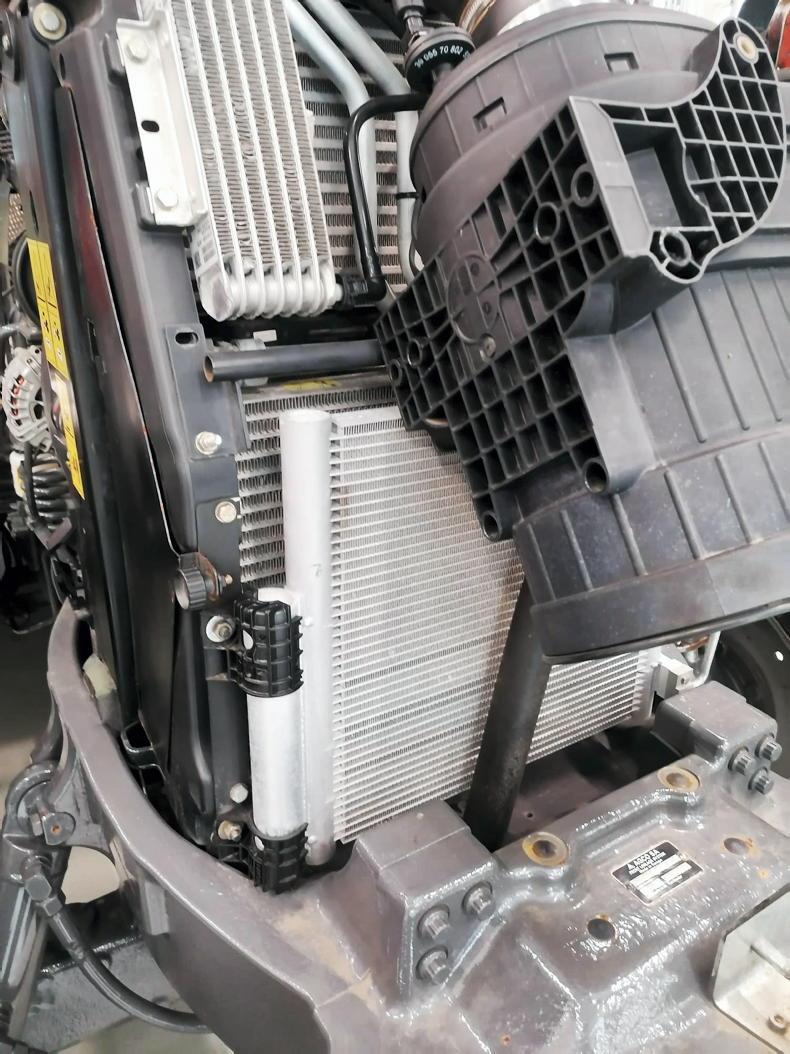
There are also a number of simple maintenance checks that farmers can carry out to help their air conditioning systems perform at their best.
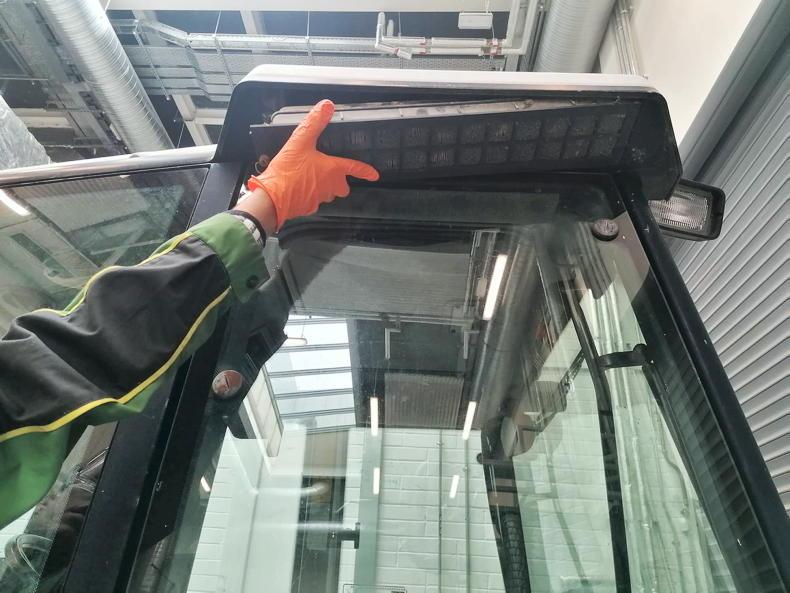
Cabin air filters are frequently overlooked during routine servicing. A blocked or dirty cabin filter restricts airflow through the ventilation system, reducing cooling performance and creating a stuffy, uncomfortable working environment. Replacing the cabin filter at the recommended service intervals improves both air quality and the efficiency of the heating and air conditioning system.
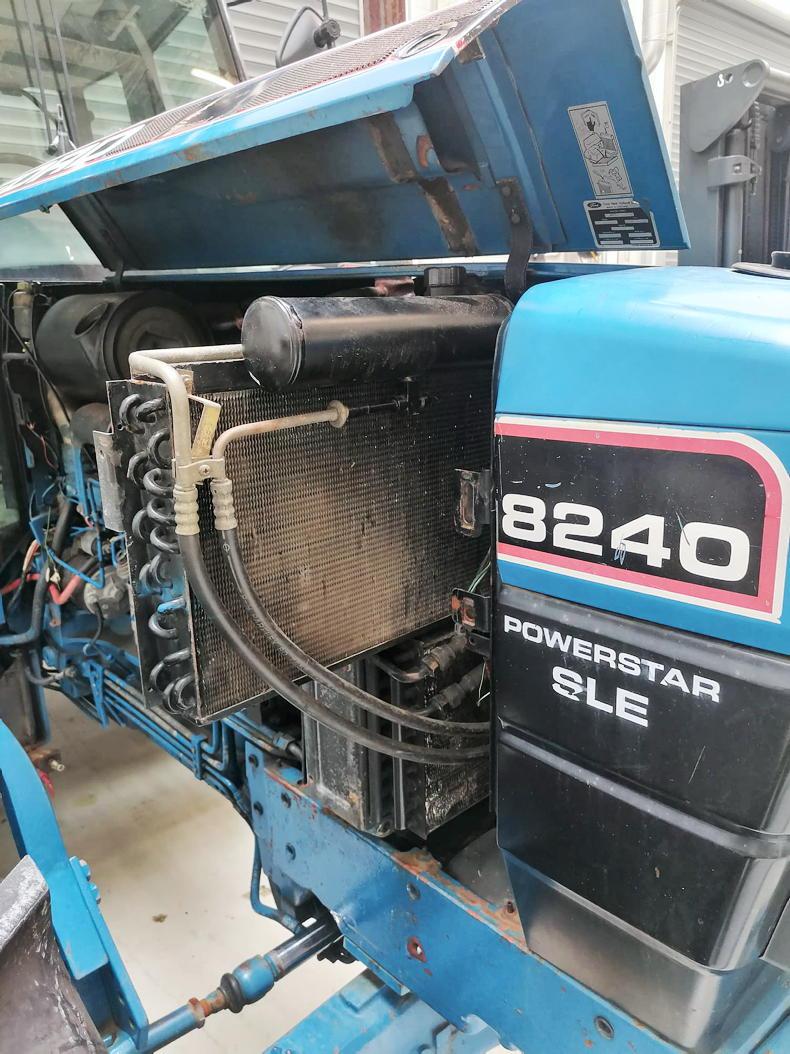
The condenser (looks like a radiator), located at the front of the tractor, should also be kept clean and free from dust, grass, chaff, insects and other debris as they can quickly restrict airflow through the condenser.
A condenser that appears only slightly dirty can have a significant impact on cooling performance, especially during slow-speed operations where airflow is already reduced. Air must be able to pass freely through the condenser so that the hot refrigerant can release heat and change from a high-pressure gas into a liquid. This heat exchange is fundamental to the operation of the AC system.
The refrigerant continuously changes state as it circulates around the closed loop system—from gas to liquid in the condenser and from liquid to gas inside the evaporator which will be located somewhere in the cab.
As the refrigerant evaporates, it absorbs heat from the cabin air before carrying it outside, providing the cooling effect that keeps operators comfortable.
Simply topping up the refrigerant should be viewed only as a temporary measure. A proper air conditioning service also includes replacing the compressor lubricant, typically a Polyalkylene Glycol (PAG) oil like PAG 46.
This synthetic oil deteriorates with age and use, therefore reducing its ability to lubricate the compressor effectively. If the lubricant is not renewed as part of routine servicing, compressor wear will accelerate, potentially leading to a costly compressor failure and a much more expensive repair bill.
The compressor drive system also requires attention during routine maintenance. On machines fitted with belt-driven compressors, the condition and tension of the compressor belt should be checked regularly.
A worn, loose or damaged belt can reduce compressor performance and may eventually lead to complete system failure.
Modern tractor air conditioning systems are also becoming increasingly sophisticated. Older systems may rely on a relatively simple electrical circuit containing switches, relays and fuses, while newer machines can have fully climate-controlled systems integrated into the tractor’s electronic architecture.
These systems may communicate through the tractor’s CAN bus network, meaning that fault diagnosis often requires specialist diagnostic equipment.
A trained technician is required to use specialist gauges to measure both the high-pressure and low-pressure sides of the system. These readings, combined with temperature checks and electronic diagnostics, help identify whether the issue is related to refrigerant charge, compressor operation, electrical faults, airflow problems or another component failure.
A healthy and correctly serviced air conditioning system should provide a significant temperature reduction compared with outside conditions. As a general guide, a well-performing system should be capable of reducing cabin air temperature by approximately 15–20°C under suitable operating conditions.
On a 28°C day, vent temperatures on a correctly functioning system may typically be in the region of 10–15°C, although results will vary depending on humidity, cab design, workload and system condition. A simple thermometer placed at the air vents can provide a useful indication of system performance.
The cost of maintaining an air conditioning system varies depending on the machine and the work required. A basic service may cost in the region of €250, although this will depend on refrigerant type, system size and labour rates. Many specialists have a call-out charge and then charge according to the quantity of refrigerant recovered and recharged after the system has been correctly evacuated and tested.
If faults are discovered, costs can increase significantly. For example, leak detection may involve the use of nitrogen pressure testing, ultraviolet dye or electronic leak detection equipment. Replacing hoses, seals or the receiver-drier can add further expense, while major component replacement, such as a compressor, could cost in the region of €500 plus VAT. The old saying “a stitch in time saves nine” is particularly relevant with agricultural air conditioning systems.
Regular servicing, correct refrigerant levels and attention to small issues before they develop into major failures will help protect the investment, reduce downtime and ensure the operator remains comfortable during the busiest periods of the farming year.
Poor AC warning signs include:


SHARING OPTIONS