An electric car or EV (electric vehicle) seems like a simple concept: you have a traction battery that captures energy when it is plugged into the grid, which then powers the car’s electric motor. This is the battery electric vehicle (BEV) or fully electric car. This concept is around as long as petrol cars, but other than for milk floats, electric power was not practically feasible until battery technology changed in the 1990s and 2000s.
But life isn’t simple; many in the car industry use the term ‘electrification’ to describe all sorts of drive-trains with electric components, including hybrids, rather than fully electric vehicles.
Many of these contribute little to reduced CO2 emissions and hybrid advertising contributes to the confusion, using terms like self-charging, etc. In the first of a series of articles addressing key questions about EVs, we will look at:
Why ‘full’ EVs (BEVs) must be strongly considered for any new purchases.Full EVs (BEVs) compared to hybrids, plug-in hybrids and petrol/diesel engines. Why do we need EVs
It’s simple, every time we use a petrol or diesel car we are using fossil fuels. This releases carbon as CO2 into the atmosphere, in a tiny fraction of the millions of years it took growing plants to capture it. This contributes to global warming which, whether we choose to bury our heads in the sand or not, is a real threat to our future existence on the planet.
Battery EVs source their energy from the electricity grid, that includes renewable sources such as wind, solar and hydro, or nuclear energy in other countries. In Ireland, night-time car charging generally aligns well with excess wind energy availability. Day-time charging is less beneficial as we still have a lot of electricity generated from fossil fuel feeding the grid at those times.
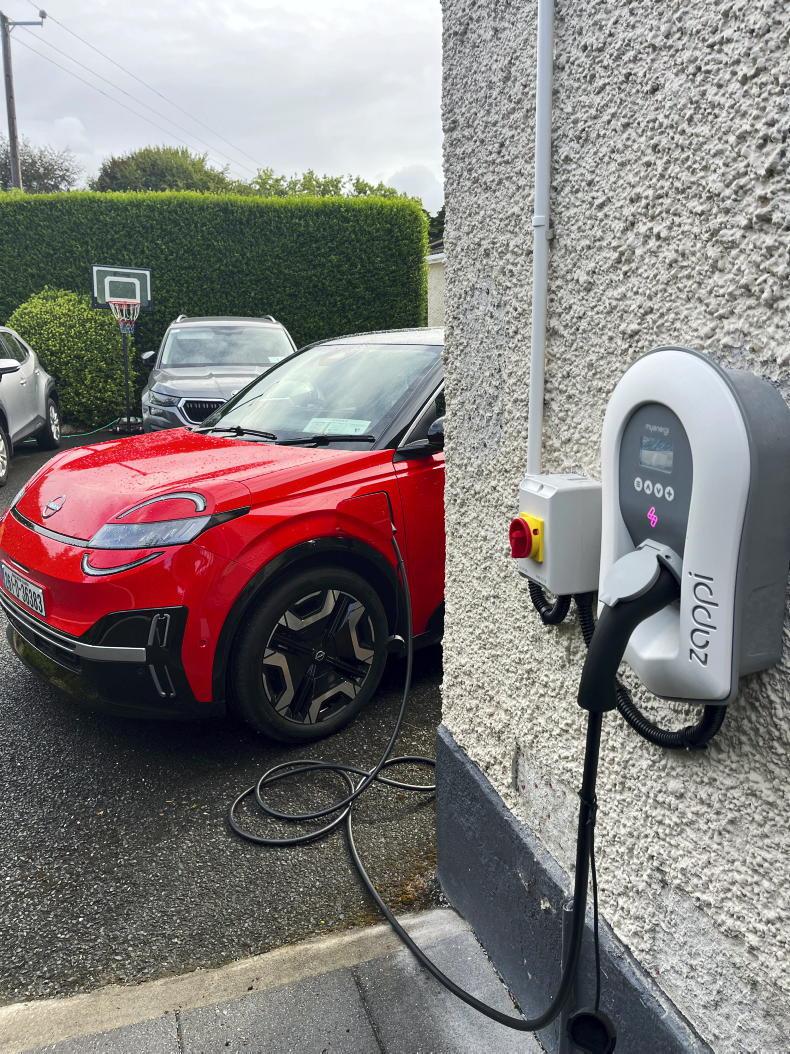
Where solar panels have been installed or where cheaper night rate electric is being availed off; these are two ways to hugely reduce the running costs associated with charging full EV’s or plug-in hybrids.
So when a new car is being considered, a move to full EVs is a no-brainer from a carbon emissions perspective. Additionally, EVs are very cheap to run, if you have access to domestic night-time charging. We will come back to cost aspects and selection of the right type of EV (battery capacity) in future articles.
Hybrids and battery power cars
Before we even consider a full EV, we need to know what an EV is and also the various hybrids, as there is a lot of confusion out there. So here are some of the main types and their characteristics.
1. Petrol and diesel cars: internal combustion engines (ICE)
Petrol and diesel cars convert refined fossil fuels into motive power using mechanically complex engines. While health-impacting emissions such as particulates (smoke), nitrous oxides and carbon monoxide can be controlled with emissions controls (DPF EGR, etc), the main product of combustion, CO2, which contributes to global warming, cannot be captured on the vehicle. ICE engines are not that efficient either, with at best 40% of the fuel energy used to generate motive power, with the rest lost as heat. Electric drive trains are much more efficient.ICE engines (without hybrid elements) cannot capture the energy lost as heat while the vehicle is slowing down. Key points
While diesel and petrol engine technology is mature, we need to get away from fossil fuel use. Alternatives are now available.ICEs also have efficiency challenges. 2. Fully electric (battery powered) EV or BEV
Common examples include: Nissan Leaf (various generations); all Tesla models; VW ID3, ID4, ID7 and Cupra/ Skoda equivalents; Kia EV and Hyundai Ionic ranges and now models from most existing and many new manufacturers.
The ‘full’ battery EV is the simplest to understand. Instead of a fuel tank, there is a battery that is plugged in to charge inexpensively at night via home chargers, or more expensively and quickly during the day, via fast chargers. Solar panels can supply energy to EVs too.The battery powers an electric motor, which can be quite powerful as power output in electric motors is relatively inexpensive. They drive like an automatic with no gear changing.With a large battery and motor which acts as a generator slowing down, electric cars can capture a large amount of the energy lost while braking.Key points
Depending on how our electric power is generated and when they are charged, BEVs contribute to reduced global warming in a way that no other current system, including hybrids, can come close to.Selecting the correct battery capacity (kWh) for your use pattern is essential.The user must become familiar with charging and factors affecting range, but this is not rocket science. 3. Full hybrid (HEV)
Common examples of full hybrid vehicles include all versions of the Toyota Prius since its introduction in the late 1990s. This system is now used on all petrol engine Toyotas marketed in Ireland.
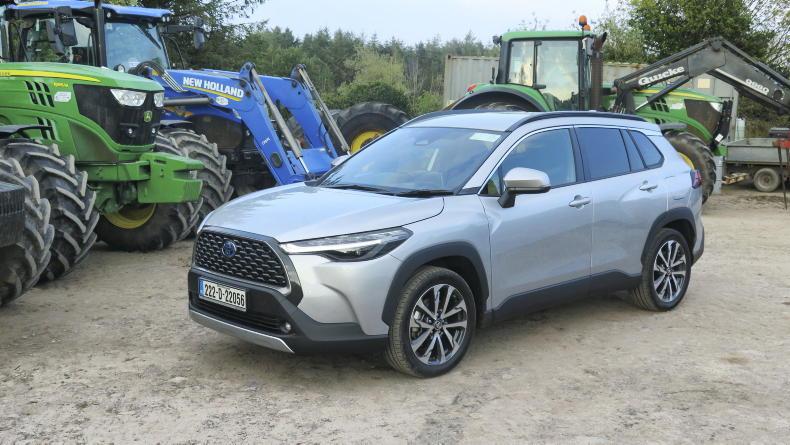
All Toyota petrol cars sold in Ireland now feature a mild hybrid drive system.
Many other makes such as Honda and Nissan also have full hybrid models, although some European manufacturers only make plug-in hybrids (PHEV).
A standard full hybrid combines a petrol (or diesel) engine, an electric motor and a small traction battery. Most have a transmission that allows power from both sources (engine or motor) to propel the car, although some use the electric motor only connected in series with the engine. Full hybrids typically use electric-only power for a limited amount of low-speed travel.All of a hybrid’s power or energy comes from its ICE engine burning petrol – there is no other energy source.The recapturing of braking energy and the ability to run the engine at a more constant load reduces fuel consumption in stop/start driving, typical of urban areas or very short rural journeys.Hybrids generally have little/no efficiency advantage at higher speeds on faster roads/motorways.Key points
The hybrid system improves the urban and stop/start driving efficiency of a petrol or diesel-powered car.While hybrids use electric elements in their powertrain, their impact on global warming is minimal compared to full EVs (BEVs), probably limited to an approximately 15% reduction in fuel consumption in stop/start type driving. 4. Mild hybrid (MHEV)
In an effort to improve efficiency, many modern petrol cars are now ‘mild’ hybrids.
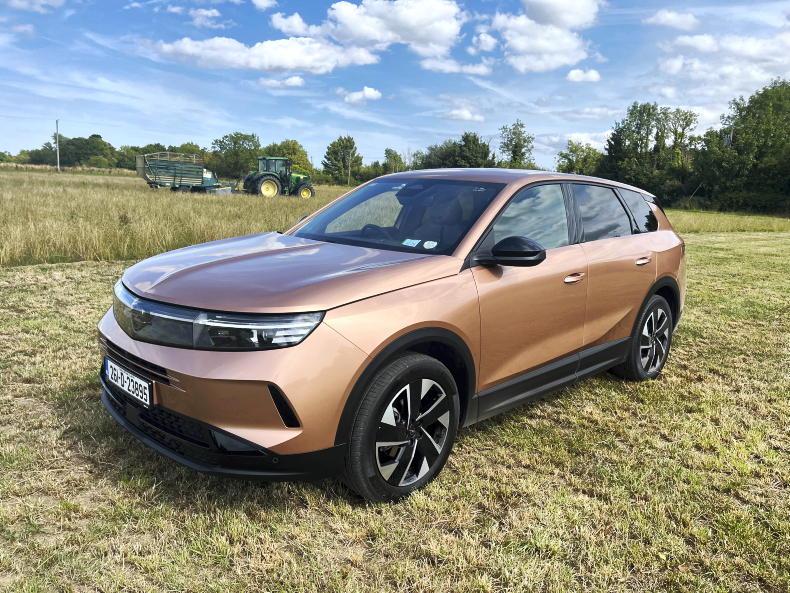
The mild hybrid is a simple system with limited energy capture capacity which can improve efficiency in stop/start type driving.
These also have a separate very small traction battery to capture braking energy, but it’s a much lower capacity system than full hybrids and the electric motor simply aids the car engine and cannot power the car on its own.
Key points:
The mild hybrid is a simple system with limited energy capture capacity, which can improve efficiency in stop/start type driving.As in full hybrids but more-so, the impact on carbon emissions and global warming is minimal compared to a full battery EV.5. Plug-in hybrid PHEV
The plug-in hybrid operates similarly to a full hybrid but has a larger traction battery that can be plugged in (typically at night) to charge from the grid.
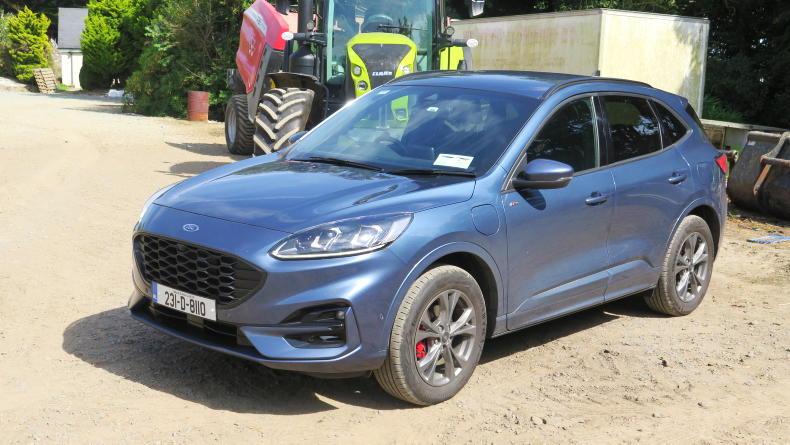
Plug-in hybrids have all of the complexity of both mechanical engines and electric drivetrains
While marketed as ‘the best of both worlds’, in practice there are shortcomings.
The traction battery can power the car on its own, but has a limited capacity with claimed ranges under electric power of 30 to 60km; but in practice, it may be as low as 50% of those values.The carbon benefits of these depends on what proportion of annual milage which is powered by the electricity taken from the grid.The combination of electric and mechanical power sources can give high peak power outputs and fast acceleration.Many users do not plug-in these units every night, in which case they are no better than a standard hybrid; indeed they may be worse as the extra weight of the unused traction battery just adds to fuel consumption.PHEVs have all of the complexity of both mechanical engines and electric drive trains; their long-term maintenance costs may reflect this.Key points
The contribution of PHEVs to reduced CO2 emissions, is dependent on the proportion of energy provided from the plug-in charge. In practice it can be effective if most journeys are short (less than the real battery range) and if the owner charges it every night.Considering the cost and complexity of PHEVs, and a limited battery range capacity, from a global warming perspective, they would not compete with full-battery EVs in the vast majority of situations.Finally
Reading the above, it can seem a bit of a mine-field, but it’s not really. In simple terms, to contribute to reduced global warming, the full battery EV (BEV) is by far the best of the options above and should be considered when buying a new car.
For sure it’s a change, but provided you specify the right car (range and battery capacity) and you have basic knowledge about charging, there is little disadvantage for most. Future articles will help guide the way.







SHARING OPTIONS