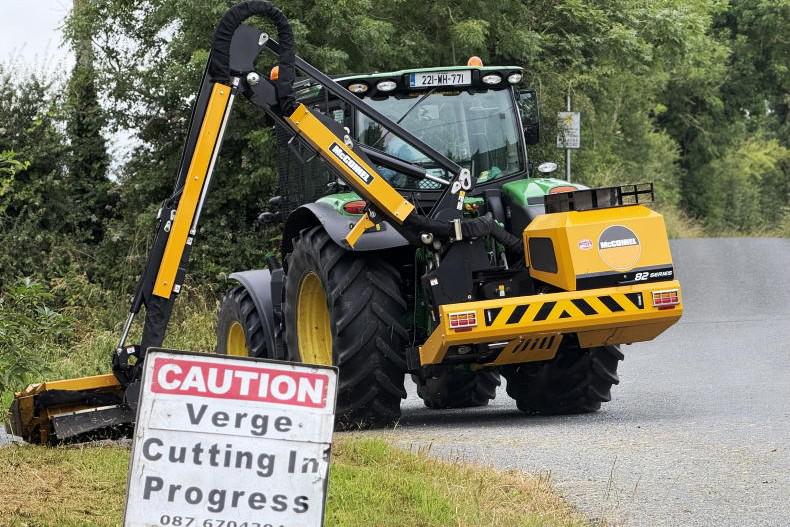
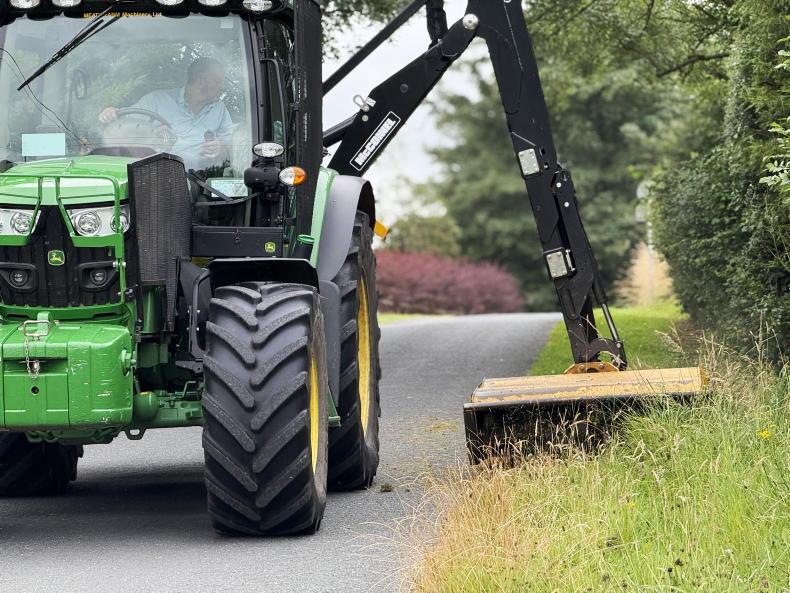
The hedge-cutting season remains closed until 1 September, which is just over one month away. Under Section 40 of the Wildlife Act 1976 the cutting, grubbing, burning or other destruction of “vegetation growing in any hedge or ditch” in this time frame is prohibited. However, hedges in fields or along roadsides can be cut all year round, whereby overgrowth poses a road safety hazard. Once open, the official cutting season will run until 28 February.
The provision in the legislation allows both landowners and public authorities to address hedges for road safety reasons at any time of the year. However, the burning of agricultural green waste remains banned indefinitely. When it comes to managing hedgerows, derogation farmers have three options:
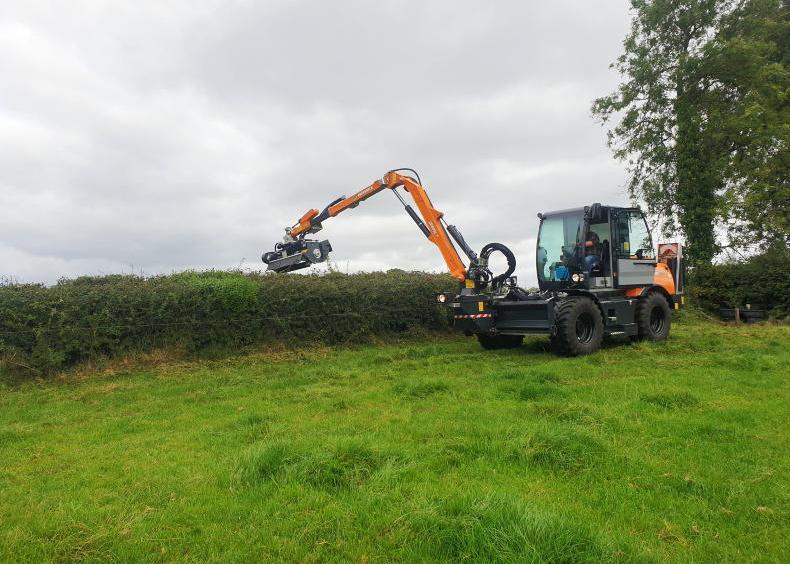
Leave a whitethorn or blackthorn tree to grow up every 300m and cut the remainder of the hedge on all three sides, if desired.Maintain hedgerows on a three-year cycle, cutting only one side of the hedge each year. Cut one-third of the hedges on the farm each year.Hedgerow management tips:
Only top hedges that have a good, thick base beneath them.A topped hedge should be maintained annually, with a light trimming of both the body and the top. This will allow it to continue to thicken up at the base and not allow leader branches to take over the hedge.Treeline hedgerows are designed to grow without the need for trimming. Combining both treeline and topped hedgerows on the farm is ideal, as it ensures that some areas remain undisturbed, providing continuous habitats and food sources for wildlife, even in the winter.Plant a variety of native species in hedgerows, such as whitethorn, blackthorn and hazel. This enhances biodiversity and provides a range of resources for different species.







SHARING OPTIONS