The world’s biggest oil refiners reported financial results at the end of October and they all had the same message – the global shortage of diesel is here to stay.
ExxonMobil, Chevron and BP reported combined profits of $33.8bn (€30.35bn) for the three months to the end of September as the oil majors benefited hugely from the outbreak of the conflict in the Middle East and Ukrainian attacks on Russian refineries.
While oil prices have increased significantly since the start of the year, it is diesel that has felt the brunt of the supply squeeze. Wholesale prices for the fuel are more than double the level seen in February, before the conflict in the Middle East broke out.
Despite the high prices for diesel, there is no sign of refiners increasing capacity in Europe and the US. Refining facilities are running at or close to maximum capacity but they cannot make up for supply lost from Russia and through the Strait of Hormuz.
Chevron’s chief financial officer said that the supply of diesel was getting tighter and that the current conditions will persist “through to the end of this year and [into] next year”.
ExxonMobil and Chevron have both said they have no plans to expand global production beyond what they had previously committed to. The long timescale for the delivery of new capacity means that investment decisions have to be based on “long-term fundamentals” rather than short-term market disruptions, Chevron’s CFO said.
Oil companies in Europe and the US are making huge amounts of money from turning crude oil into petrol and diesel.
The difference between the price of a barrel of oil and the price of the refined products produced from it, known in the industry as the “crack spread”, rose to more than $70 a barrel in September and is currently more than 250% above the February level.
Oil companies have decided to give those extra profits back to their shareholders. Exxon, Shell, TotalEnergies, Eni and Repsol all announced increased shareholder payouts this month, either as higher dividends or larger share buybacks.
Adding to the problems with refinery capacity are the soaring costs of transporting crude oil and refined products around the world by ship.
No let-up for farmers
In September, the cost of hiring the largest oil tankers topped €1m per day, a 20-fold increase from the start of the year, when day rates were closer to €50,000.
Financial media company Bloomberg reported that hiring a tanker to cross the Pacific from the US to China cost €72m, more than the €66m cost of launching a rocket into space.
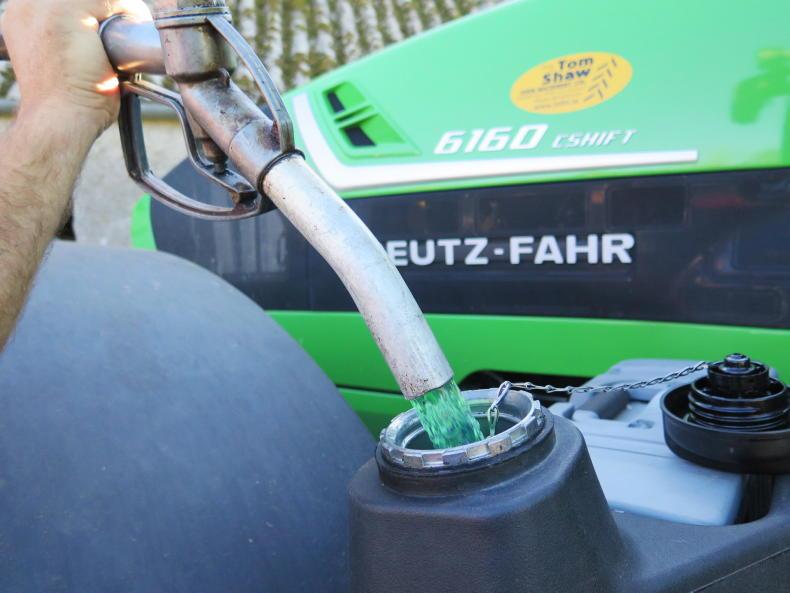
Taking all this back to the price of diesel for farmers and contractors in Ireland, the message seems to be very clear. There is no sign of a drop in diesel prices on the horizon. The Government announced in the budget that the current reductions in excise duty have been extended through to the end of February next year and that planned carbon tax increases have also been deferred until 2027.
Without a major change to the geopolitical situation, both in Russia and the Middle East, it seems very likely that those cuts will need to be extended again at the end of February.